
Red Light Therapy at Home: The Complete Guide to Benefits, Devices, and Results
Red light therapy at home has quickly become one of the most popular wellness trends—and for good reason. Once limited to clinics and dermatology offices, this non-invasive treatment is now accessible with powerful home devices that target skin health, pain relief, recovery, and overall wellbeing.



But does it actually work? And more importantly, how do you use it properly at home?
This guide breaks down everything you need to know, from the science behind red light therapy to choosing the right device and using it safely.
What Is Red Light Therapy?
Red light therapy (RLT), also known as photobiomodulation, uses low levels of red and near-infrared light to stimulate your cells. These wavelengths penetrate the skin and help improve cellular function, especially in the mitochondria, the “powerhouse” of your cells.
When your cells produce more energy, they can repair themselves more efficiently, leading to a wide range of potential benefits including skin rejuvenation, reduced inflammation, and improved healing.
Unlike UV light, red light therapy does not damage the skin or increase cancer risk, making it a safer option for consistent at-home use when done correctly.
Benefits of Red Light Therapy at Home
1. Skin Health and Anti-Aging
Red light therapy is widely used for improving skin tone and reducing visible signs of aging. It can stimulate collagen production, which helps improve elasticity and reduce wrinkles and fine lines.
It’s also used for acne, scars, and sun damage, making it a versatile addition to any skincare routine.
2. Pain Relief and Muscle Recovery
Many users turn to red light therapy for relief from joint pain, muscle soreness, and inflammation. It can improve circulation and reduce inflammatory markers, helping the body recover faster.
This makes it especially popular among athletes and people with chronic pain conditions.
3. Improved Recovery and Healing
Red light therapy may accelerate wound healing and tissue repair by boosting cellular activity and blood flow.
4. Convenience and Cost Savings
One of the biggest advantages of doing red light therapy at home is convenience. Instead of booking expensive sessions at clinics or spas, you can use your device daily at your own pace.
Reddit users often highlight the cost savings:
“Throwing a few thousand dollars… vs a home device… my best deal of the year.”
Best Red Light Therapy Devices for Home Use
Here are some high-quality options you can integrate into your routine through Versaly:
Full Body & Recovery Mats
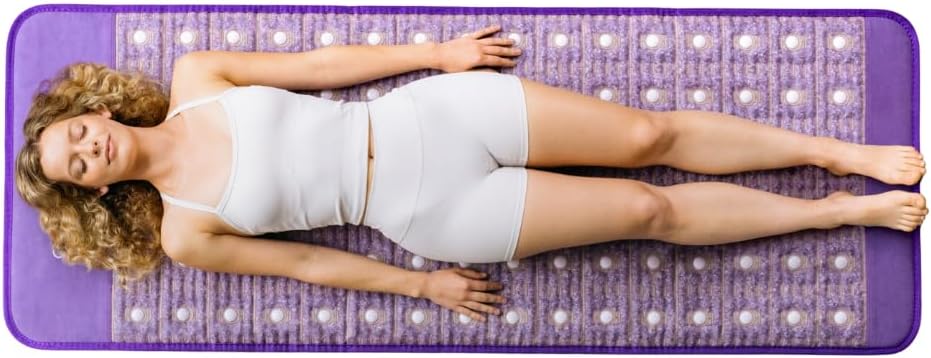
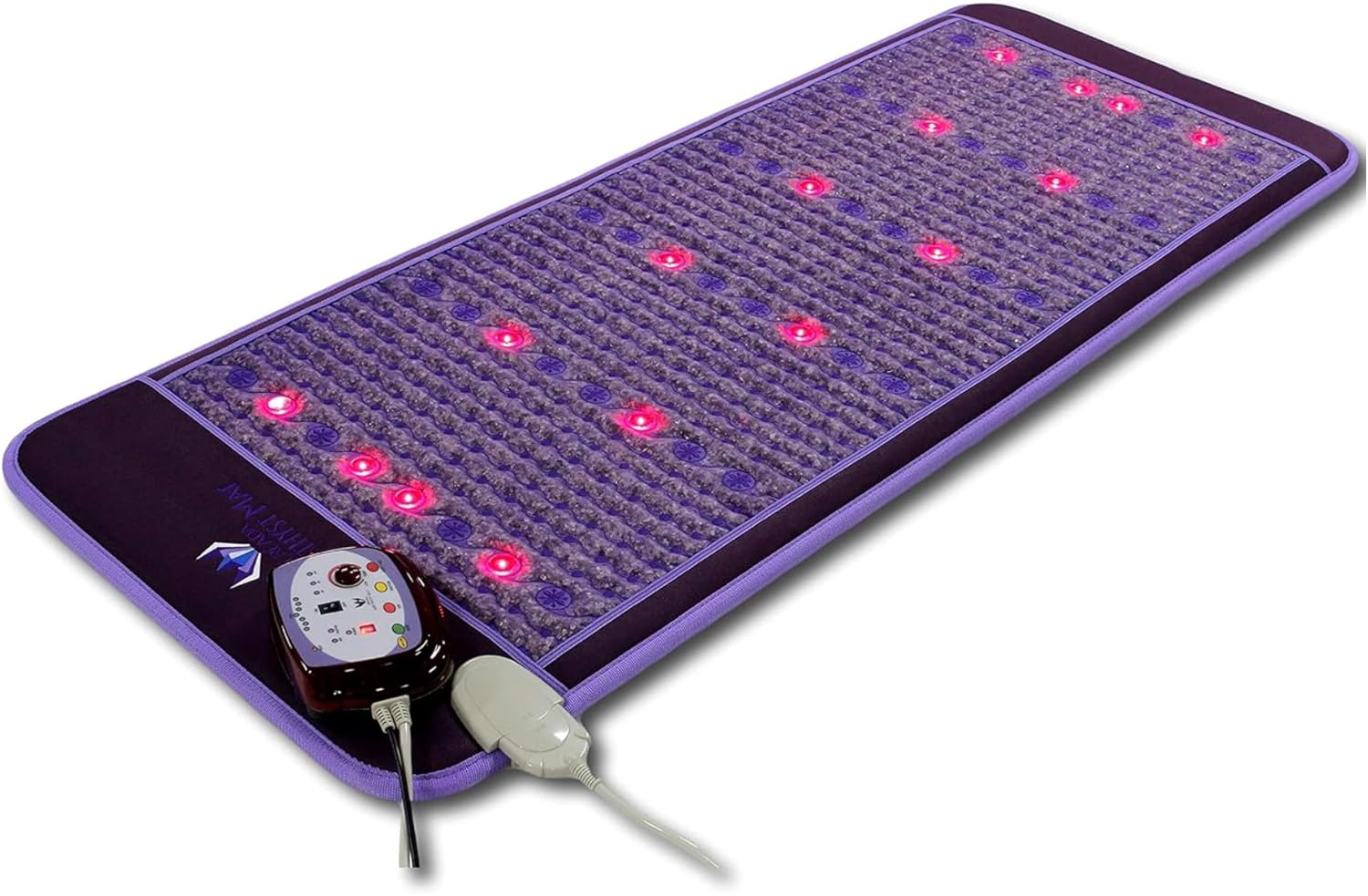
- Lovank Full Body Red Light Therapy Mat
- Sparkle Biomat Infrared Crystal Therapy Mat
- Ereada Infrared Amethyst Therapy Mat
These are ideal if you want full-body exposure, relaxation, and recovery. They combine red light with infrared heat for deeper penetration and comfort.
High-Power Red Light Panels
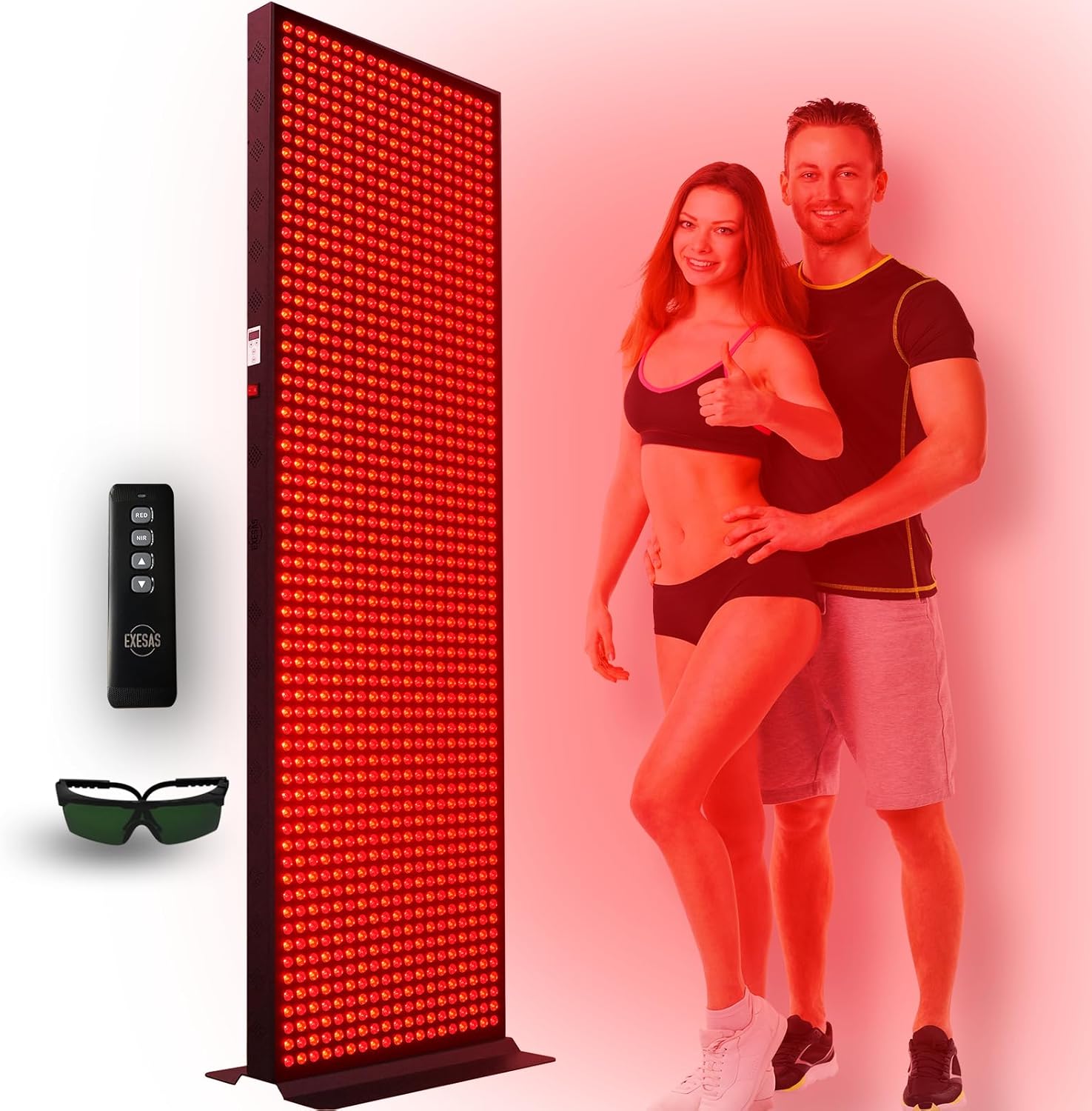
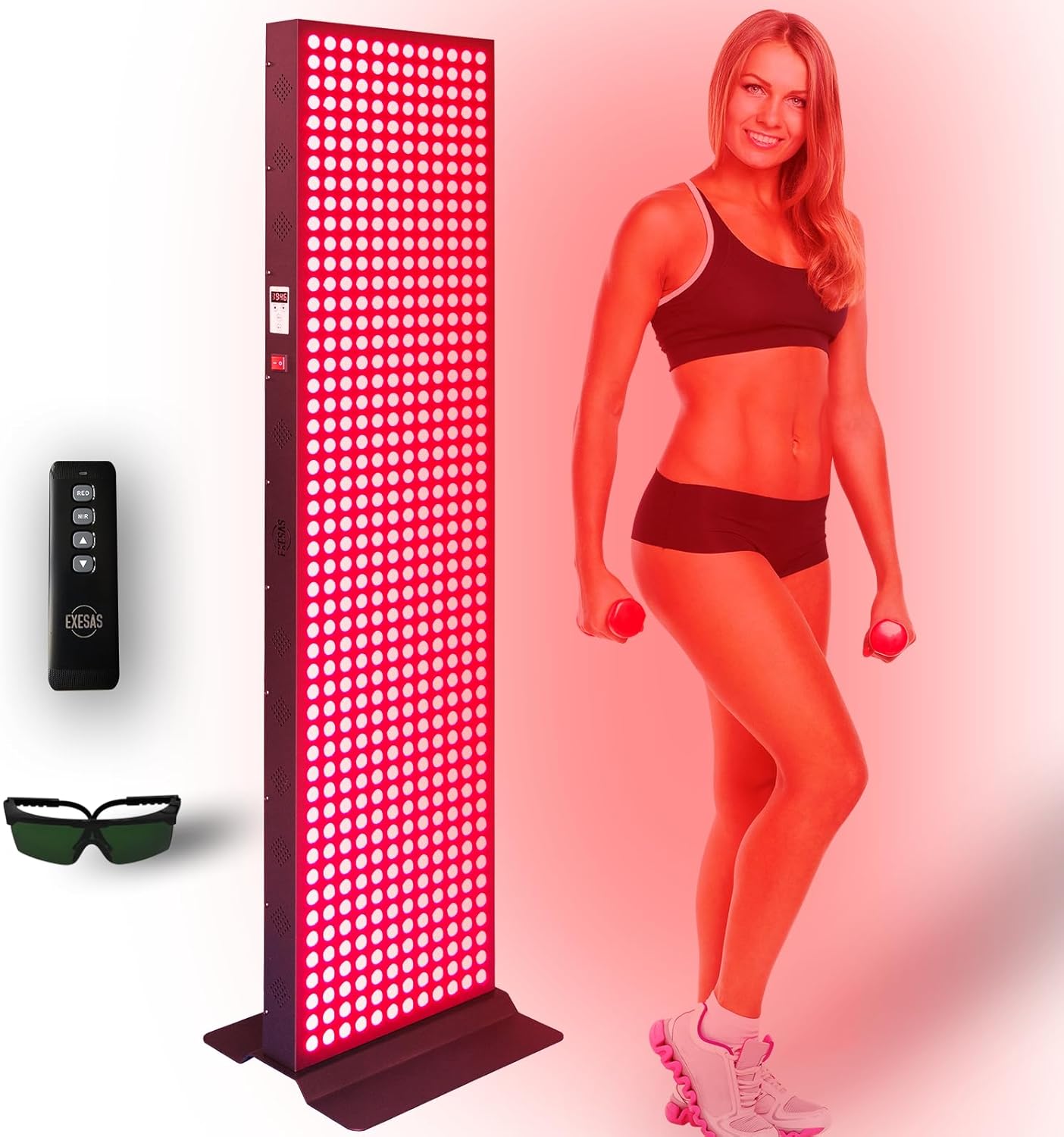
- Exesas 1620 Watt Red Light Therapy Panel
- Exesas 6080 Pro Red Light Therapy Panel
- Exesas 3000 Watt Red Light Therapy Panel
- Exesas 4000 Watt Red Light Therapy Panel
Panels are best for targeted therapy and stronger intensity. They’re commonly used for muscle recovery, skin treatments, and performance optimization.
How to Use Red Light Therapy at Home
Consistency matters more than intensity.
Most at-home users follow a simple routine:
- 10 to 20 minutes per area
- 3 to 5 times per week
- Keep a consistent schedule
“Consistency is more important than session length.”
Start with shorter sessions and gradually increase as your body adapts.
Are At-Home Devices Effective?
Yes, but with realistic expectations.
At-home devices are generally less powerful than professional machines, which means:
- Results may take longer
- Consistency is critical
- Device quality matters
Experts agree that while results are promising, more large-scale studies are still needed to confirm all benefits.
Safety Tips for Red Light Therapy at Home
Red light therapy is considered safe when used properly, but there are a few key precautions:
- Always protect your eyes
- Follow device instructions carefully
- Avoid overuse
- Consult a professional if you have medical conditions
Improper use can lead to irritation, burns, or eye damage in rare cases.
Who Should Use Red Light Therapy?
Red light therapy at home is ideal for:
- People looking to improve skin quality
- Athletes and fitness enthusiasts
- Individuals with chronic pain or inflammation
- Anyone wanting a non-invasive wellness tool
However, it may not be suitable for everyone. People with sensitive skin, certain medical conditions, or those taking photosensitive medications should consult a professional first.
Final Thoughts
Red light therapy at home is one of the most accessible and versatile wellness tools and spa equipment available today. While it’s not a miracle cure, it offers real potential benefits when used consistently and correctly.
The key is choosing a high-quality device, setting realistic expectations, and building it into your routine.
Whether you’re focused on skin, recovery, or overall wellbeing, investing in the right setup can save you time, money, and repeated clinic visits.
FAQ: Red Light Therapy at Home
- Does red light therapy at home really work?
It can help with skin health, inflammation, and pain relief, but results vary and more research is still needed for many claims.
- How long does it take to see results?
Some users notice improvements in a few weeks, but most benefits appear after consistent use over several weeks to months.
- Is red light therapy safe?
Yes, it is generally safe when used correctly, but improper use can cause irritation or eye damage.
- Can I use red light therapy every day?
You can, but most experts recommend 3 to 5 times per week to start.
- What’s better: red light mat or panel?
- Mats: best for full-body relaxation and recovery
- Panels: best for targeted, high-intensity treatment
- Do I need eye protection?
Yes. Even though it’s safer than lasers, protecting your eyes is strongly recommended.
- Is red light therapy FDA approved?
Most devices are FDA-cleared for safety, not approved for treating specific conditions