
Recovery is one of the most important and often overlooked. Parts of any fitness routine. Training creates stress on muscles, joints, and connective tissue. Proper recovery allows the body to repair itself, adapt to training loads, and continue progressing safely.



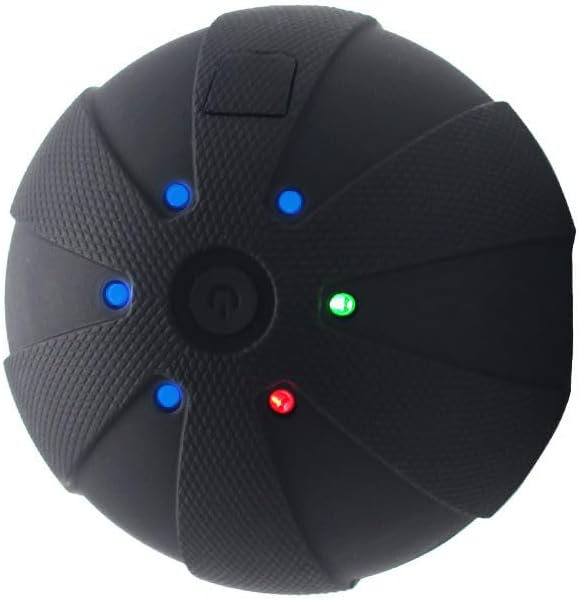


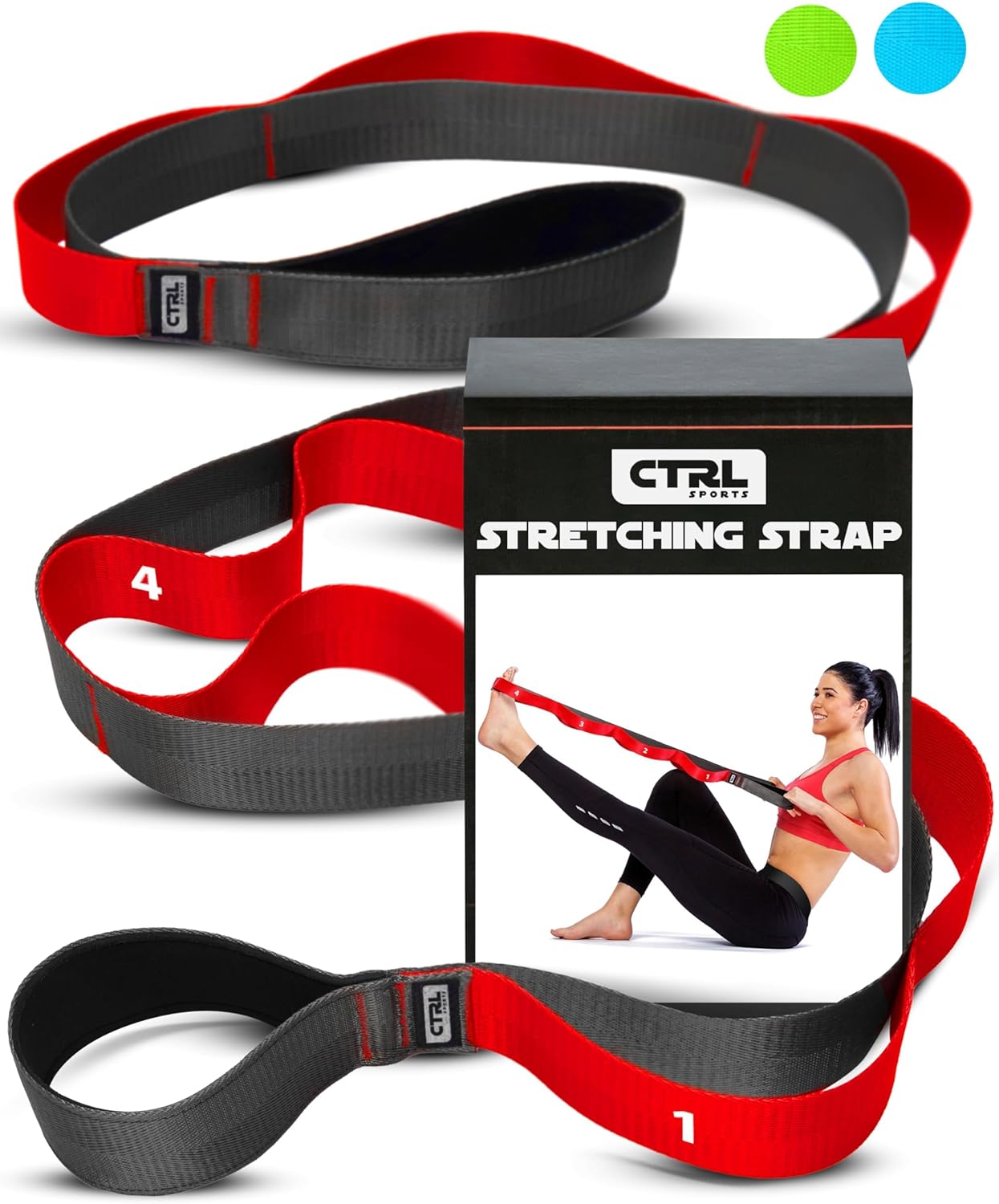


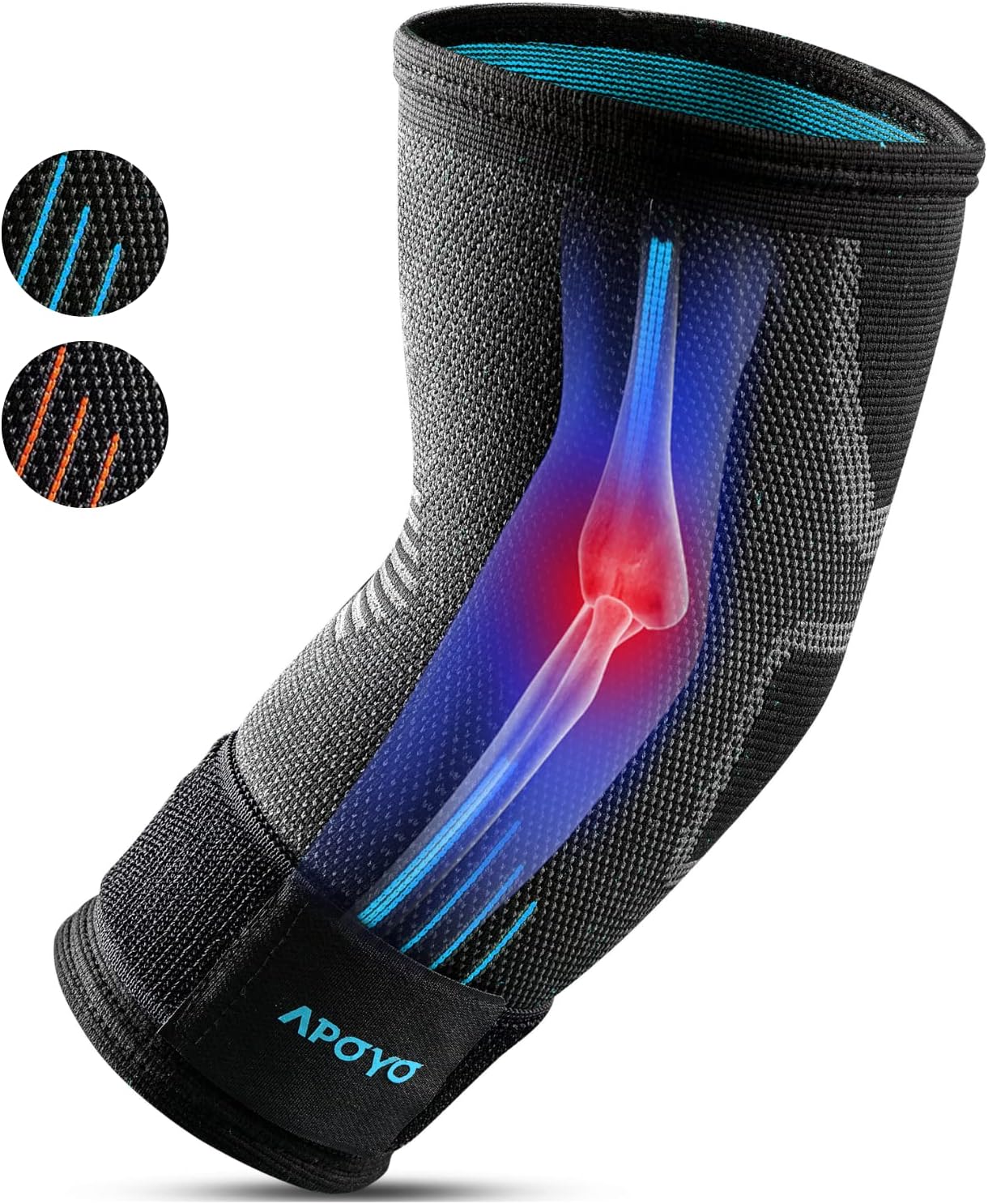


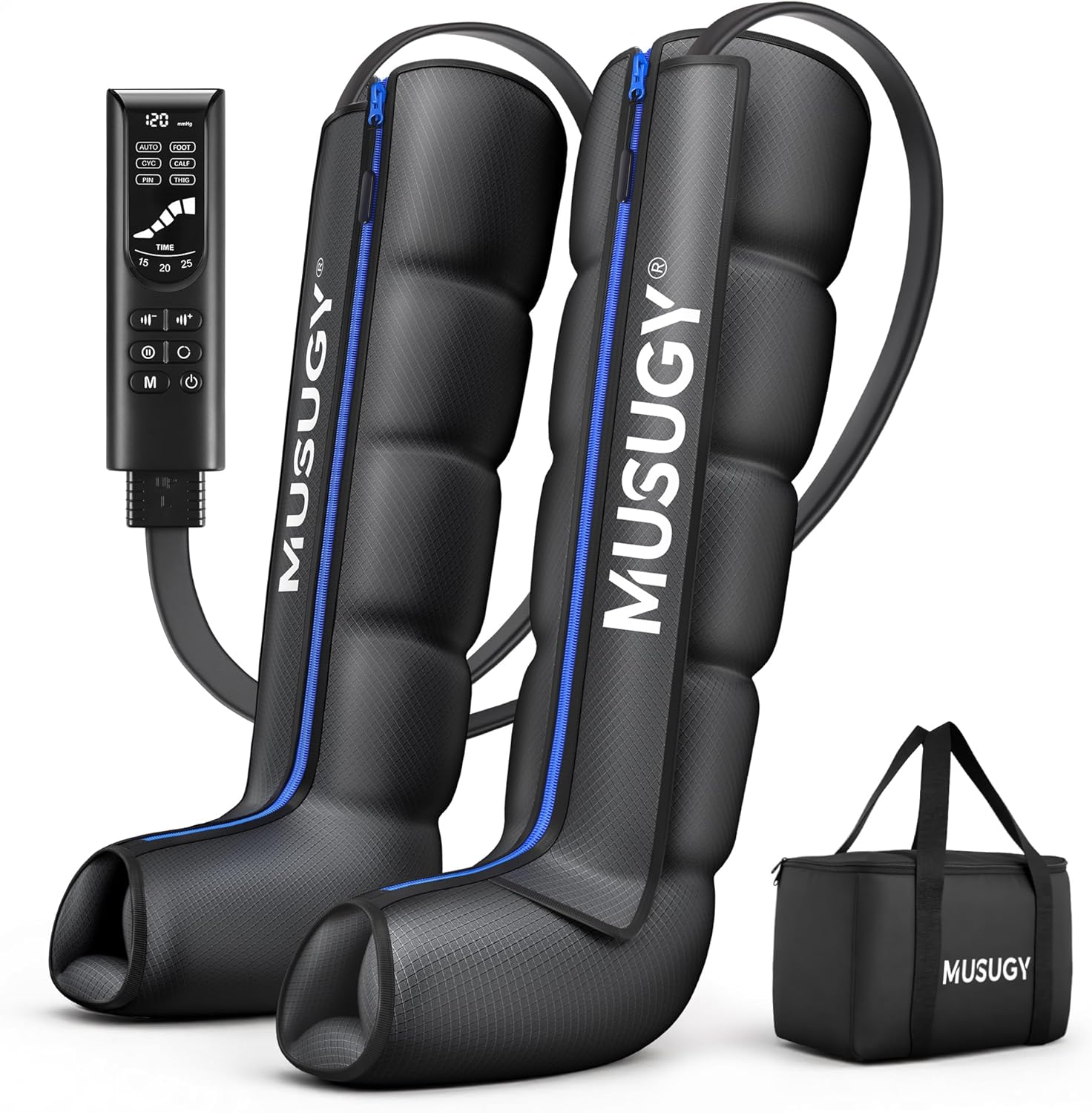





Modern recovery equipment makes it possible to bring professional-level therapy into the home. Compression systems, heat and cold therapy devices, and massage tools help reduce soreness, improve circulation, and shorten downtime between workouts. Whether you train daily or only a few times per week, recovery tools support long-term consistency and injury prevention.
Why Recovery Equipment Matters
Recovery equipment is designed to support the body’s natural repair process. After intense exercise, muscles experience microtears and inflammation. Without proper recovery, fatigue accumulates and performance declines.
Quality recovery tools help by:
- Increasing blood flow
- Reducing muscle stiffness
- Managing inflammation
- Improving flexibility
- Supporting joint comfort
- Enhancing sleep quality
These benefits are especially important for:
- Strength training programs
- Running and treadmill workouts
- HIIT and functional fitness
- High-volume weekly training
- Older athletes and rehab users
By integrating recovery into your routine, you can train more often with less discomfort and lower risk of overuse injuries.
Compression Therapy Systems
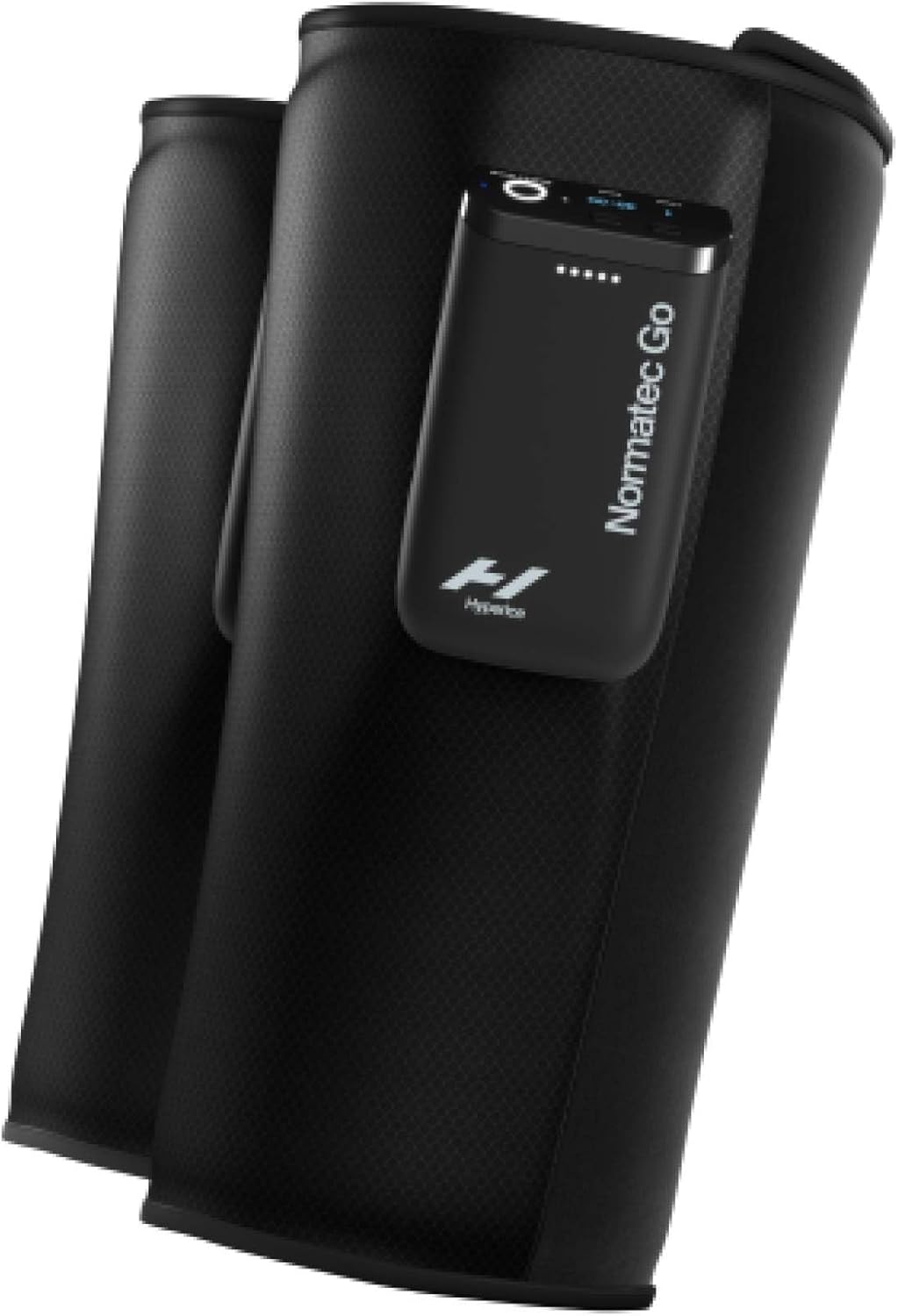
Compression therapy is one of the most popular categories in modern recovery equipment. These systems use sequential air pressure to massage the muscles and improve circulation.
Well-known compression recovery products include:
- Hyperice Normatec 3
- Hyperice Normatec Elite (legs, hips, lower back)
- Hyperice Normatec Go Calf System
- FIT KING Cordless Compression Massagers
- Musugy Sequential Compression Boots
- QUINEAR Cordless Compression Recovery Boots
Compression systems are commonly used by:
- Runners and cyclists
- Strength athletes
- Cross-training programs
- Physical therapy clinics
- Home gym users
They are especially effective after leg workouts and long cardio sessions.
Heat and Cold Therapy
Heat and cold therapy play different but complementary roles in recovery. Heat increases blood flow and relaxes tight muscles, while cold helps reduce swelling and dull pain signals.
Popular hot and cold therapy products include:
- Hyperice Venom 2 Heated Wrap
- Hyperice X Knee Therapy System
- RENPHO Thermacool Massage Gun
- NatraCure Hot or Cold Shoulder Wrap
Heat therapy is ideal for:
- Muscle stiffness
- Chronic tightness
- Lower back discomfort
- Warm-up preparation
Cold therapy is commonly used for:
- Swelling
- Acute soreness
- Joint irritation
- Post-workout inflammation
Many modern devices combine both temperature therapy and vibration or percussion for deeper muscle relief.
Massage and Percussion Devices
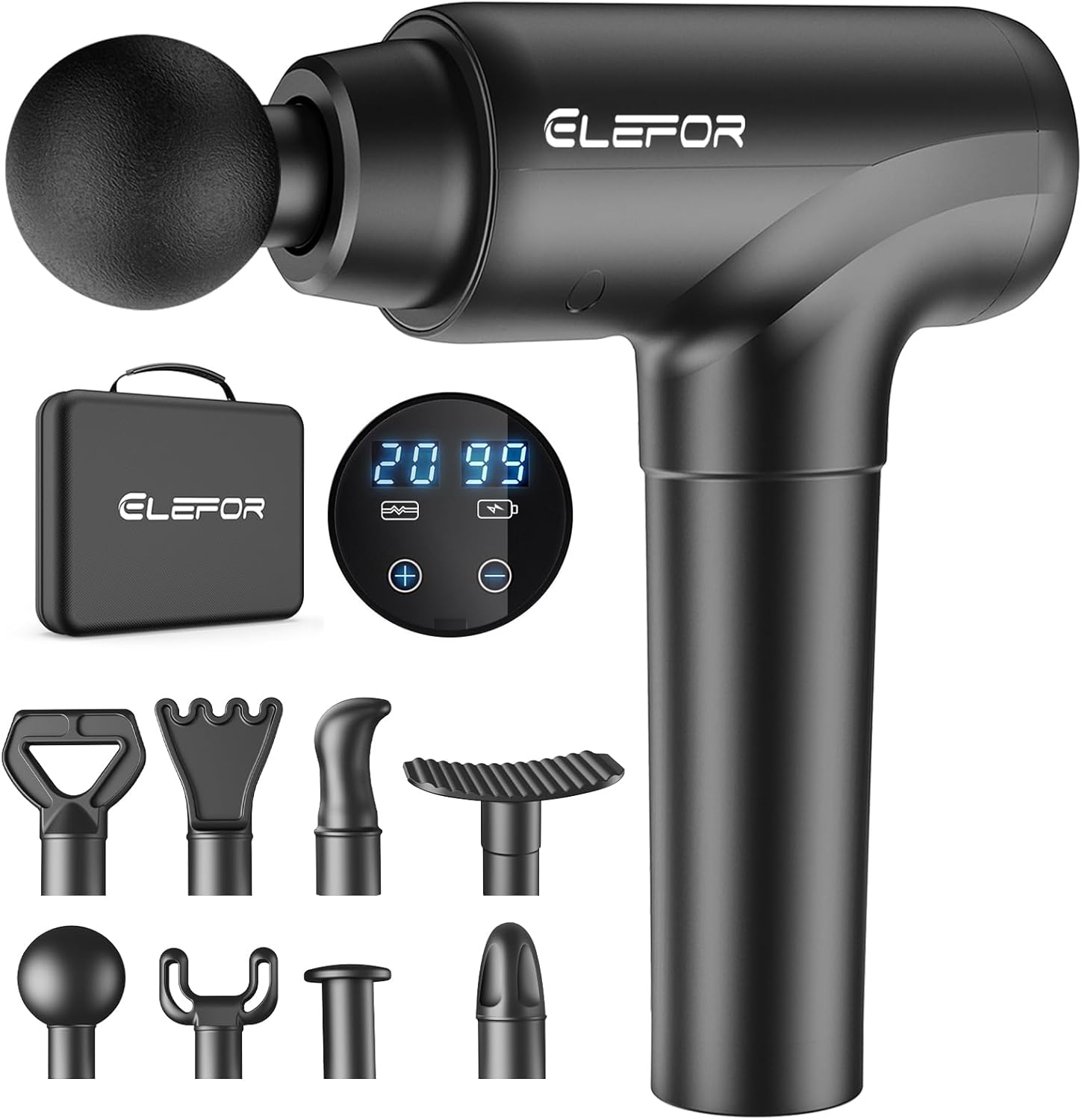
Massage guns and vibrating therapy tools help stimulate muscle tissue and improve mobility. These devices target trigger points and promote relaxation in heavily used muscle groups.
Percussion therapy is useful for:
- Quads and hamstrings
- Calves and feet
- Upper back and shoulders
- Glutes and hips
Massage tools are often used before workouts to activate muscles and after workouts to reduce stiffness.
Who Should Use Recovery Equipment?
Recovery equipment benefits a wide range of users, including:
- Home gym owners
- Athletes and sports teams
- Office workers with tight muscles
- Physical therapy patients
- Older adults maintaining mobility
- Anyone training multiple days per week
Even light recreational exercise can create muscle fatigue. Recovery tools make it easier to stay active without accumulating excessive soreness.
Recovery Equipment for Home Gyms
Modern recovery devices are compact, quiet, and easy to use. Many are cordless and portable, making them suitable for:
- Bedrooms
- Living rooms
- Home gyms
- Travel use
Adding recovery equipment to a home gym setup creates a more complete training environment. Instead of focusing only on exercise, users can support the full cycle of training, recovery, and adaptation.
A balanced home gym often includes:
- Strength equipment
- Cardio machines
- Stretching space
- Recovery tools
This approach improves long-term adherence and overall comfort.
Choosing the Right Recovery Tools
When selecting recovery equipment, consider:
- The muscle groups you train most
- Available space
- Portability needs
- Heat or cold therapy preference
- Budget and frequency of use
Compression boots are ideal for leg-focused training programs. Heated wraps work well for back and shoulder tension. Massage guns offer flexible full-body use.
Some users combine multiple tools for different recovery needs throughout the week.
Long-Term Benefits of Recovery Training
Consistent recovery helps:
- Maintain joint health
- Improve mobility
- Support higher training volume
- Reduce chronic soreness
- Improve workout quality
- Encourage daily movement
Rather than being a luxury, recovery equipment is increasingly viewed as a performance tool and preventative investment.
Final Thoughts
Recovery equipment has become an essential part of modern fitness. Compression therapy systems, heat and cold therapy wraps, and massage tools allow users to recover faster and train more consistently.
Brands such as Hyperice, FIT KING, Musugy, QUINEAR, RENPHO, and NatraCure offer recovery solutions designed for home use and professional environments alike.
By integrating recovery tools into your routine, you support long-term progress, reduce discomfort, and create a more sustainable approach to fitness.