


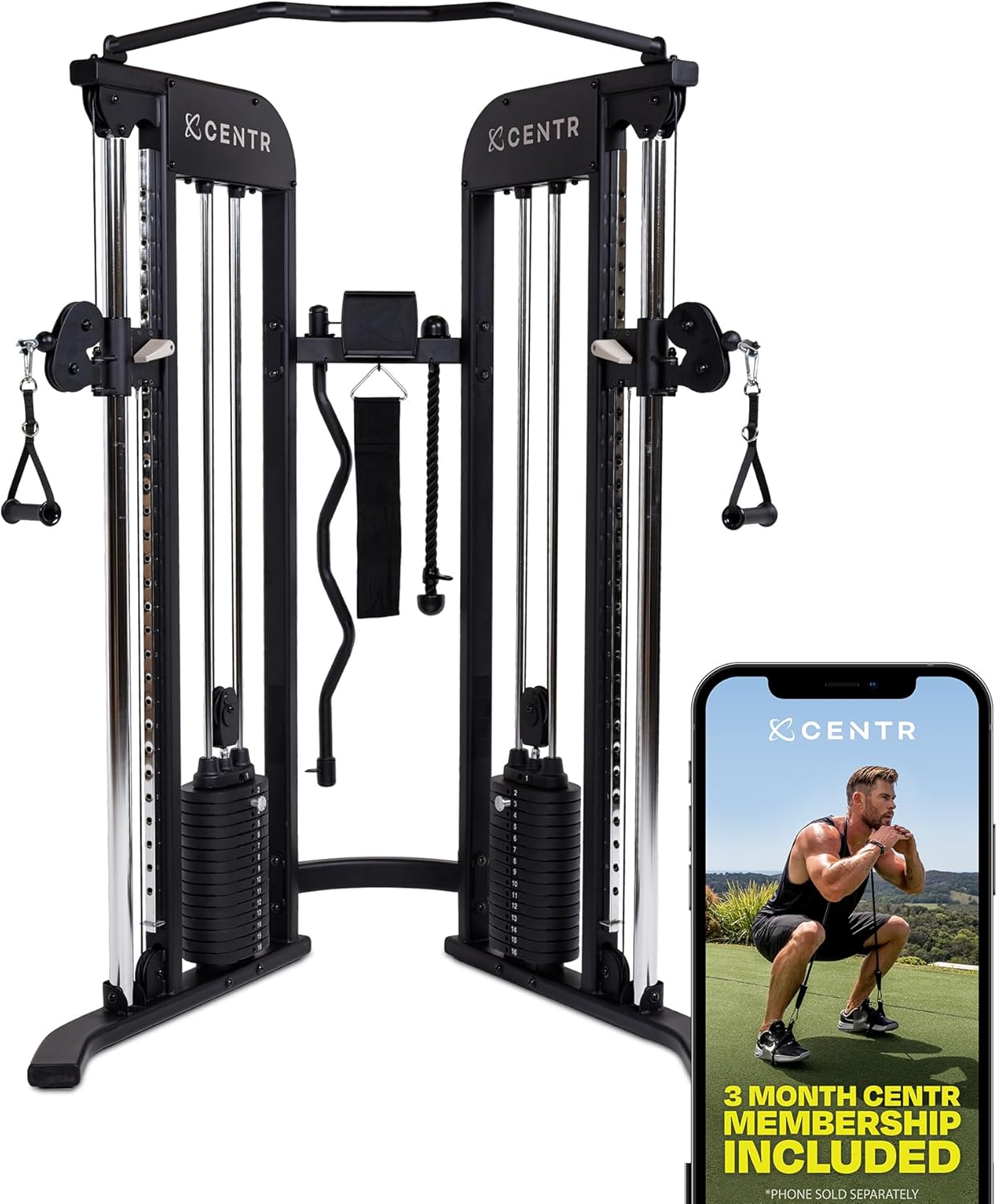


Functional trainers are one of the most versatile pieces of equipment for home gyms and small commercial setups. Combining multiple exercise options into a single compact machine, these systems allow you to perform strength training, functional movements, and rehabilitation exercises all in one unit. Whether you are a beginner looking to build general strength or an advanced athlete seeking a full-body workout, a functional trainer can provide the flexibility and efficiency that traditional weight stacks and standalone machines cannot.
One of the key benefits of functional trainers is their ability to support multi-directional movement patterns. Unlike standard machines that isolate a single muscle group, functional trainers use cables and adjustable pulleys that allow you to work muscles through a full range of motion. This promotes better balance, coordination, and functional strength, which translates into everyday activities and sports performance. Many home fitness enthusiasts appreciate that these machines offer a complete upper-body, lower-body, and core workout without taking up the footprint of multiple separate machines.
When selecting a functional trainer, there are several features to consider. Adjustable pulleys and height options are critical to performing a wide range of exercises, from chest presses and rows to cable squats and rotational movements. Machines with dual weight stacks or resistance levels allow you to train both arms simultaneously with equal load, which is important for balanced strength development. Some high-end models also include smart features, such as digital tracking, connected apps, or guided workouts, providing additional motivation and progress tracking for home users.
Space and portability are important factors if you plan to use a functional trainer in a smaller area. Many modern units are compact or foldable, making them ideal for apartments or home gyms with limited space. Despite their compact size, they often include multiple attachments like handles, ropes, bars, and ankle straps, enabling a wide variety of exercises. Look for machines with sturdy frames, solid construction, and durable cables to ensure long-term reliability and safe operation.
Functional trainers are not only ideal for home gym enthusiasts but also for light commercial settings such as boutique studios or small personal training facilities. Their versatility allows trainers to offer clients a wide range of strength and functional exercises without needing to dedicate floor space to multiple pieces of equipment. Many commercial-grade functional trainers come with larger weight stacks, enhanced stability, and robust construction to withstand frequent use while maintaining smooth and safe performance.
When shopping for the best functional trainers, consider the exercises you want to perform most often. Popular movements include chest presses, lat pulldowns, rows, bicep curls, triceps extensions, cable rotations, and core stabilization exercises. Machines that allow for both unilateral and bilateral training give you more flexibility to correct muscle imbalances or focus on one side of the body at a time. Additionally, check for safety features such as secure locking pins, smooth cable motion, and non-slip platforms, especially if the machine will be used by multiple users or in a home with family members.
Another important factor is resistance type. Traditional functional trainers use stacked weights, but some modern models offer magnetic or hydraulic resistance for quieter operation and smoother motion. Consider your training style and noise tolerance when choosing between mechanical and electronic resistance systems. Also, pay attention to the machine’s weight capacity, as higher-capacity machines are better suited for heavier individuals or advanced strength training.
Many functional trainers also include attachments for advanced functional training. Rope handles, short bars, long bars, ankle straps, and even pulley extensions enable a variety of exercises targeting different muscle groups. Users who want to integrate bodyweight exercises or TRX-style movements can often anchor resistance bands directly to the machine. This flexibility ensures that the equipment can grow with your training routine over time.
Investing in a functional trainer is a decision that can save space, reduce clutter, and provide a comprehensive training solution. Instead of purchasing multiple standalone machines, you can rely on a single high-quality functional trainer to cover your strength and functional fitness needs. With proper maintenance and care, these machines offer years of consistent use, helping you achieve your fitness goals at home or in a small commercial setting.
Browse the curated selection of the best functional trainers below to compare features, pricing, and specifications. Each product in this category has been carefully tagged to show only the machines designed for home and light commercial use. By reviewing the options side by side, you can easily identify which functional trainer best matches your space, training preferences, and budget. Versaly makes it easy to research and compare equipment before making a purchase, saving time and ensuring you invest in the right machine for your needs.