
Ellipticals – Compare Low-Impact Cardio Machines for Home & Training
Elliptical machines are a popular choice for users seeking an effective cardiovascular workout with reduced impact on the joints.



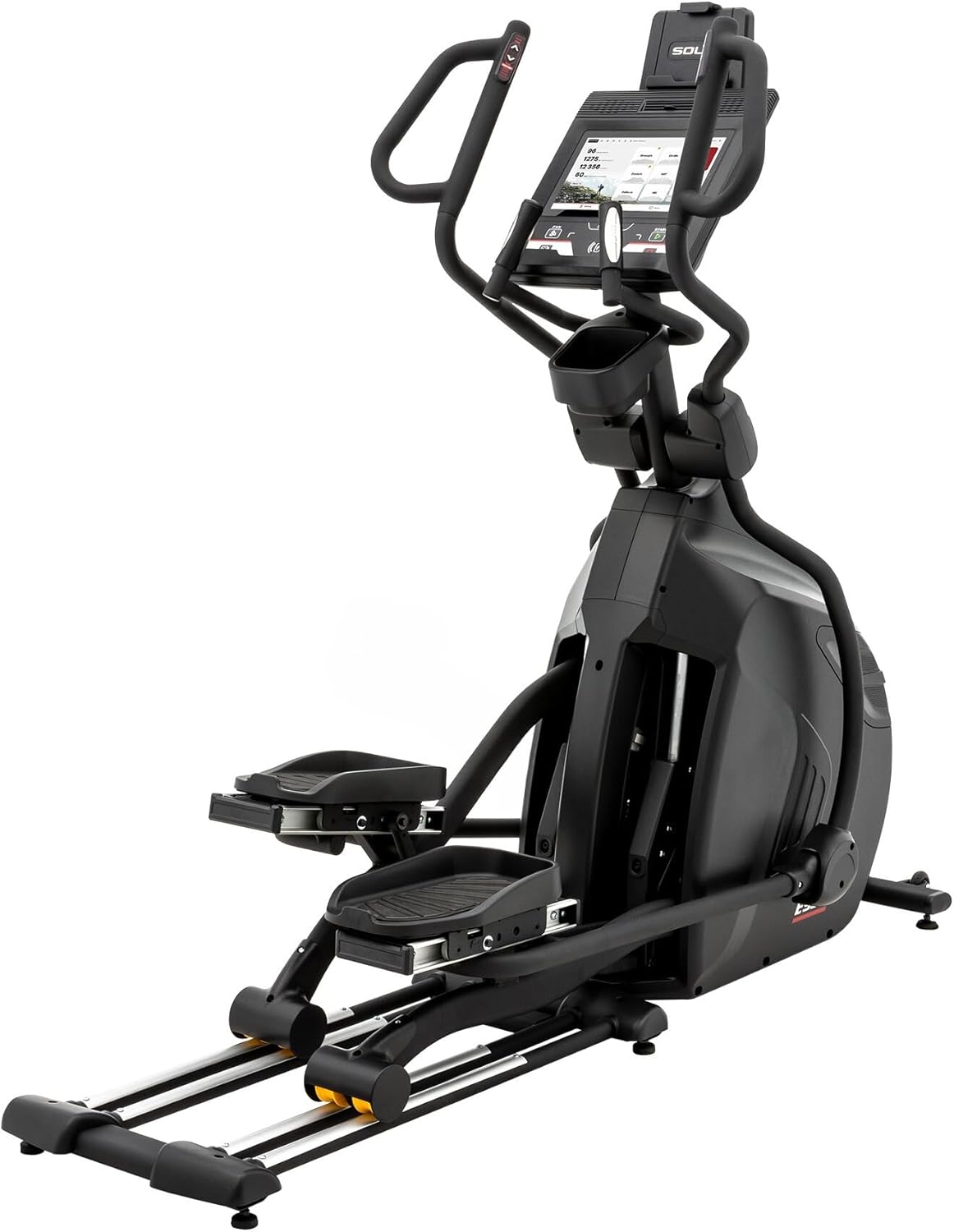

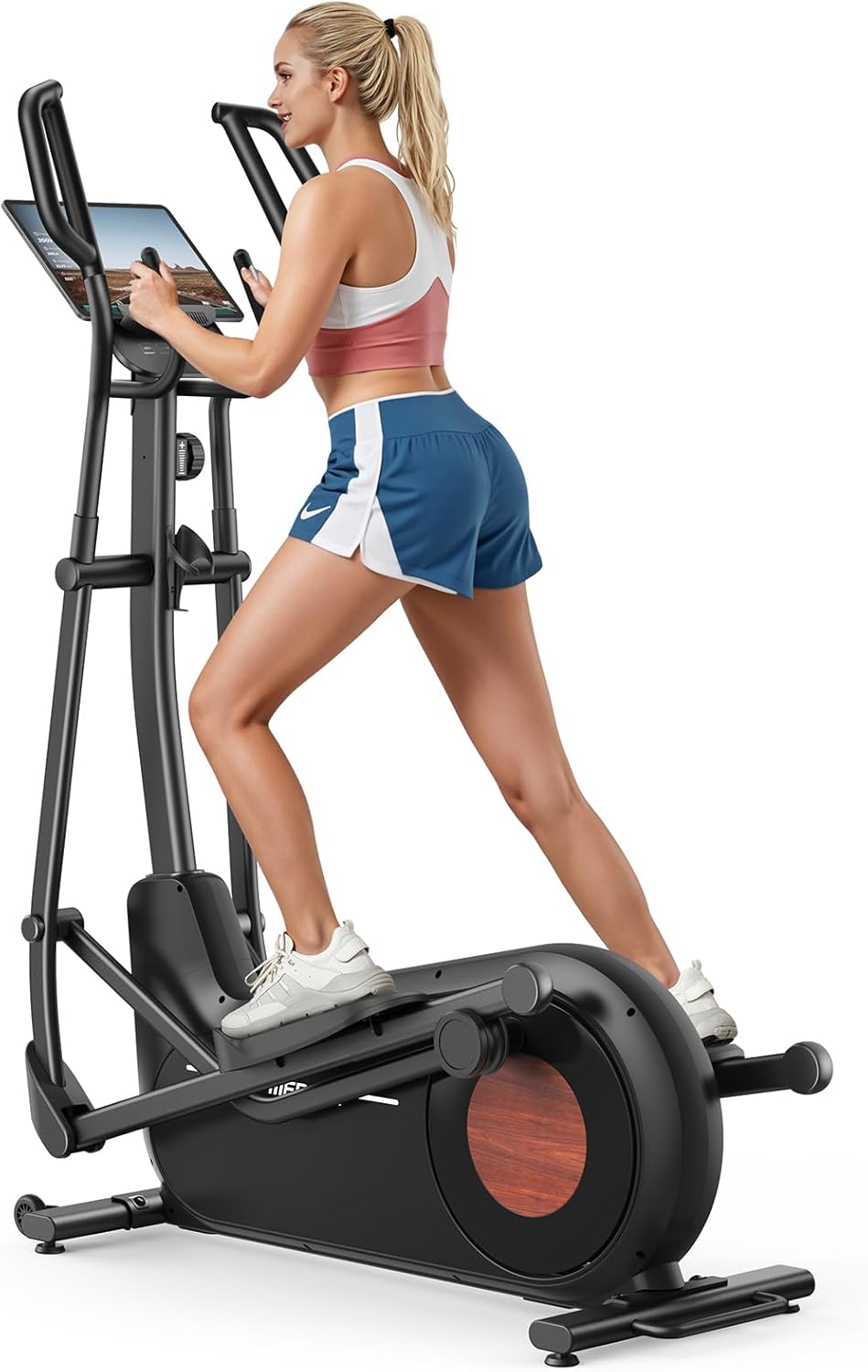
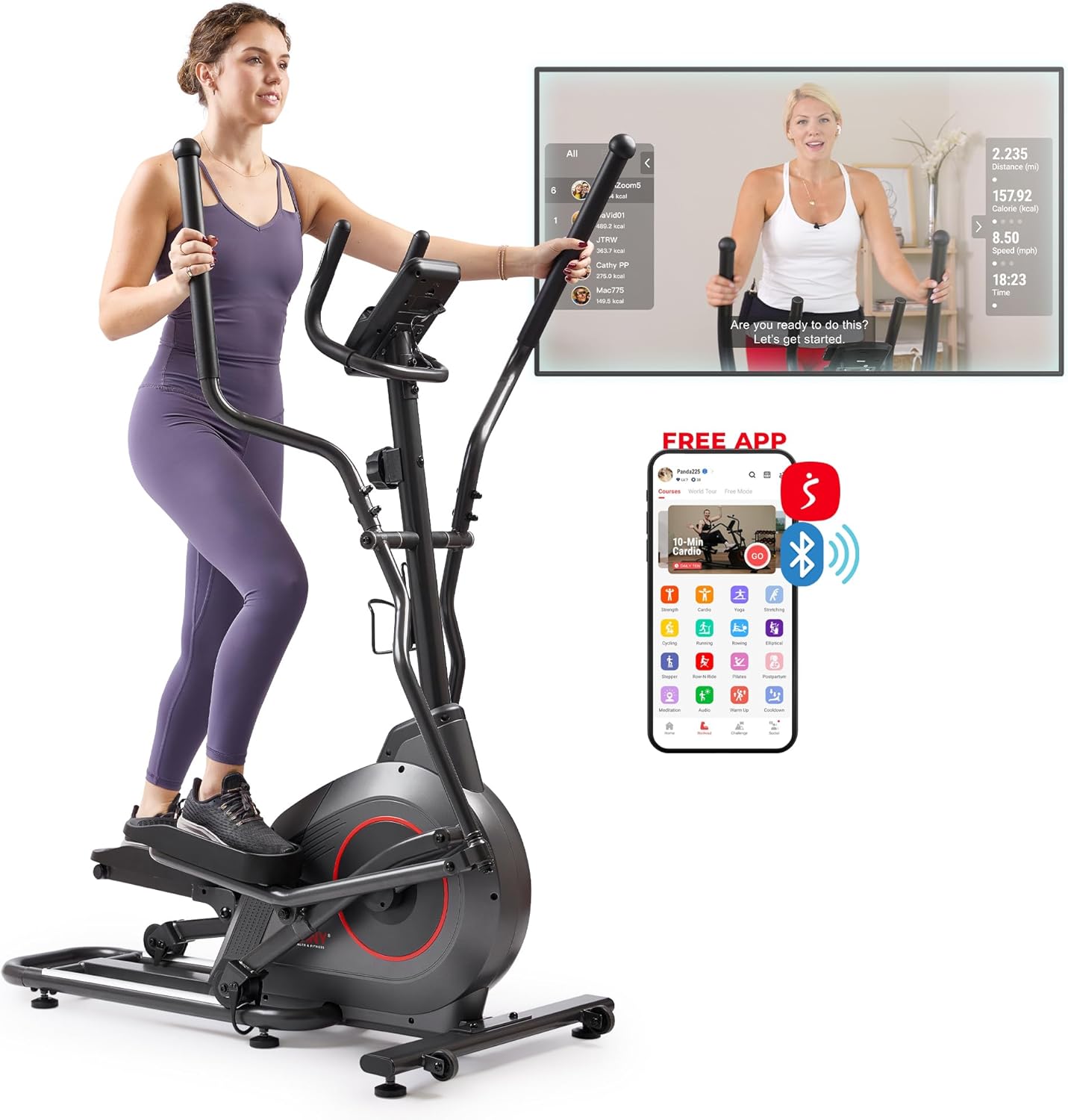
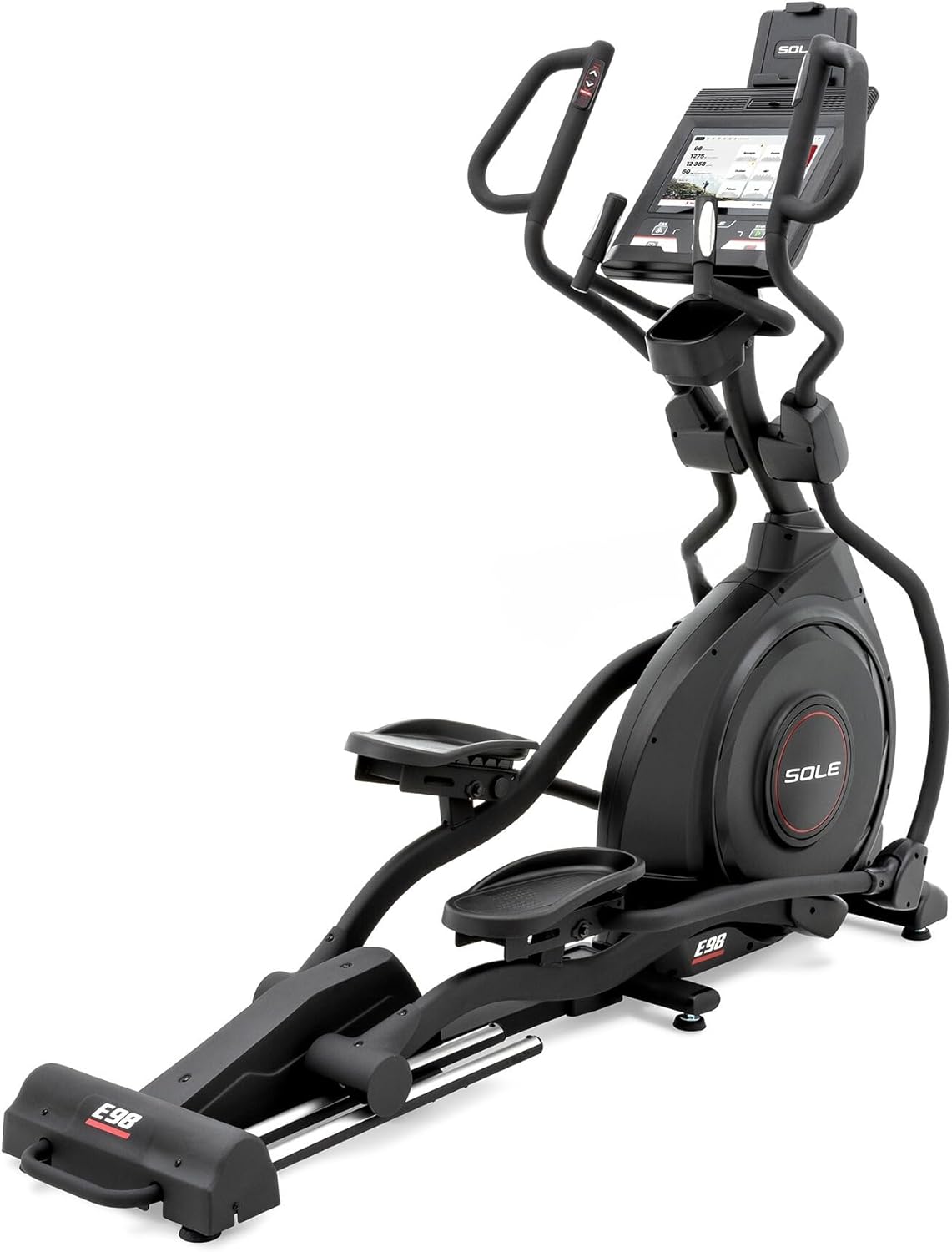
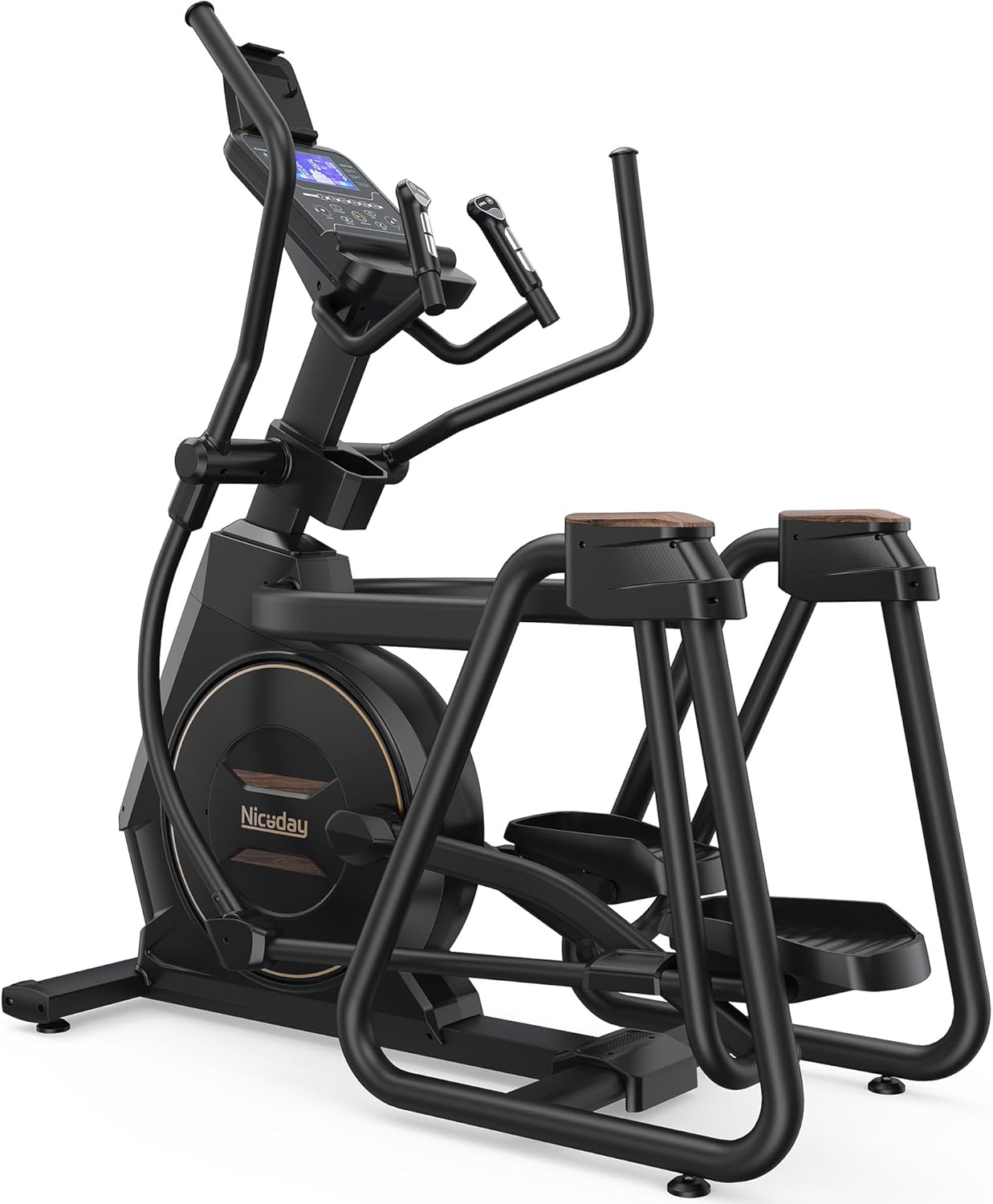


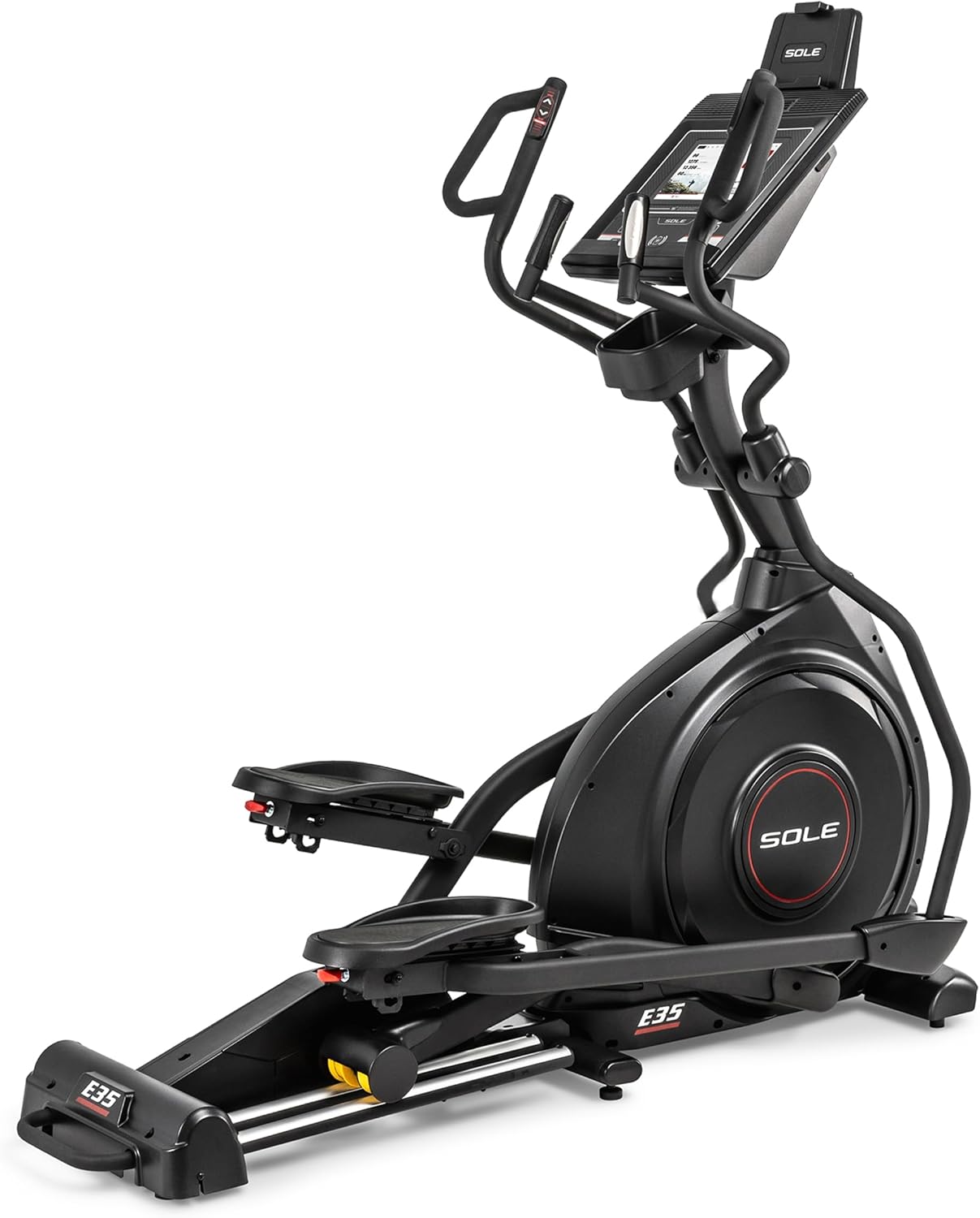


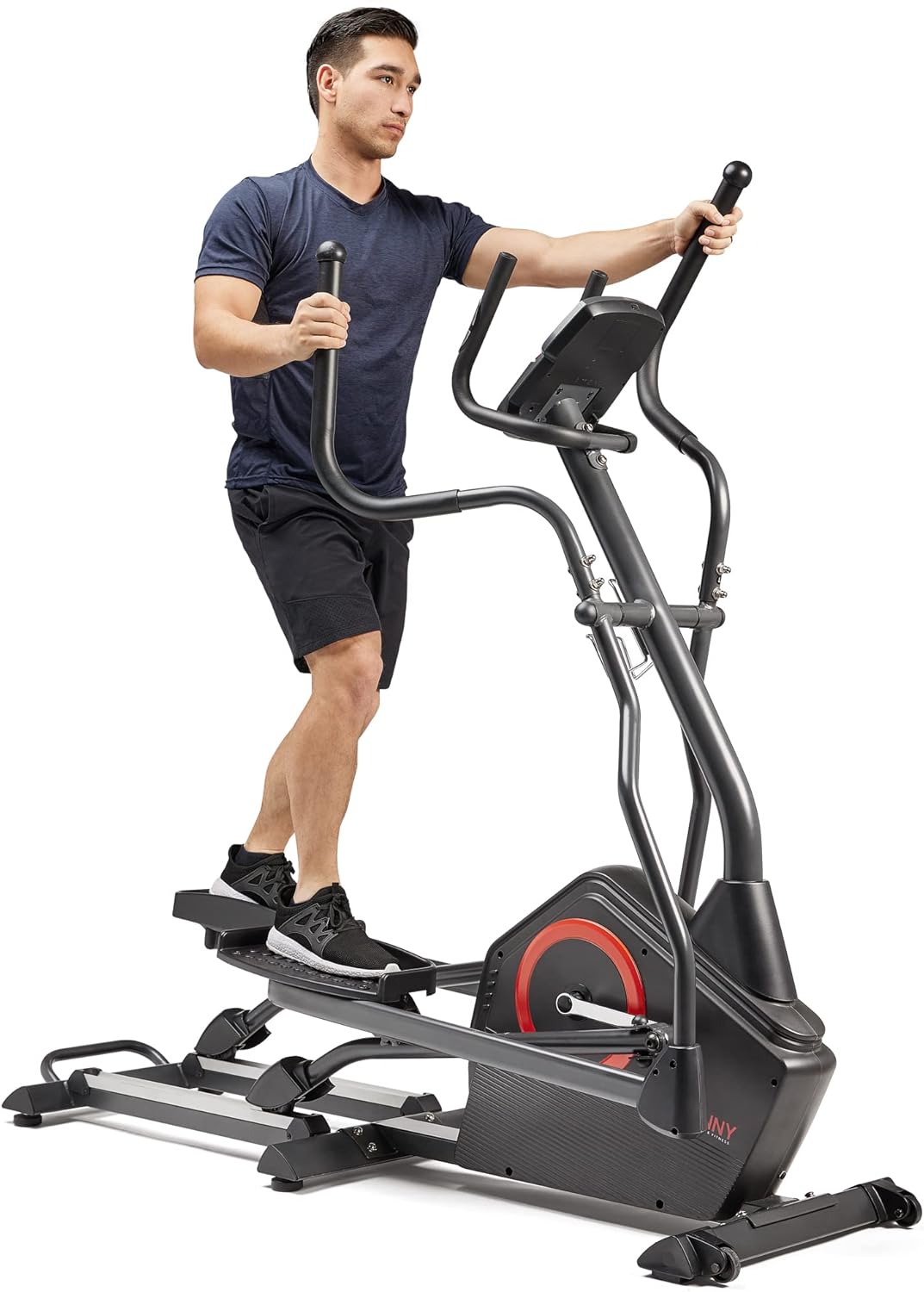


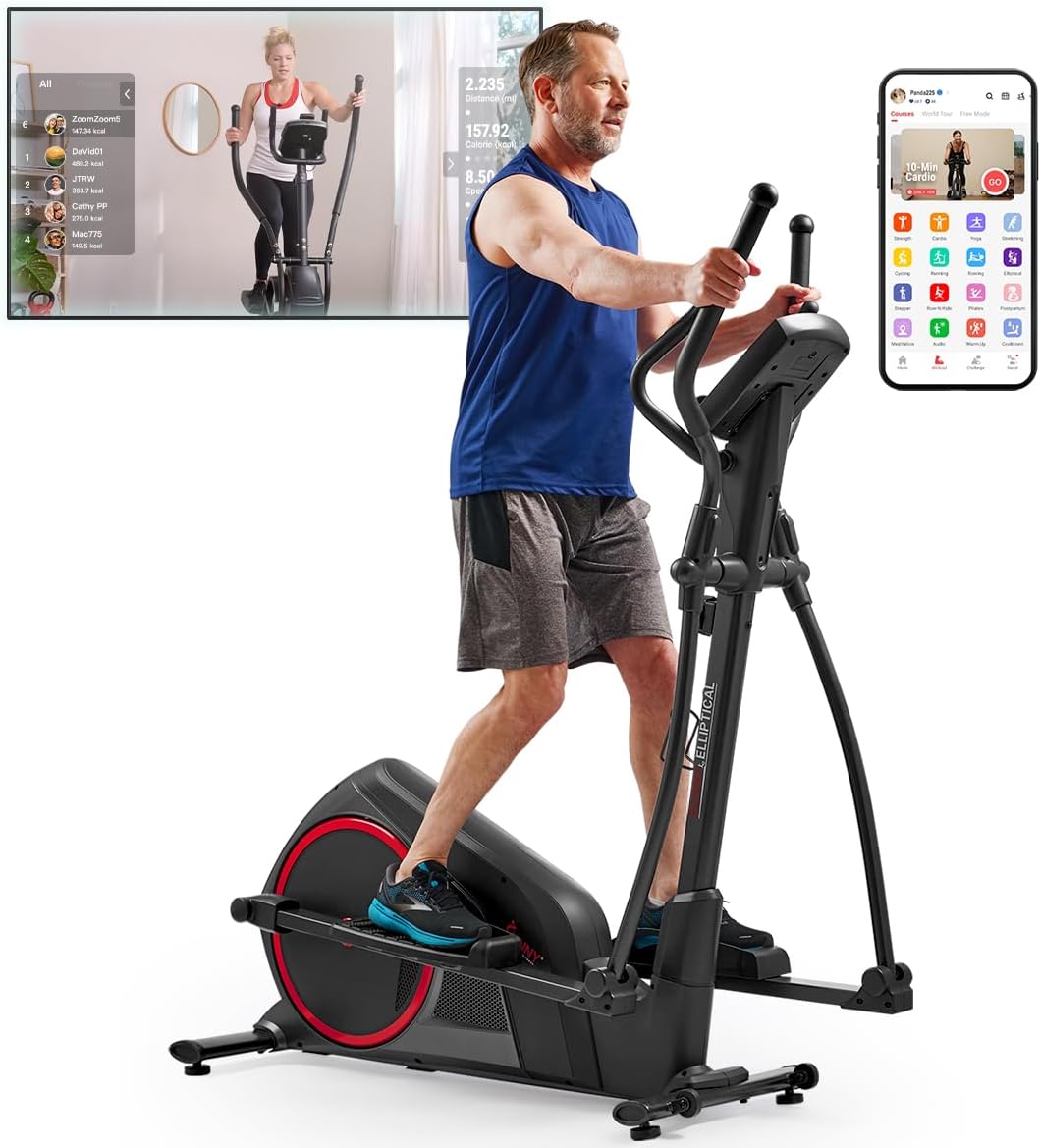
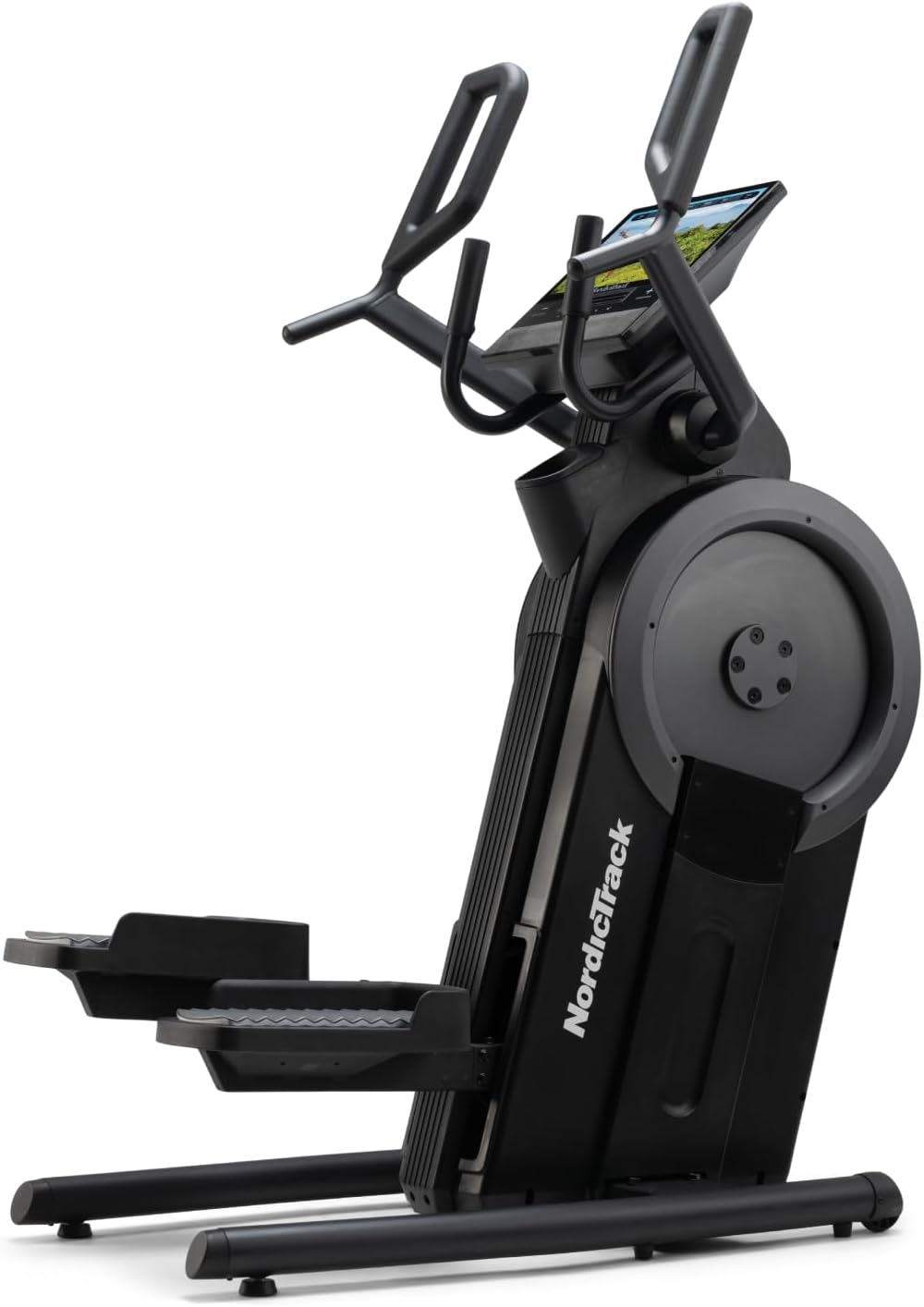


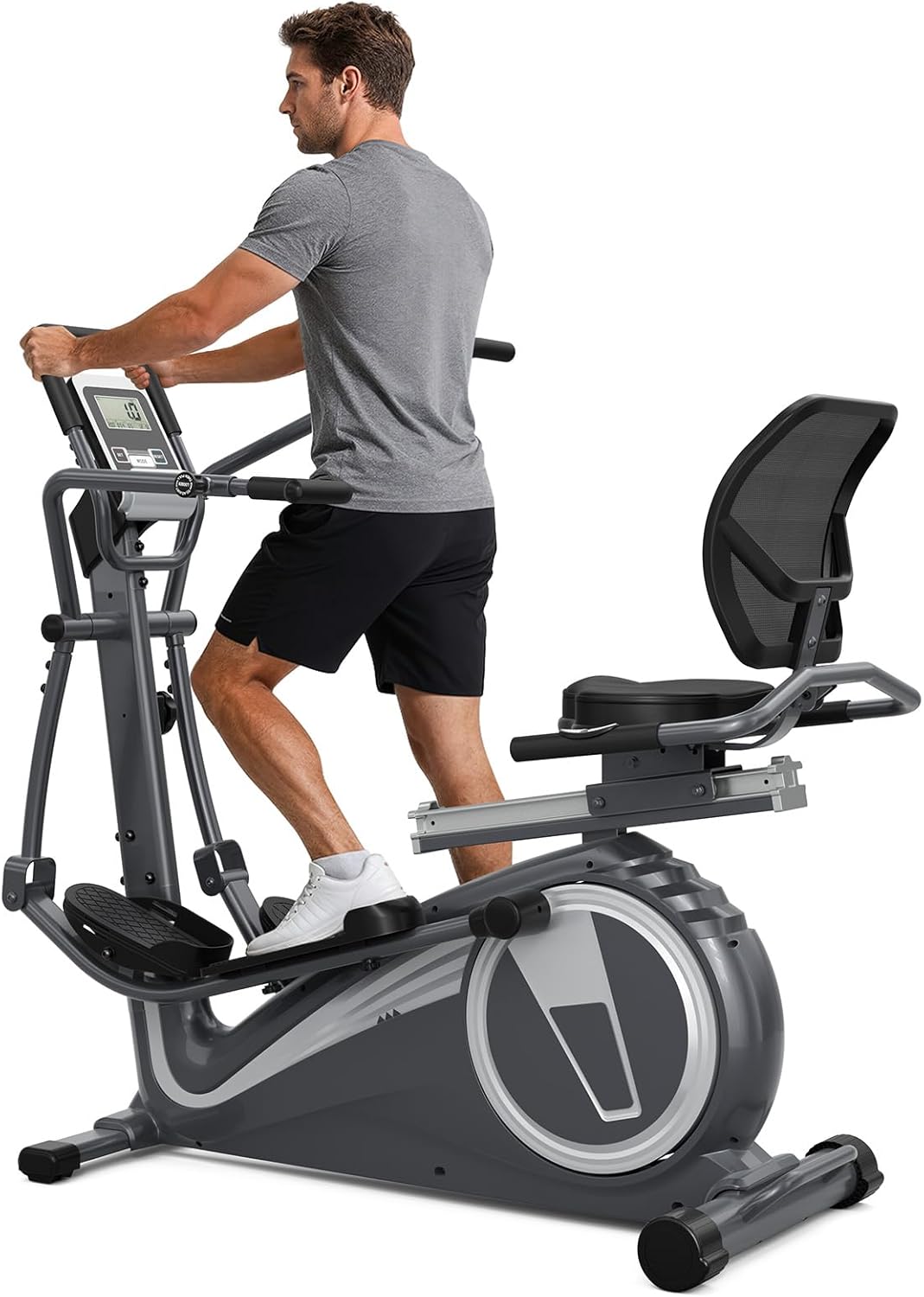
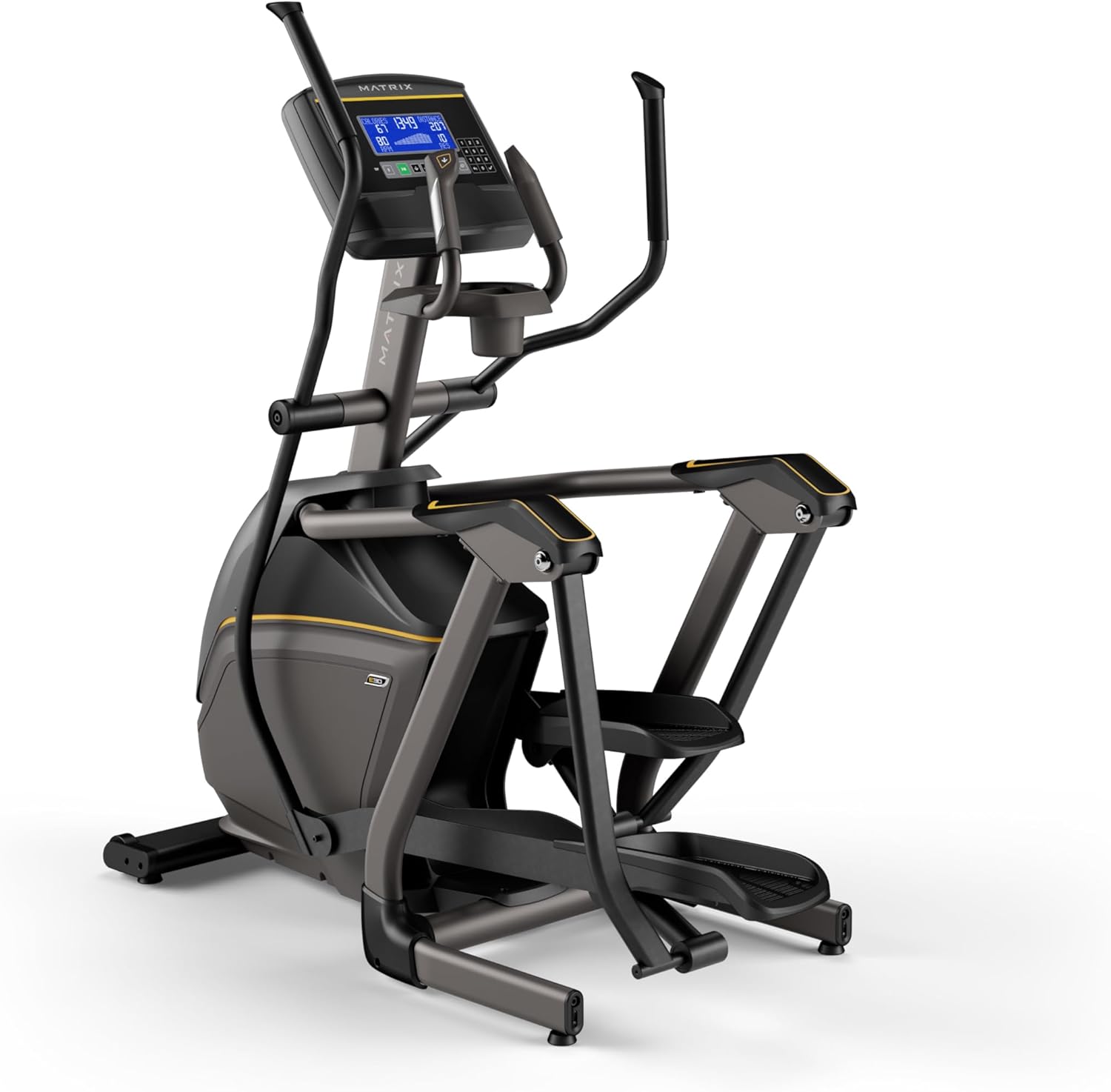


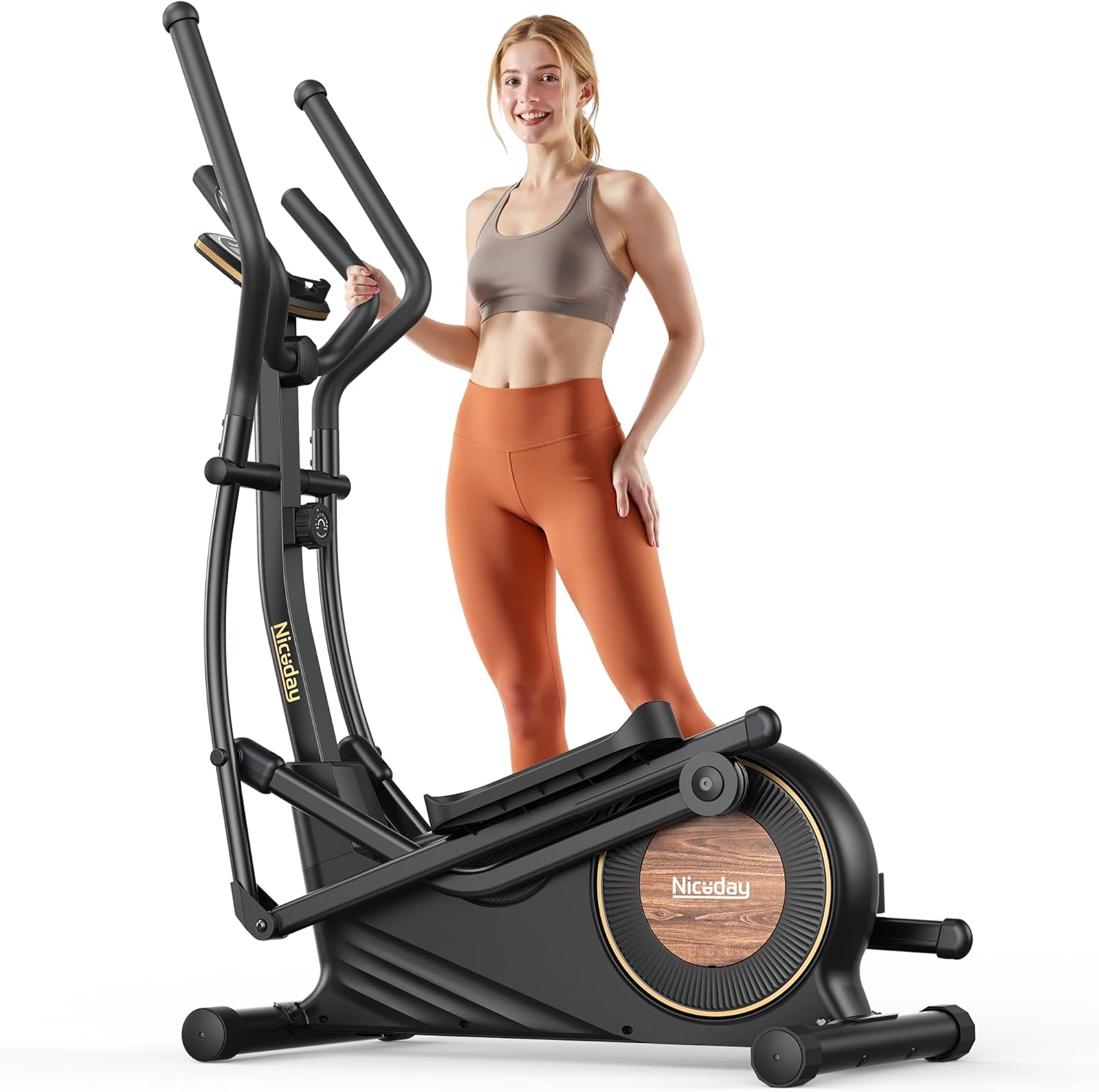


The elliptical machines help by combining upper- and lower-body movement in a smooth, continuous motion, ellipticals provide a full-body workout that supports endurance, calorie burn, and overall fitness while minimizing stress on the knees, hips, and ankles.
This page helps you compare elliptical machines across designs, resistance systems, and use cases so you can choose the right model for your space and training goals.The elliptical market includes a wide range of machines designed for different fitness levels and environments. Some ellipticals focus on compact design and ease of use for home gyms and apartments, while others are built for more intense workouts and frequent use in studios or light commercial settings. Understanding how ellipticals differ in stride length, resistance type, and overall build quality is essential when comparing models, as these factors directly affect comfort and performance.
Stride length is one of the most important considerations when choosing an elliptical. Shorter stride lengths are often found on compact or entry-level models and may suit smaller users or lighter workouts. Longer stride lengths provide a more natural running or walking motion and are generally preferred by taller users or those aiming for longer, more intense sessions. Some ellipticals offer adjustable or variable stride paths, allowing users to target different muscle groups and vary workout intensity.
Resistance systems play a key role in how an elliptical feels during use. Magnetic resistance is common in home ellipticals due to its quiet operation and smooth transitions between resistance levels. These systems are well-suited for shared living spaces where noise is a concern. Other ellipticals use electromagnetic or hybrid resistance systems that offer greater precision and responsiveness, often found in higher-end or commercial-grade machines.
Drive system design also affects the overall workout experience. Front-drive ellipticals tend to have a flatter, more walking-like motion and are often more compact. Rear-drive models usually provide a more circular, running-style stride and are known for smooth motion. Center-drive ellipticals place the flywheel on either side of the user, resulting in a more upright posture and balanced feel. Each design has its own advantages, and comparing drive systems can help determine which motion feels most comfortable and effective.
Ellipticals are often chosen for their versatility. Many machines allow users to adjust resistance and incline to simulate different terrain and intensities. Incline functionality increases muscle engagement in the lower body and adds variety to workouts. When comparing ellipticals, it’s important to consider whether incline adjustment is manual or motorized, as this can affect ease of use and workout flow.
Comfort and ergonomics are critical for longer sessions. Adjustable pedals, cushioned footplates, and ergonomic handlebars help reduce fatigue and improve overall workout quality. Some ellipticals include moving handlebars to engage the upper body, while others offer fixed handles for stability or heart-rate monitoring. A stable frame and smooth motion contribute to a more enjoyable and consistent training experience.
Technology features vary widely across elliptical models. Basic ellipticals may include simple consoles that track time, distance, speed, and calories burned. More advanced machines offer touchscreen displays, Bluetooth connectivity, and compatibility with training apps or heart-rate monitors. These features can add motivation and structure to workouts, particularly for users who enjoy guided training or performance tracking. As with other equipment, technology should enhance usability without compromising reliability.
Ellipticals are well-suited for users prioritizing low-impact exercise. The continuous motion reduces joint stress while still delivering an effective cardio workout, making ellipticals a common choice for recovery-focused training, cross-training, or users returning to exercise after injury. Proper posture and alignment are important to maximize benefits, so comparing machines with stable platforms and smooth mechanics is essential.
Price ranges for ellipticals vary depending on build quality, resistance type, and included features. Entry-level models may be sufficient for light or occasional use, while mid-range ellipticals often balance durability and functionality for regular workouts. Higher-end ellipticals typically emphasize longer stride lengths, advanced resistance systems, and enhanced technology. Comparing prices across retailers and considering new, used, or refurbished options can help identify better value.
This page organizes elliptical options into clear product comparisons so you can browse models side by side. Each product page highlights key specifications, typical pricing, and intended use cases, helping you understand how different ellipticals compare. Instead of navigating multiple retailer listings, you can explore elliptical machines in one place and move toward a confident purchase decision.
As Versaly continues to expand, elliptical coverage will grow to include more models, deeper comparisons, and improved navigation between similar products. Start by browsing the elliptical listings below to explore available options and compare machines that fit your training style, space, and budget.