
Exercise Bikes – Compare Indoor & Smart Bike Models
Exercise bikes are one of the most popular and accessible forms of fitness equipment, offering an effective way to improve cardiovascular fitness, build endurance, and support weight management.


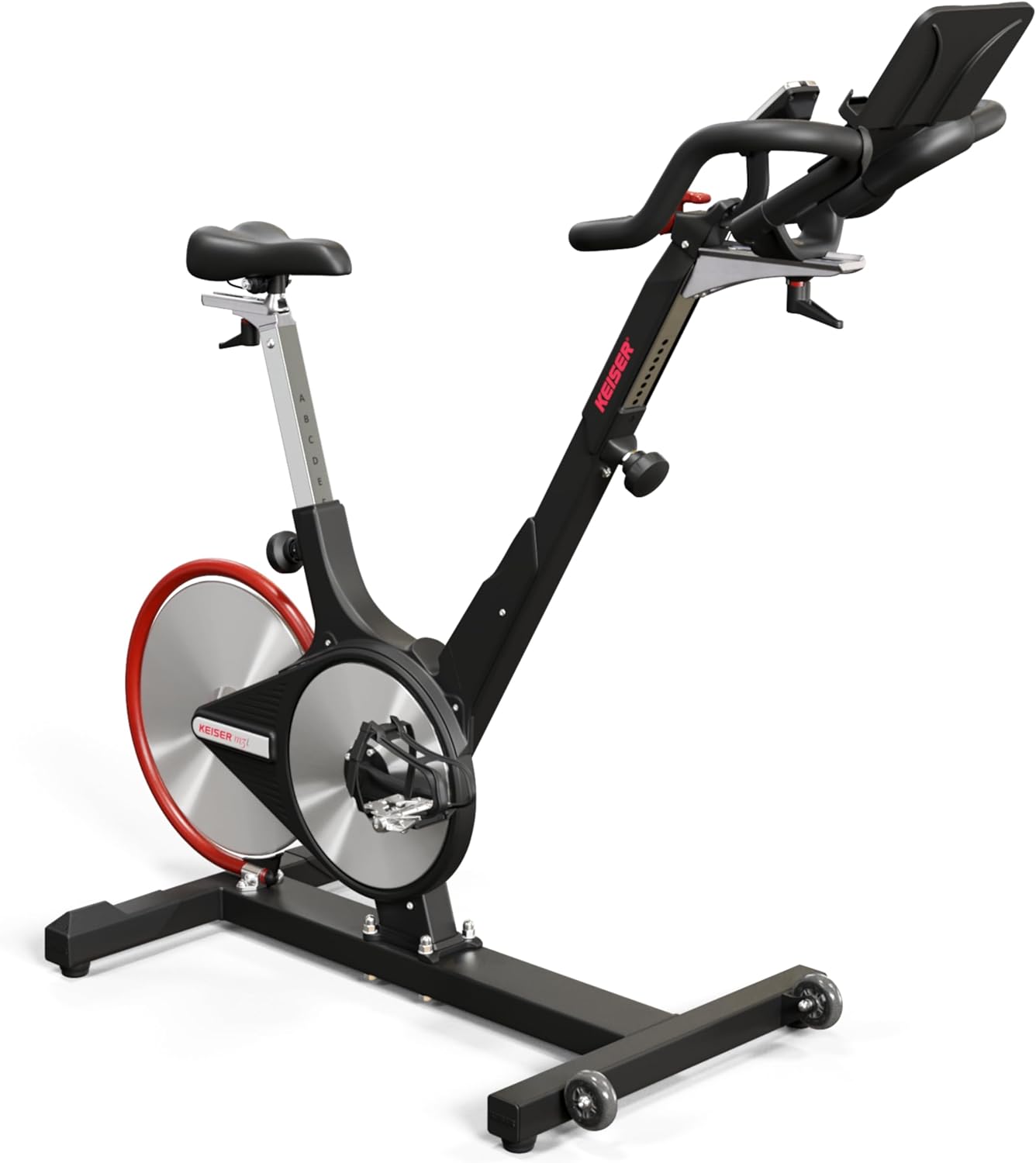
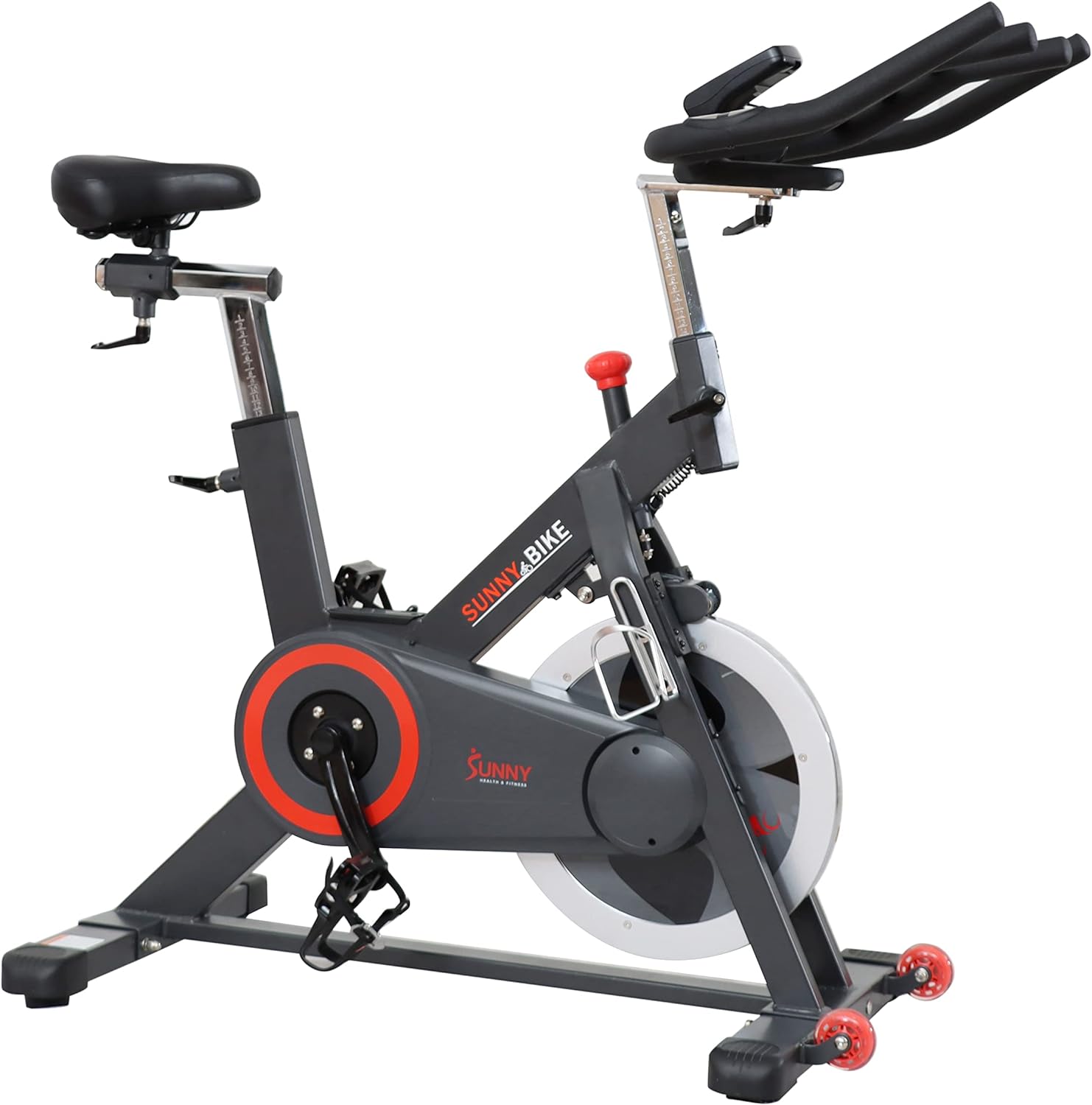
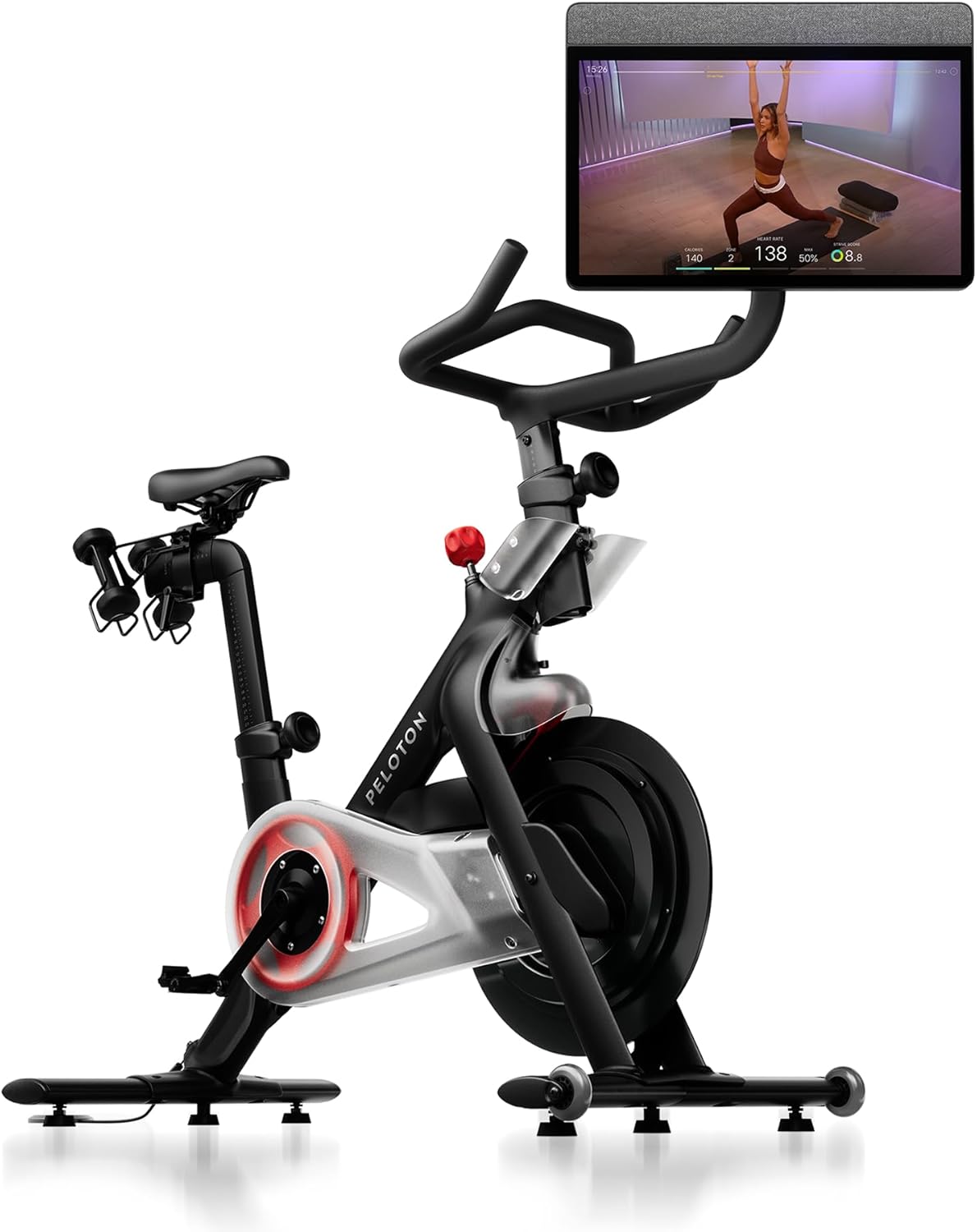
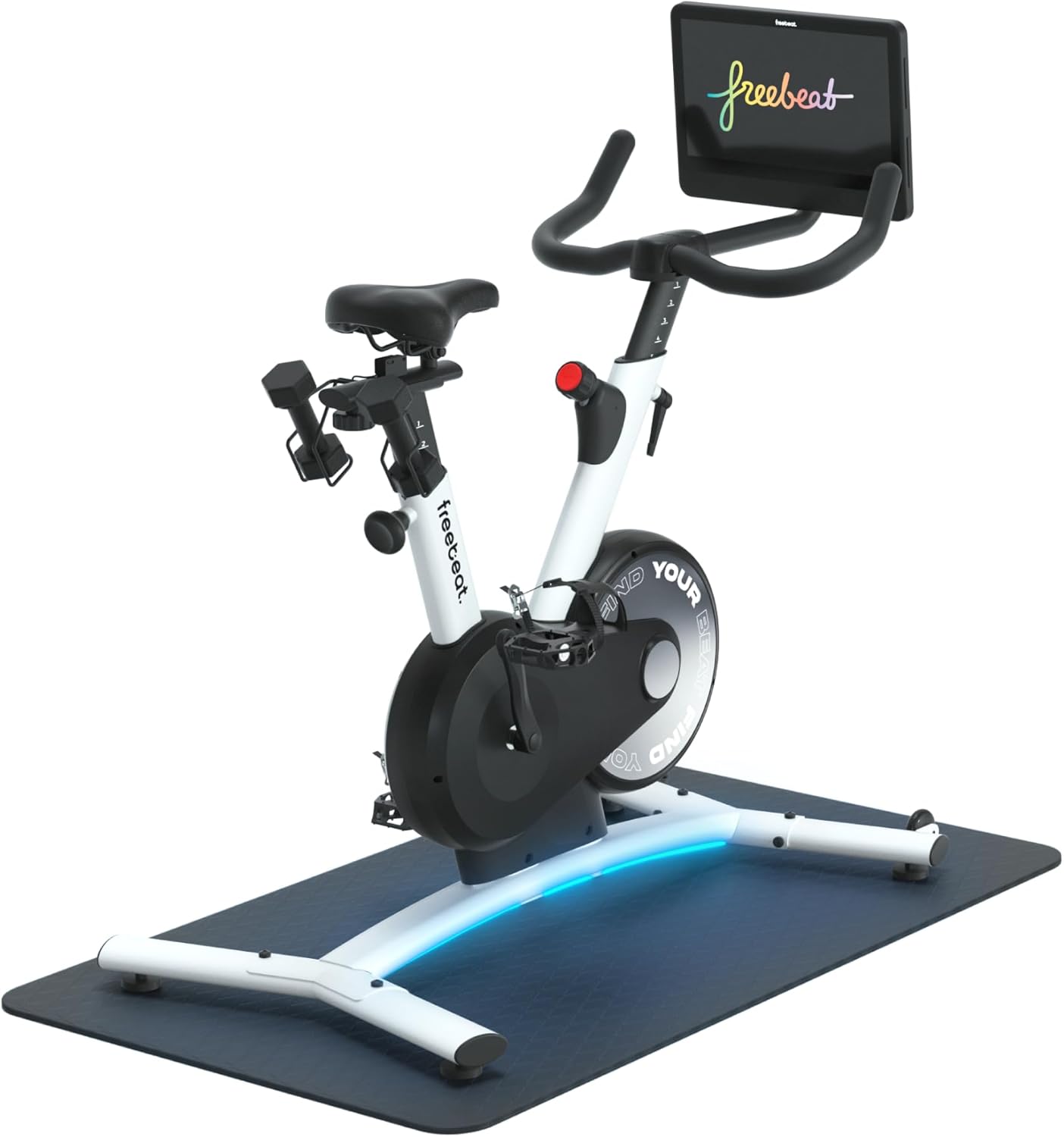






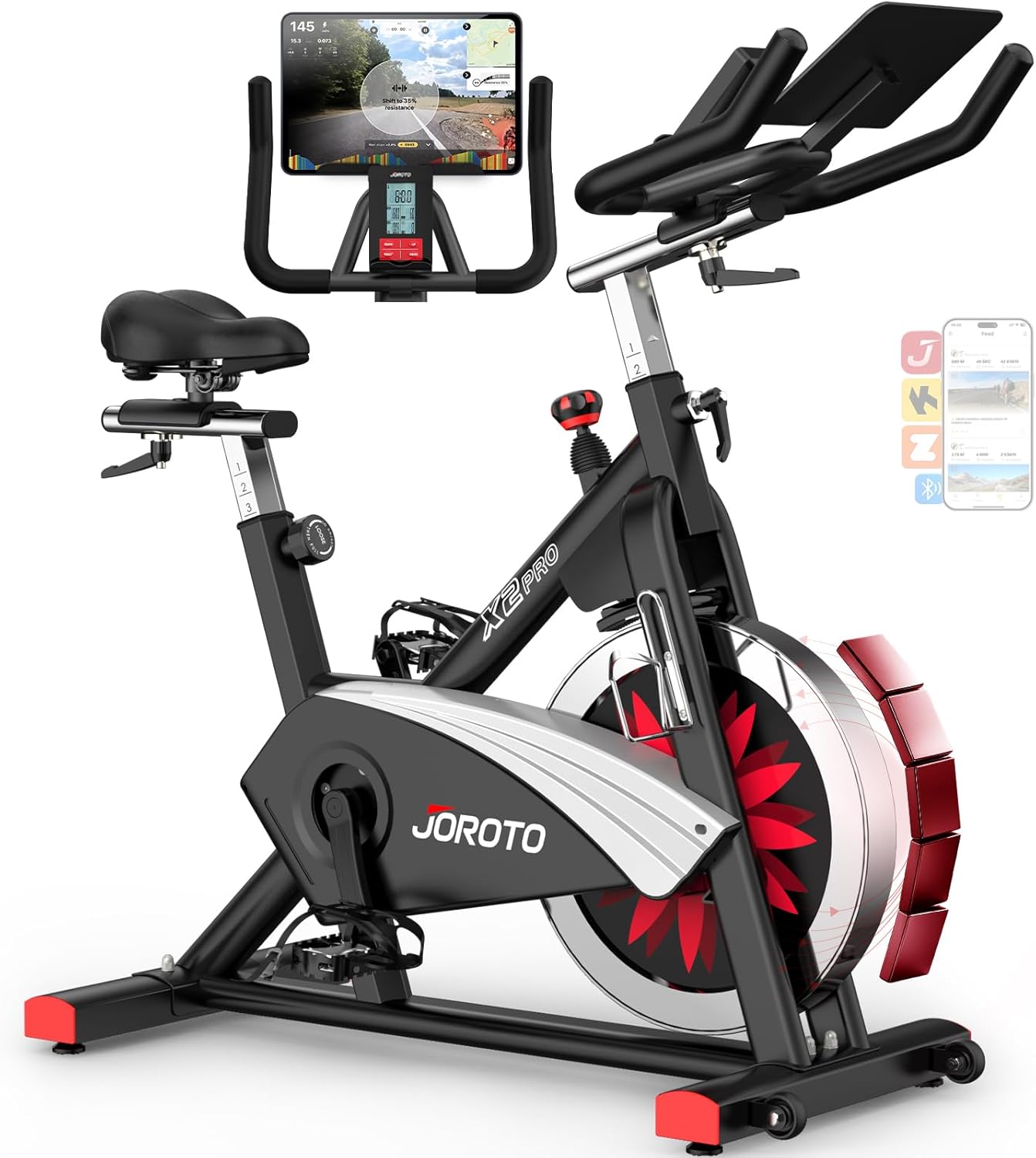
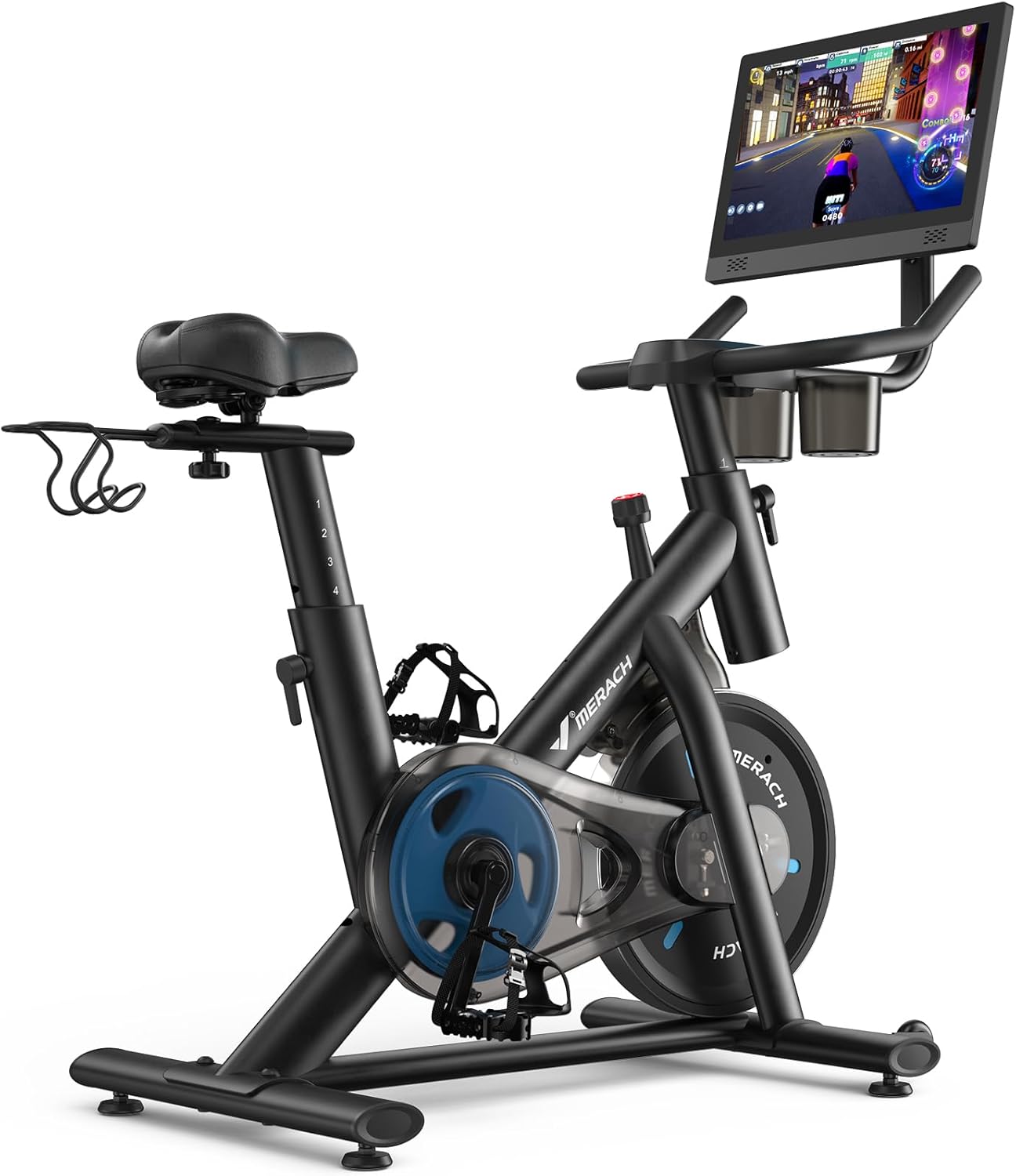
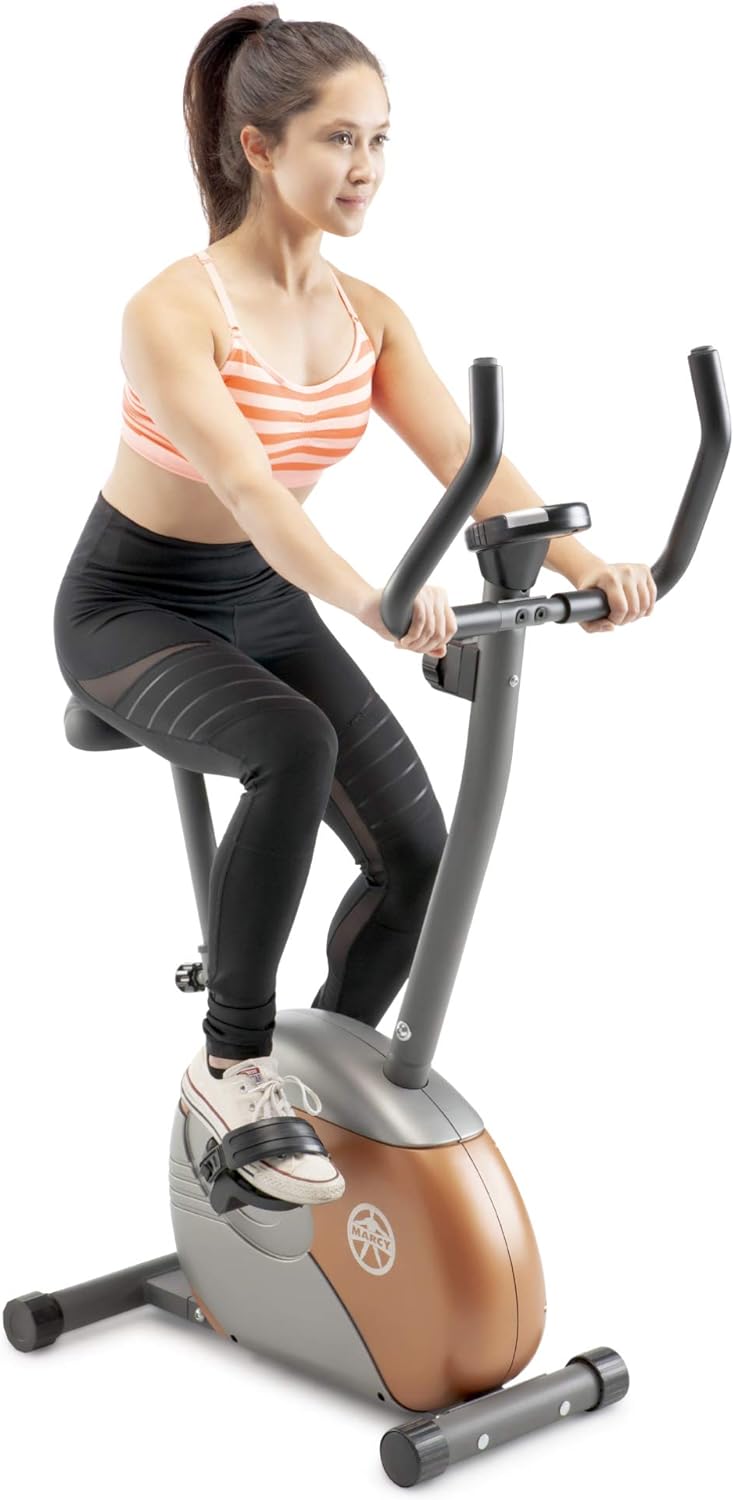

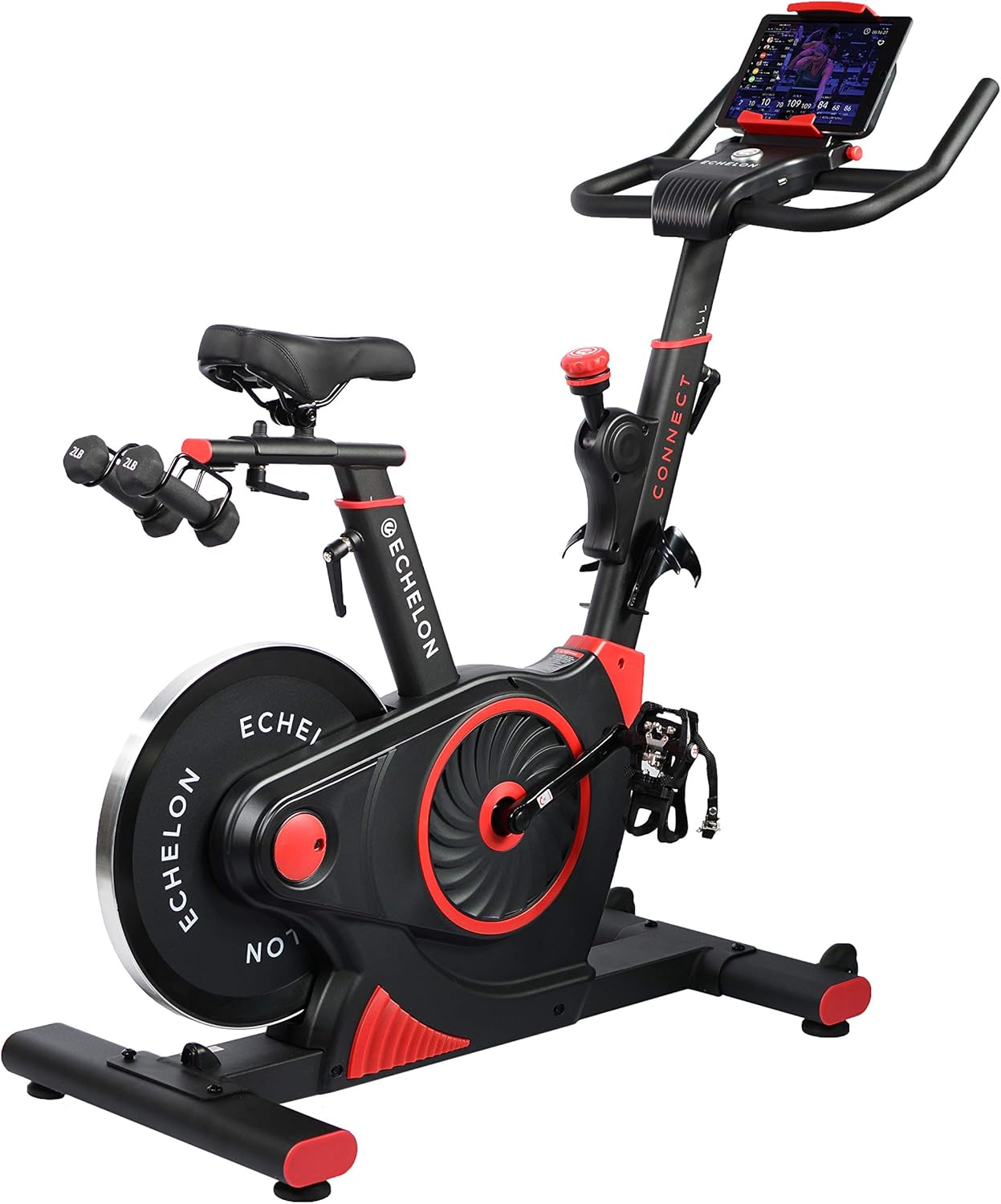
Whether you’re training for cycling performance, following guided workouts, or simply looking for a low-impact way to stay active, choosing the right exercise bike can significantly affect comfort, motivation, and long-term consistency. This page helps you compare exercise bikes across types, features, and use cases so you can make a more informed decision before buying.
The exercise bike market includes a wide range of models designed for different training styles and environments. Some bikes focus on simplicity and compact design for casual home use, while others emphasize advanced resistance systems, heavy-duty frames, and interactive technology for structured training. Understanding these differences is essential, as not all exercise bikes are built for the same purpose or intensity level.
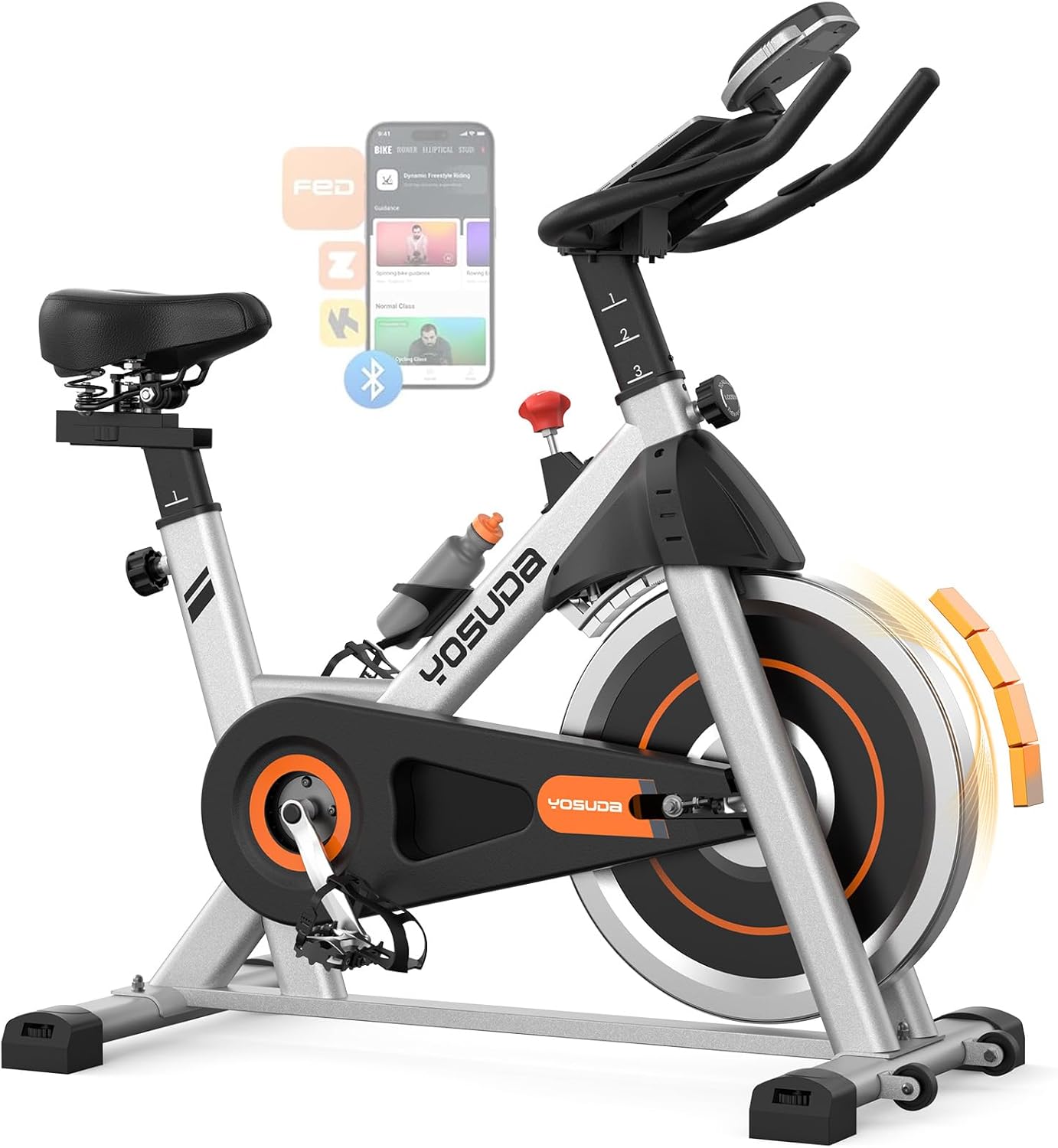
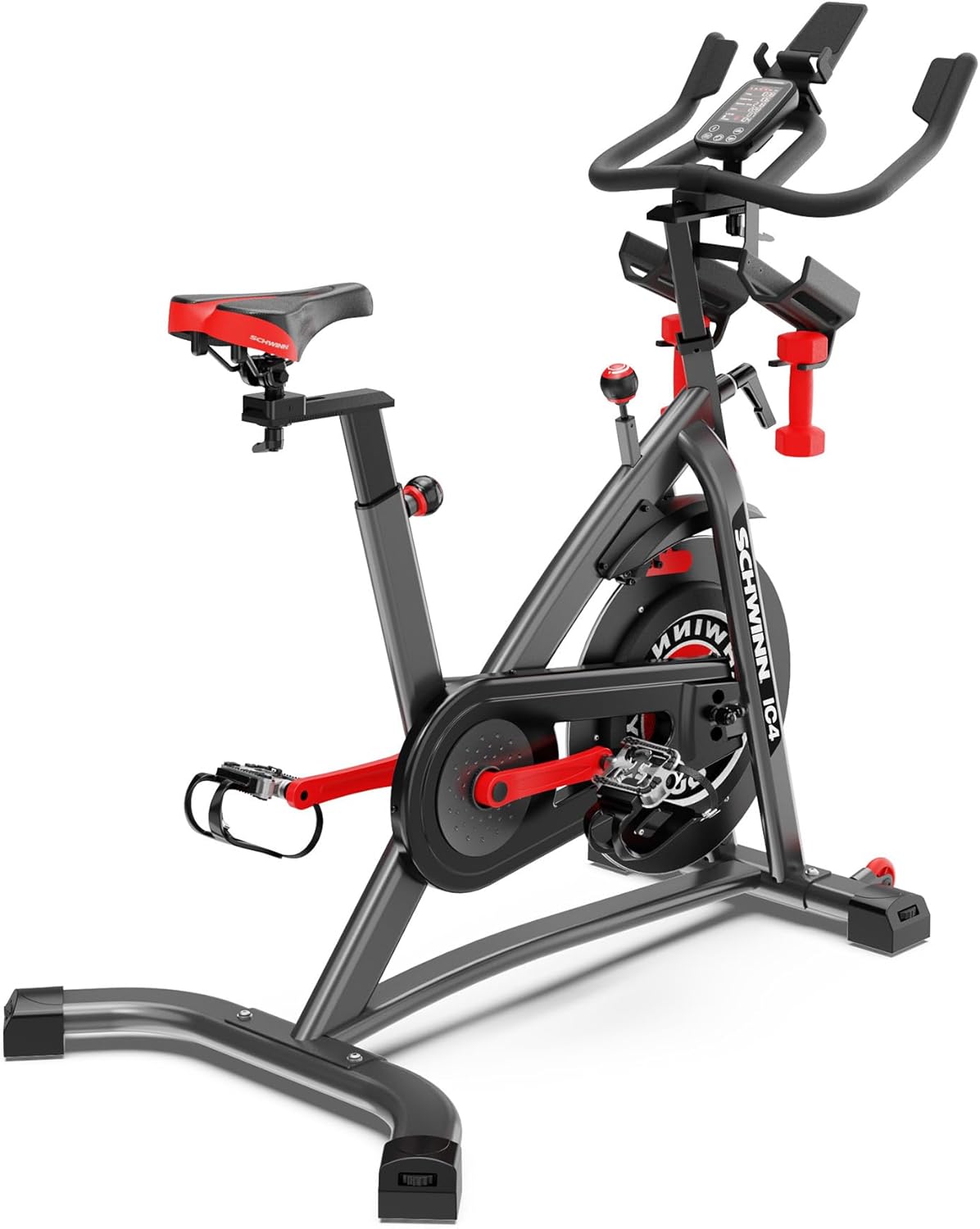
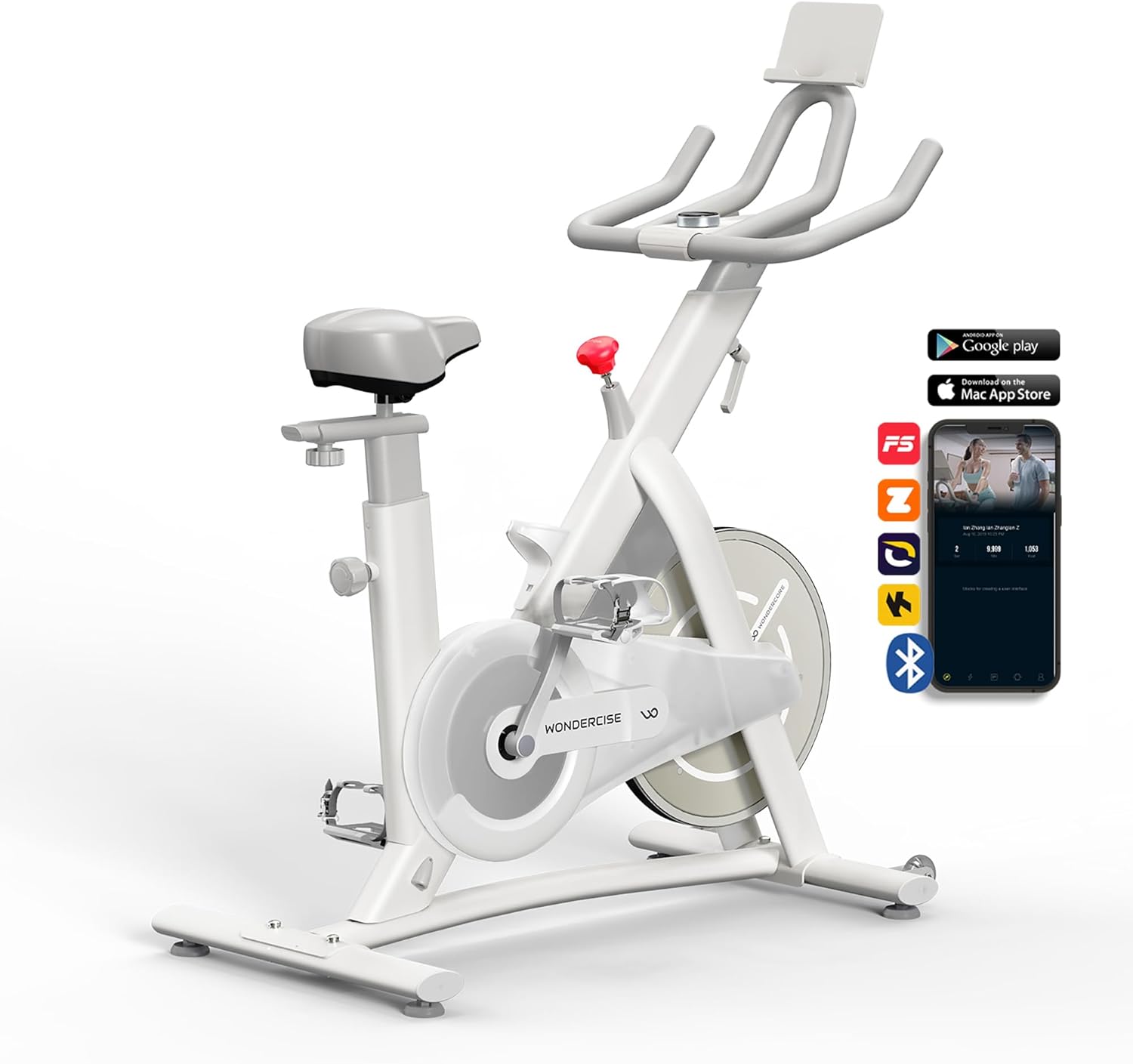
Indoor cycling bikes, often referred to as spin bikes, are designed to replicate the feel of road cycling. These bikes typically feature weighted flywheels, adjustable resistance, and aggressive riding positions that suit interval training and high-intensity workouts. They are popular in both home gyms and studio settings due to their durability and ability to support intense sessions. Riders who enjoy standing climbs, sprint efforts, or cycling-focused training often gravitate toward this style of bike.
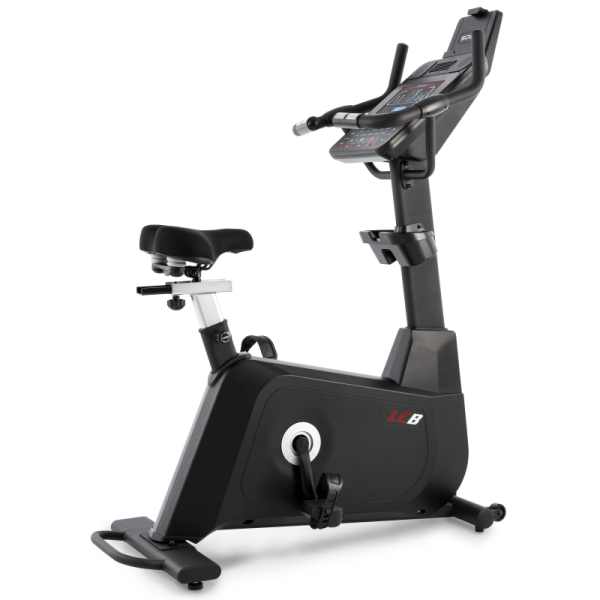
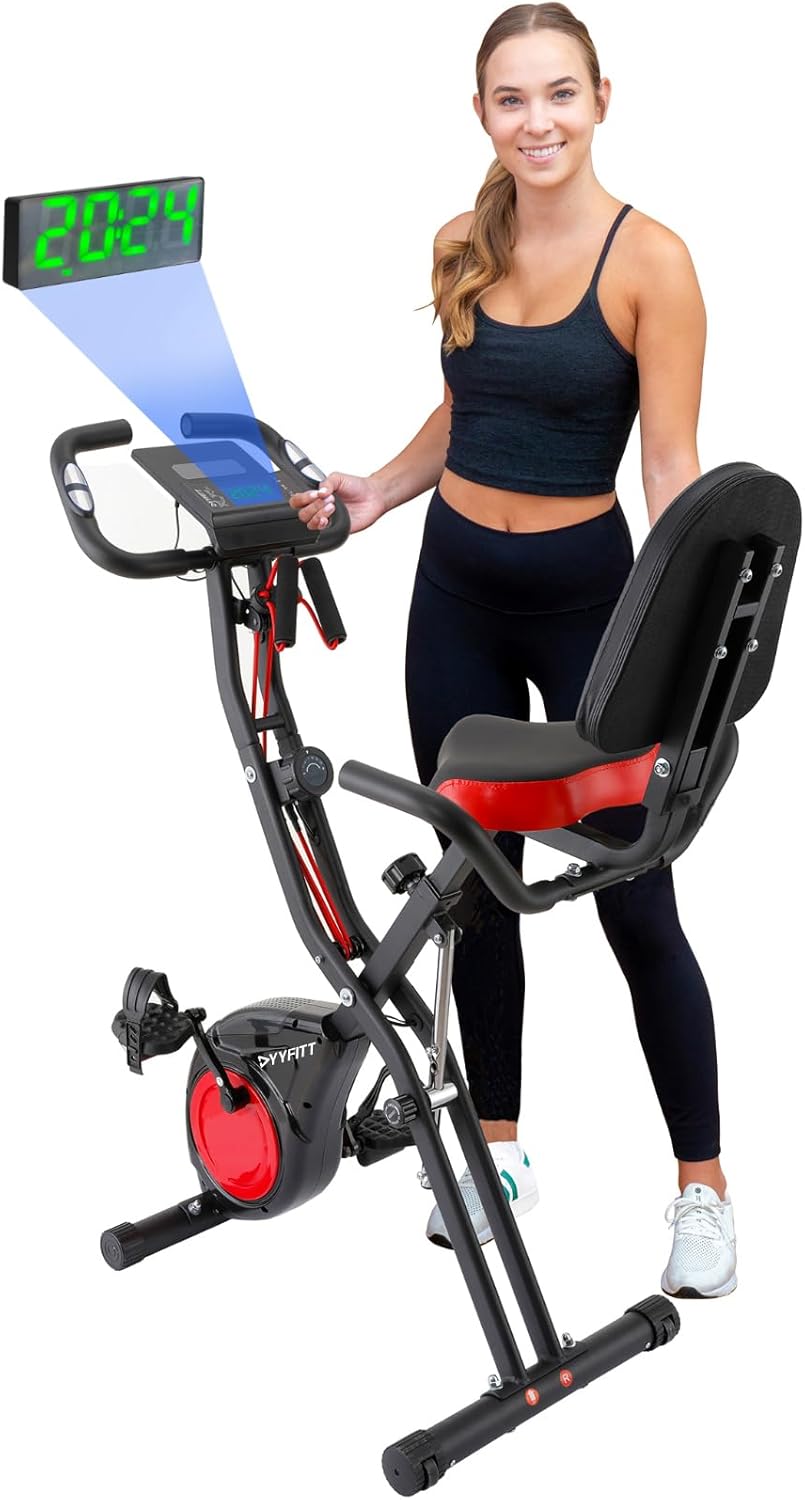
Upright exercise bikes offer a more traditional cycling position and are commonly used for general fitness and low-impact cardio. These bikes are typically easier to mount and dismount, making them a practical option for beginners or users prioritizing comfort. Many upright bikes include preset workout programs, heart rate tracking, and adjustable resistance levels that allow users to progress gradually over time.
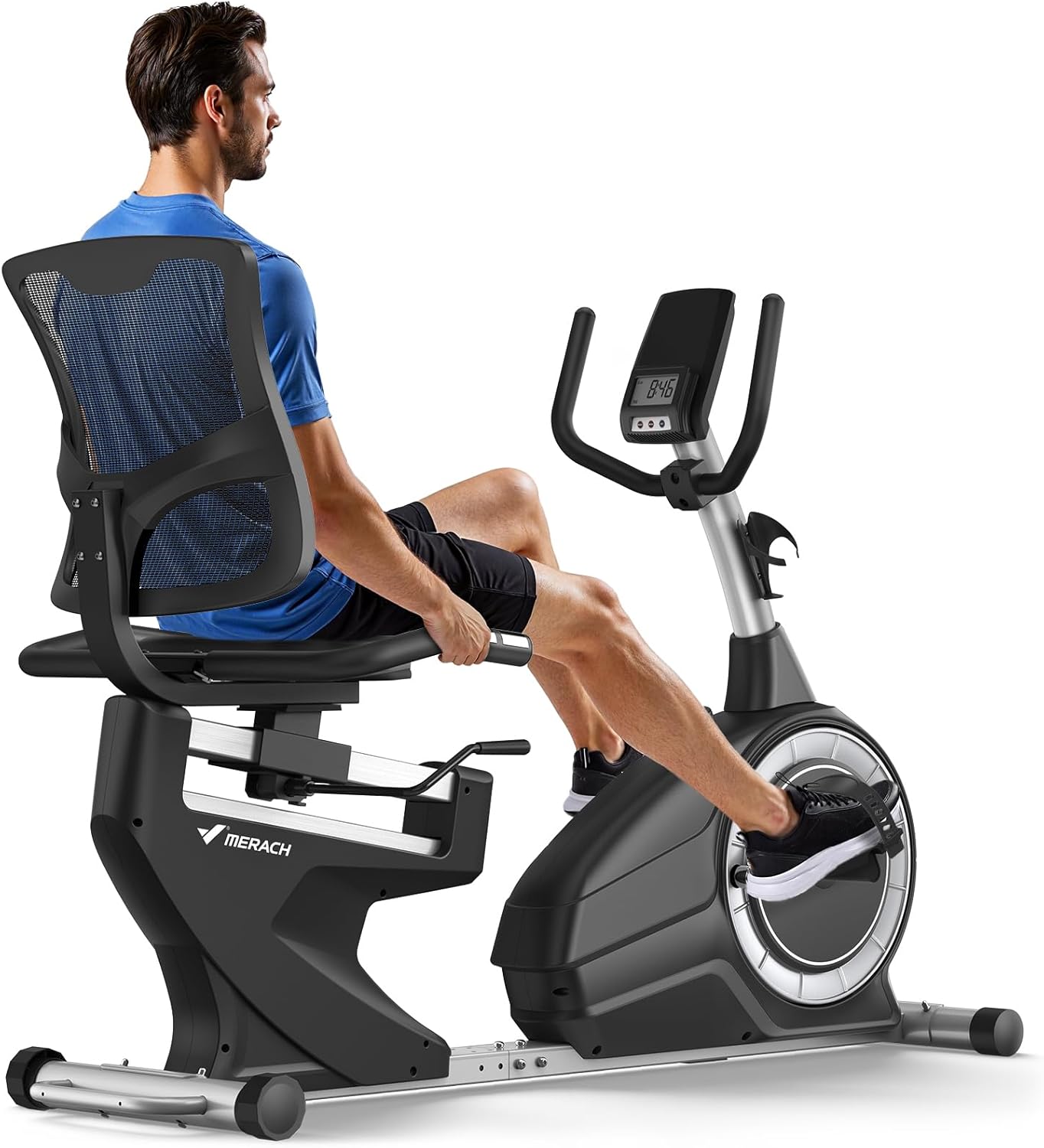
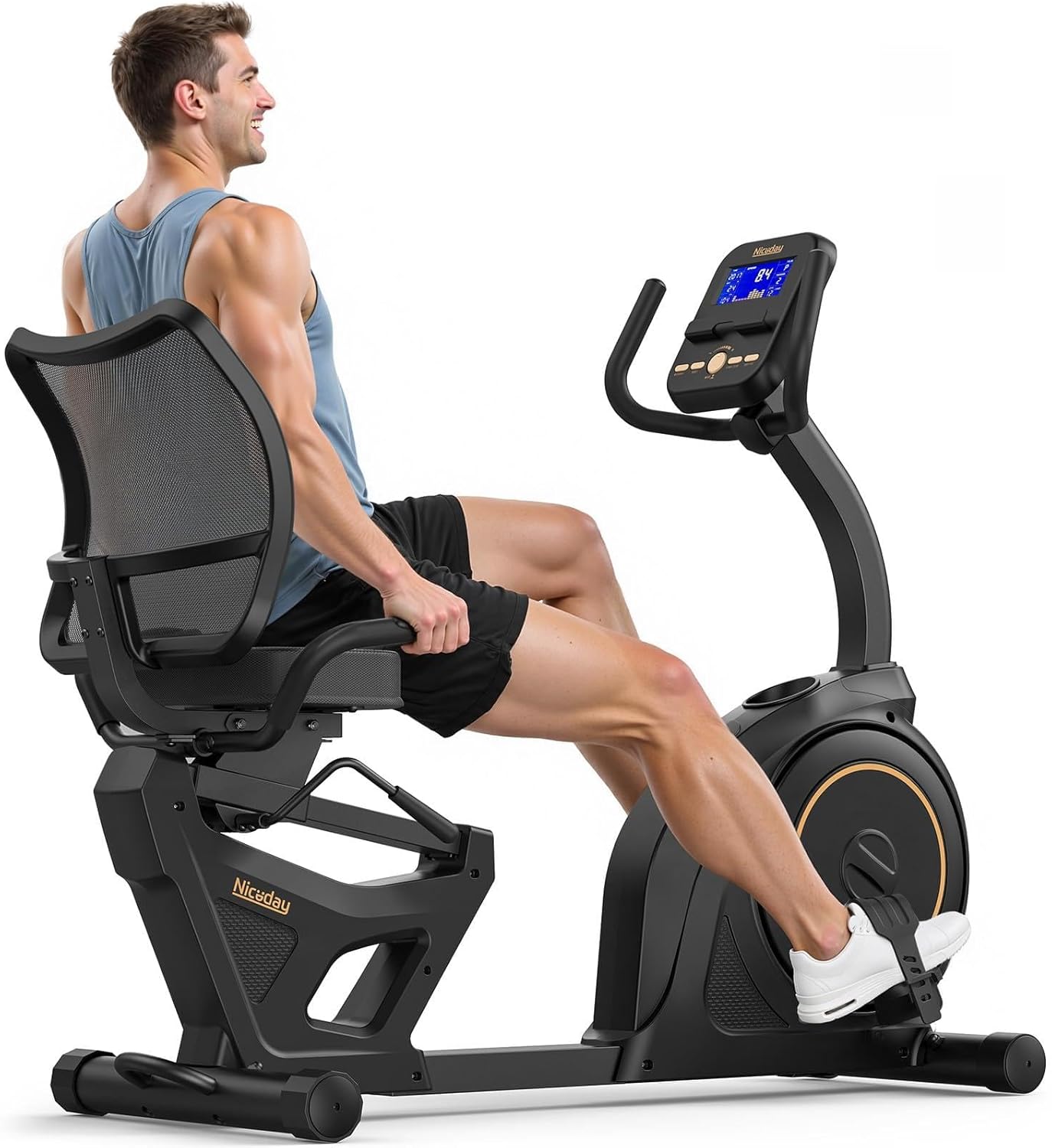
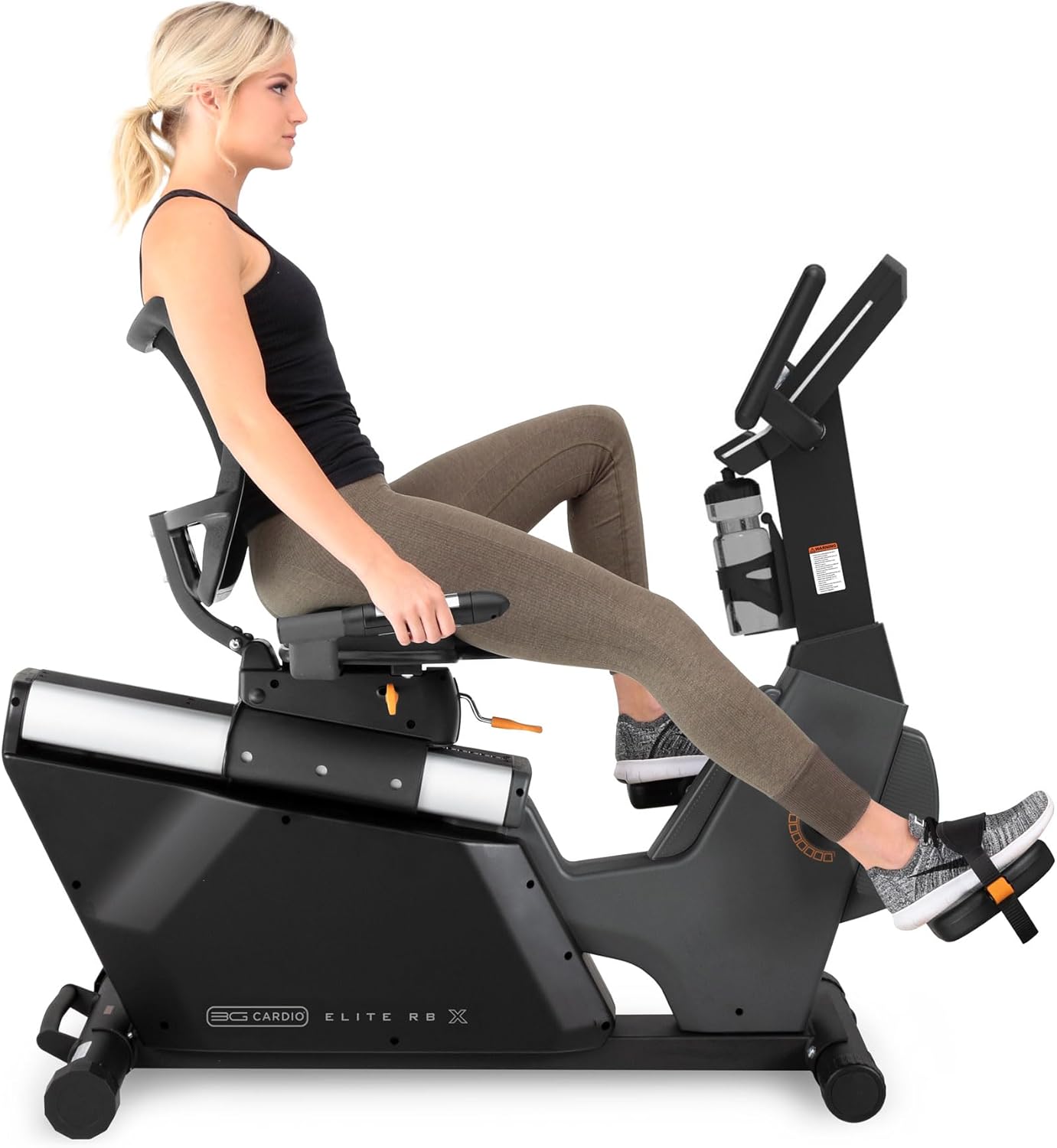
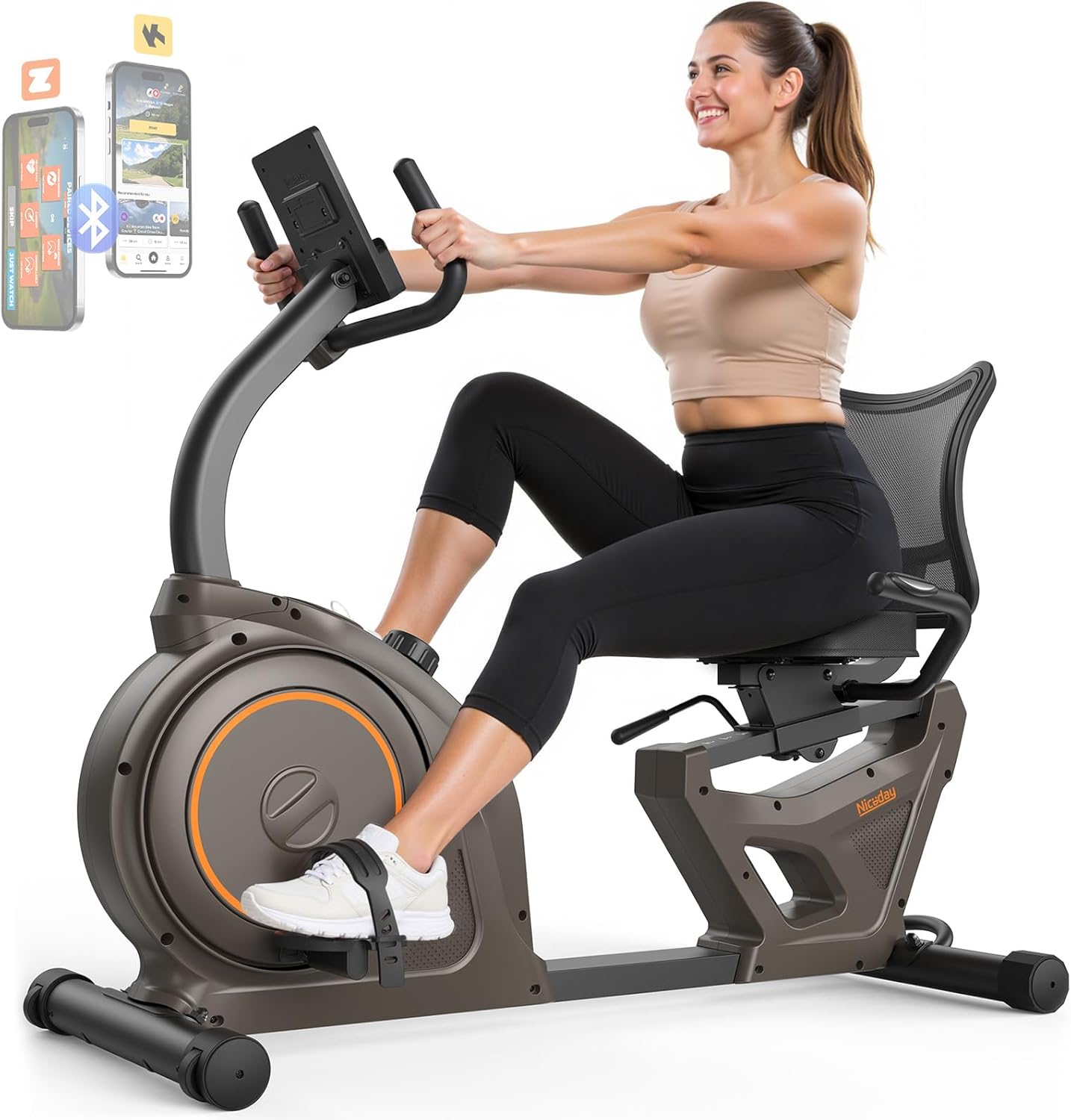
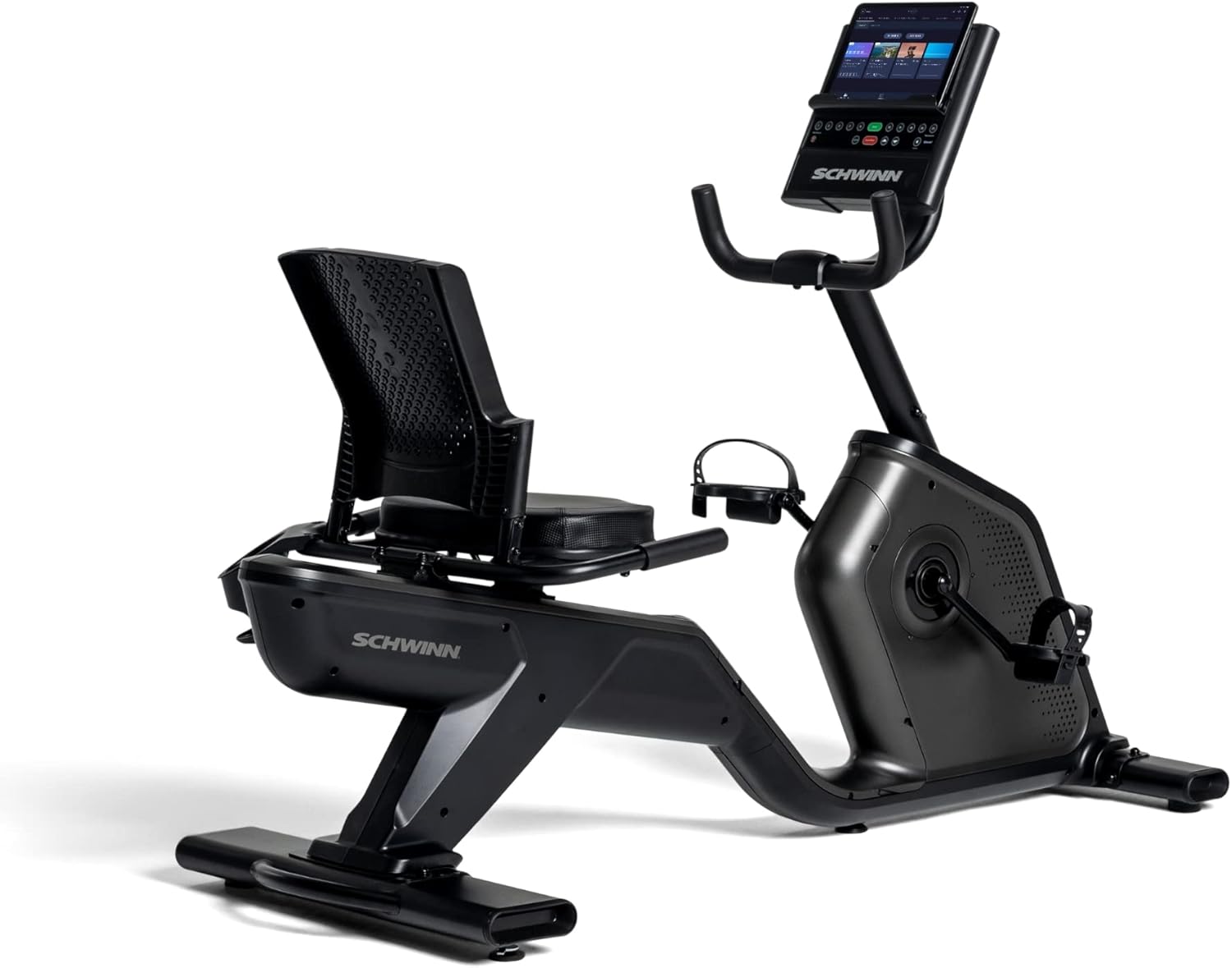
Recumbent bikes are designed with comfort and joint support in mind. Featuring a reclined seating position and back support, they reduce stress on the lower back and knees while still providing an effective cardio workout. Recumbent bikes are often chosen for rehabilitation, recovery-focused training, or users seeking a more relaxed riding experience. While they may not offer the same intensity as upright or spin bikes, they excel in accessibility and comfort.
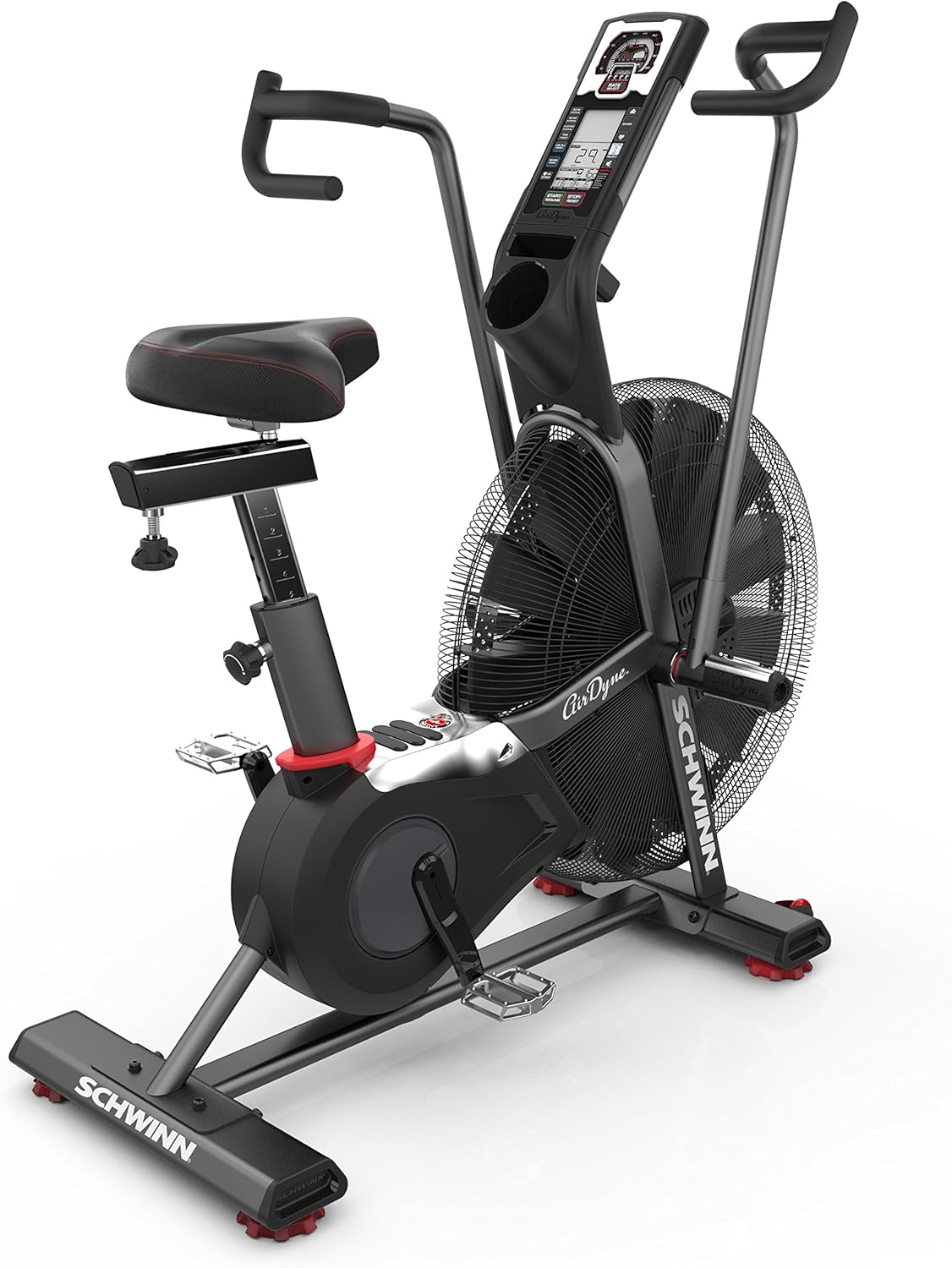
Resistance systems are a key factor when comparing exercise bikes. Magnetic resistance is popular for its quiet operation and smooth feel, making it well-suited for home environments. Friction resistance, commonly found on spin bikes, provides a more direct and adjustable riding experience but may require more maintenance over time. Some bikes also use air or hybrid resistance systems to dynamically adjust intensity based on effort.
Frame stability and adjustability play an important role in overall ride quality. A stable frame minimizes wobble during intense workouts, while adjustable seats and handlebars help ensure proper fit for different body sizes. A well-fitted bike improves comfort and reduces the risk of discomfort or injury, especially during longer sessions. When comparing bikes, paying attention to adjustability and build quality can make a noticeable difference in day-to-day use.
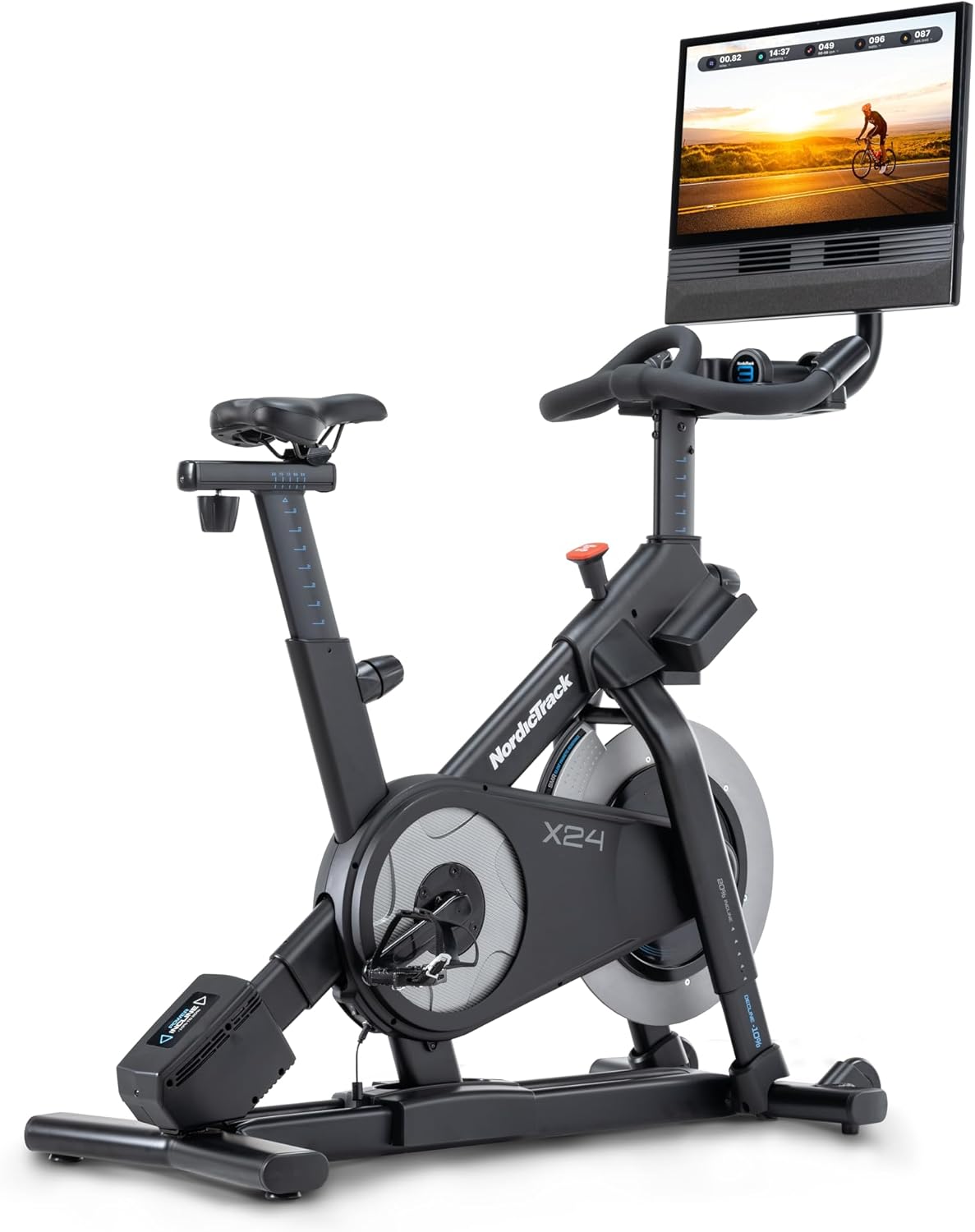
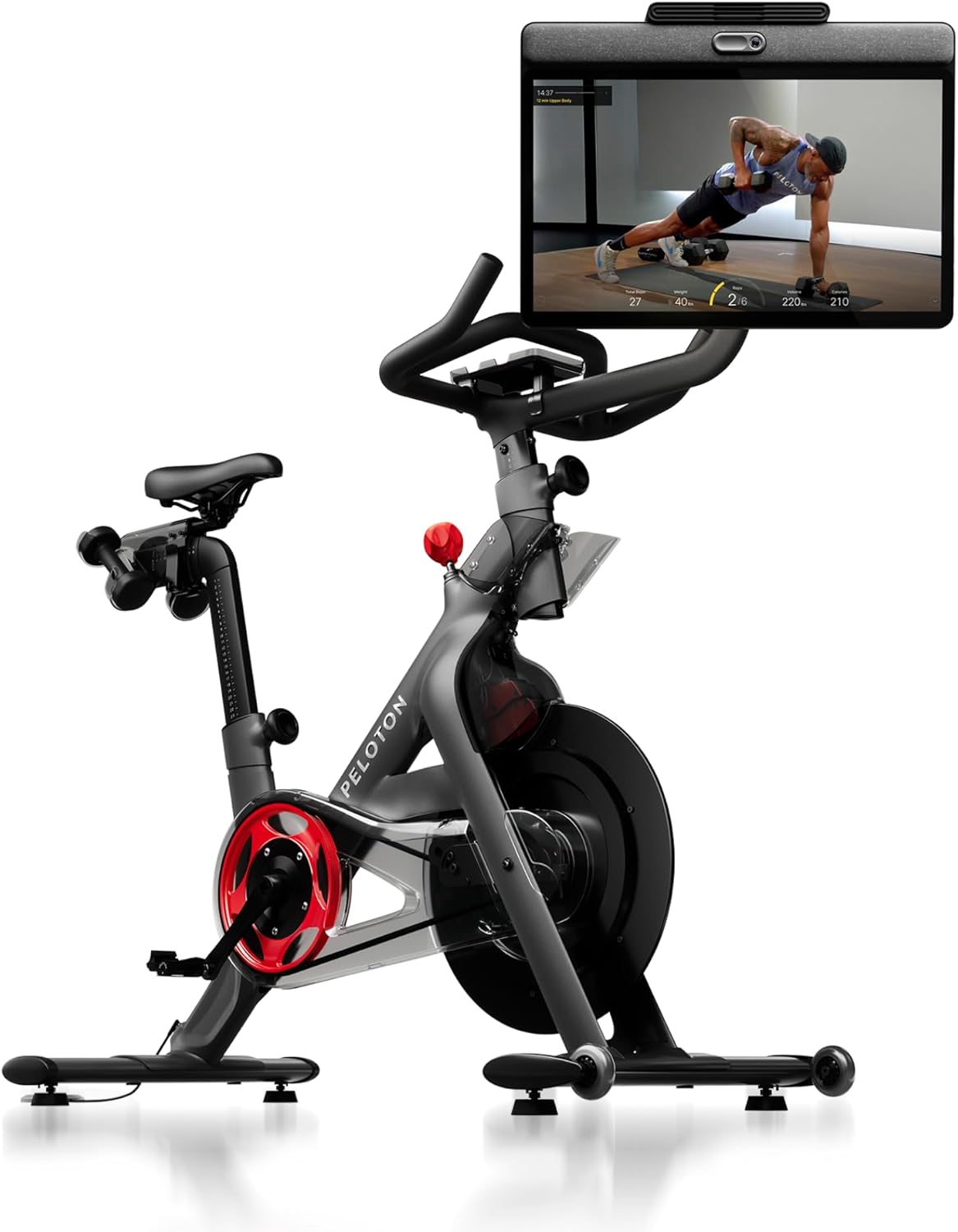
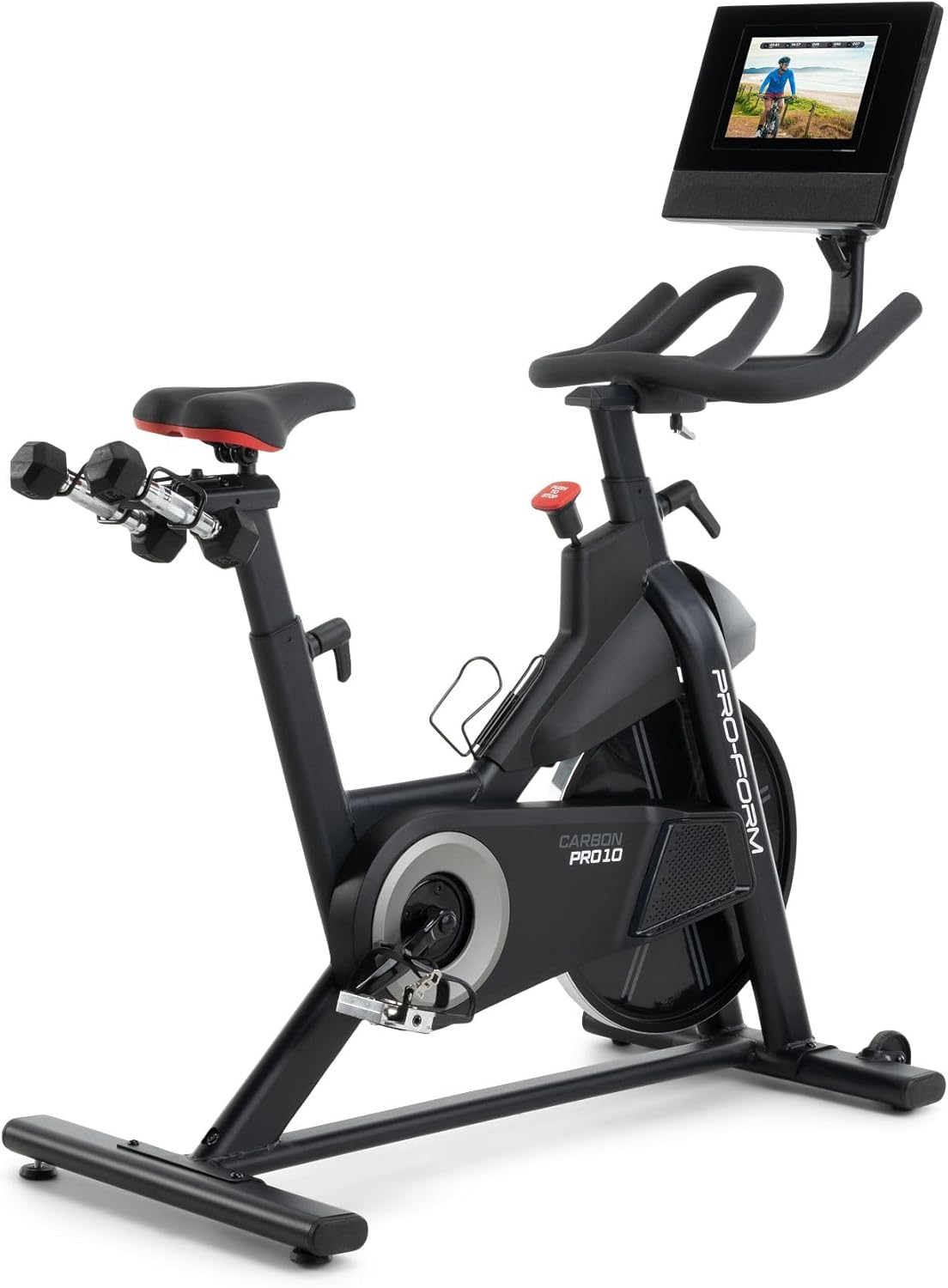
Technology and connectivity have become increasingly common in modern exercise bikes. Many models offer Bluetooth connectivity, integrated displays, or compatibility with training apps that provide guided workouts and performance tracking. These features can enhance motivation and structure, particularly for users who enjoy interactive or instructor-led training. However, technology should complement reliability, not replace it, and buyers should consider whether advanced features align with their training habits.
Exercise bike prices vary widely depending on build quality, resistance type, and included features. Entry-level bikes may suit casual riders or light use, while mid-range models often balance durability and functionality for regular training. Higher-end bikes typically emphasize performance, heavier frames, and advanced technology. Comparing price ranges and considering new, used, or refurbished options can help identify better value without overspending.
This page organizes exercise bike options into clear product comparisons so you can browse models side by side. Each product page highlights key specifications, typical pricing, and intended use cases, helping you understand how different bikes compare. Instead of navigating multiple retailer listings, you can explore exercise bike options in one place and move toward a confident purchase decision.
As Versaly continues to expand, coverage of exercise bikes will grow to include more models, deeper comparisons, and improved navigation between similar products. For now, start by browsing the exercise bike listings below to explore available options and compare models that fit your training style, space, and budget.