
Home Gyms – Compare All-in-One & Multi-Function Training Systems
Home gyms are designed to provide a versatile strength-training solution in a single, consolidated system. By combining multiple workout functions into one machine, home gyms allow users to train the upper body, lower body, and core without needing a full room of separate equipment.

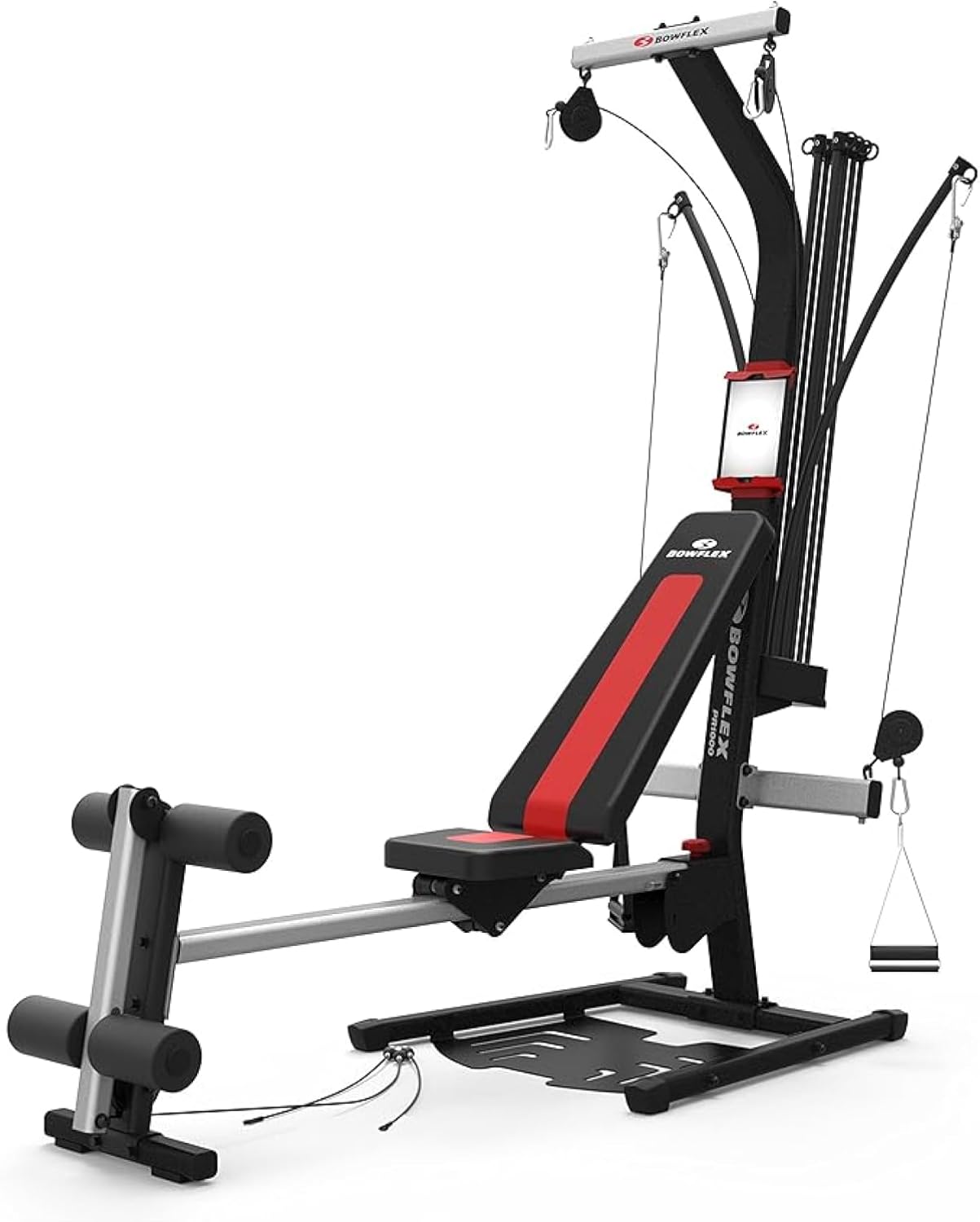
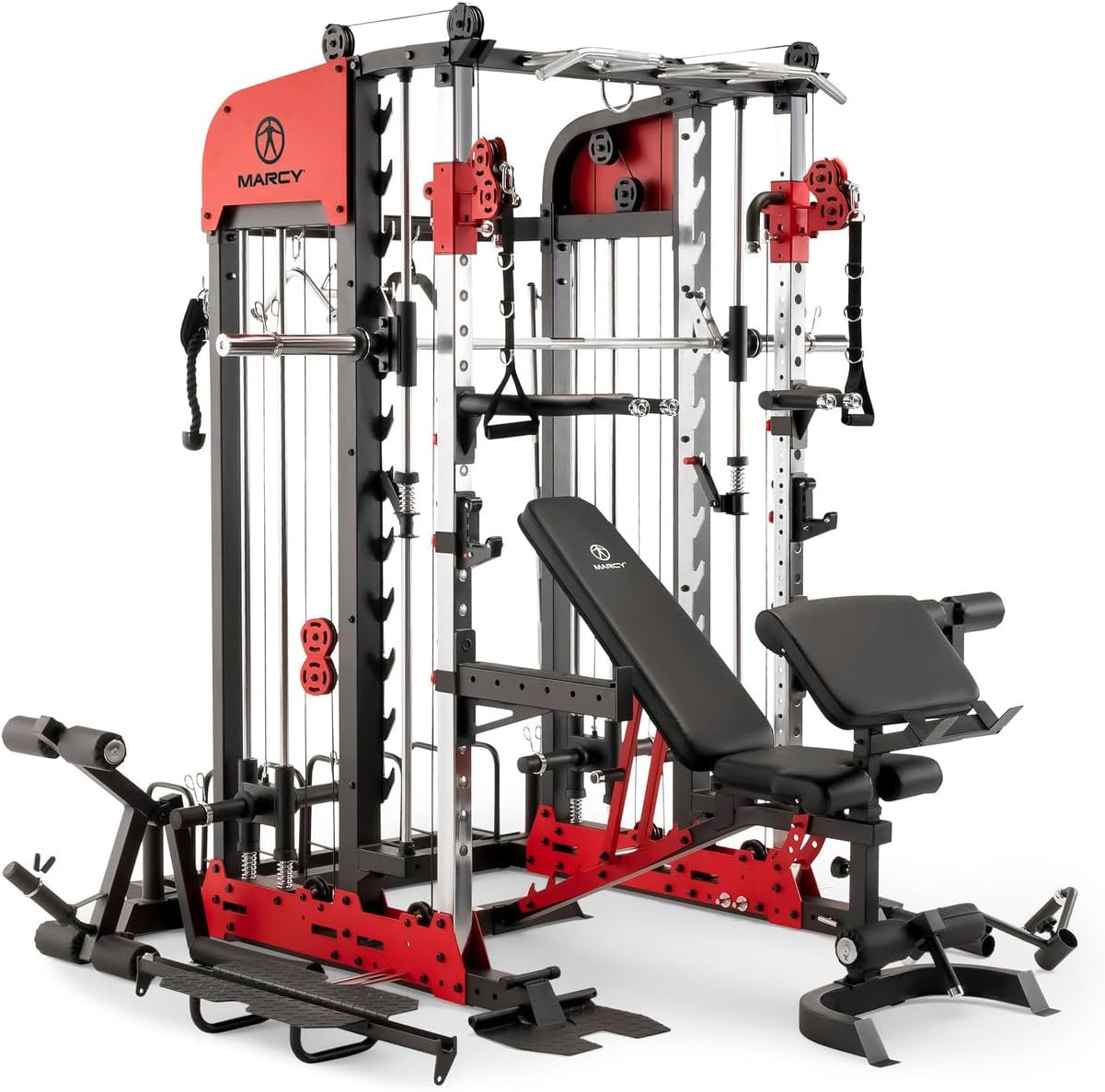
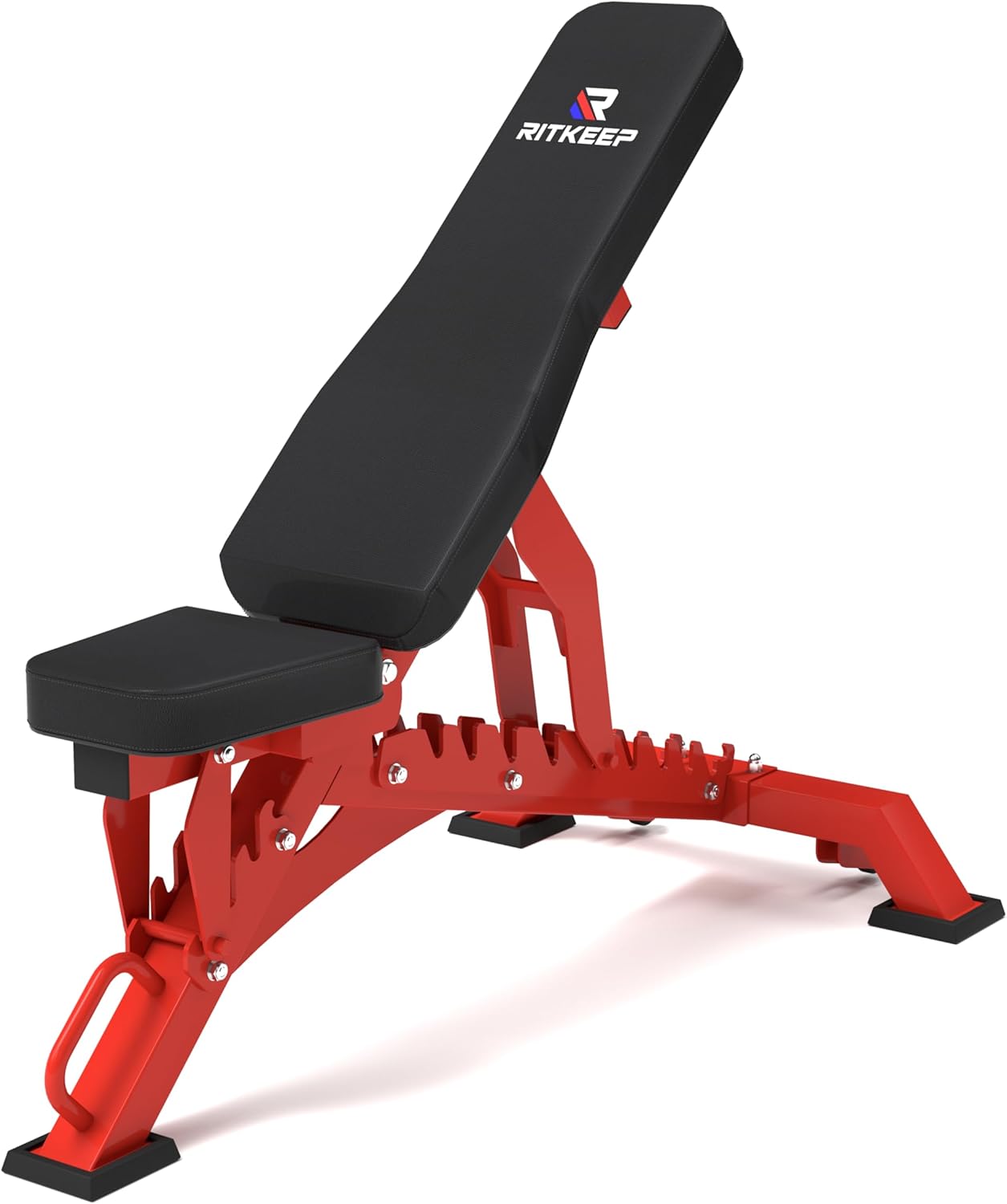

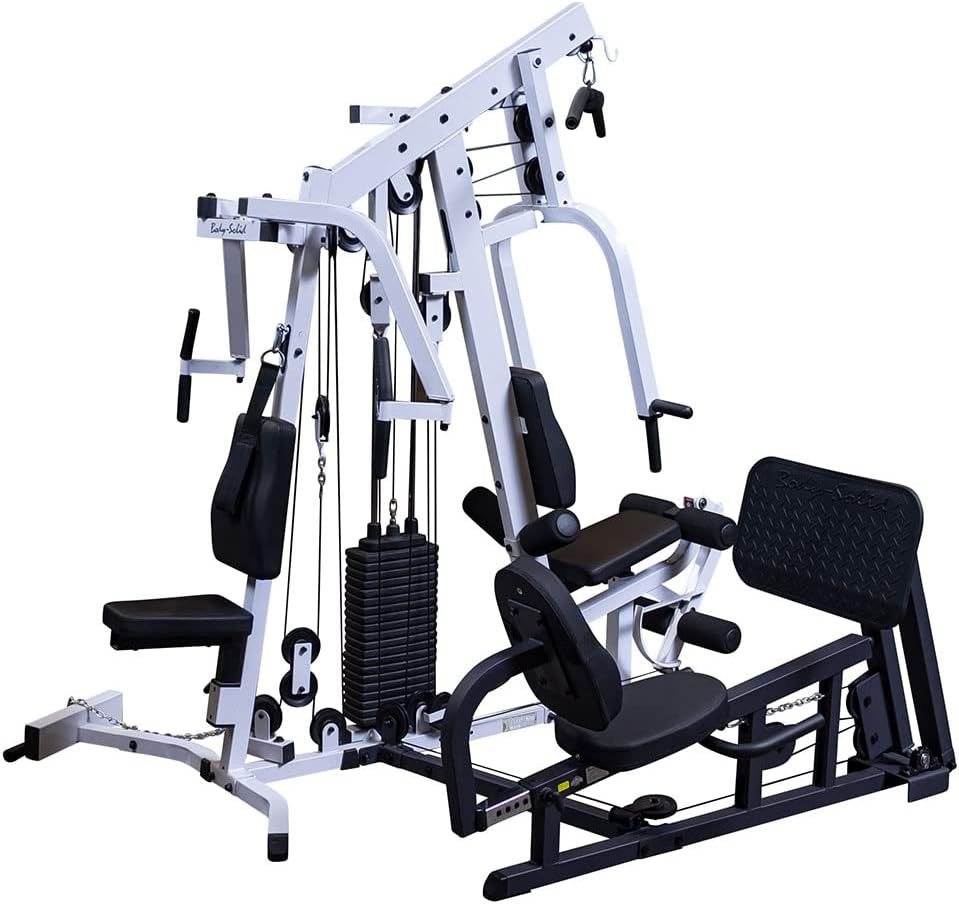


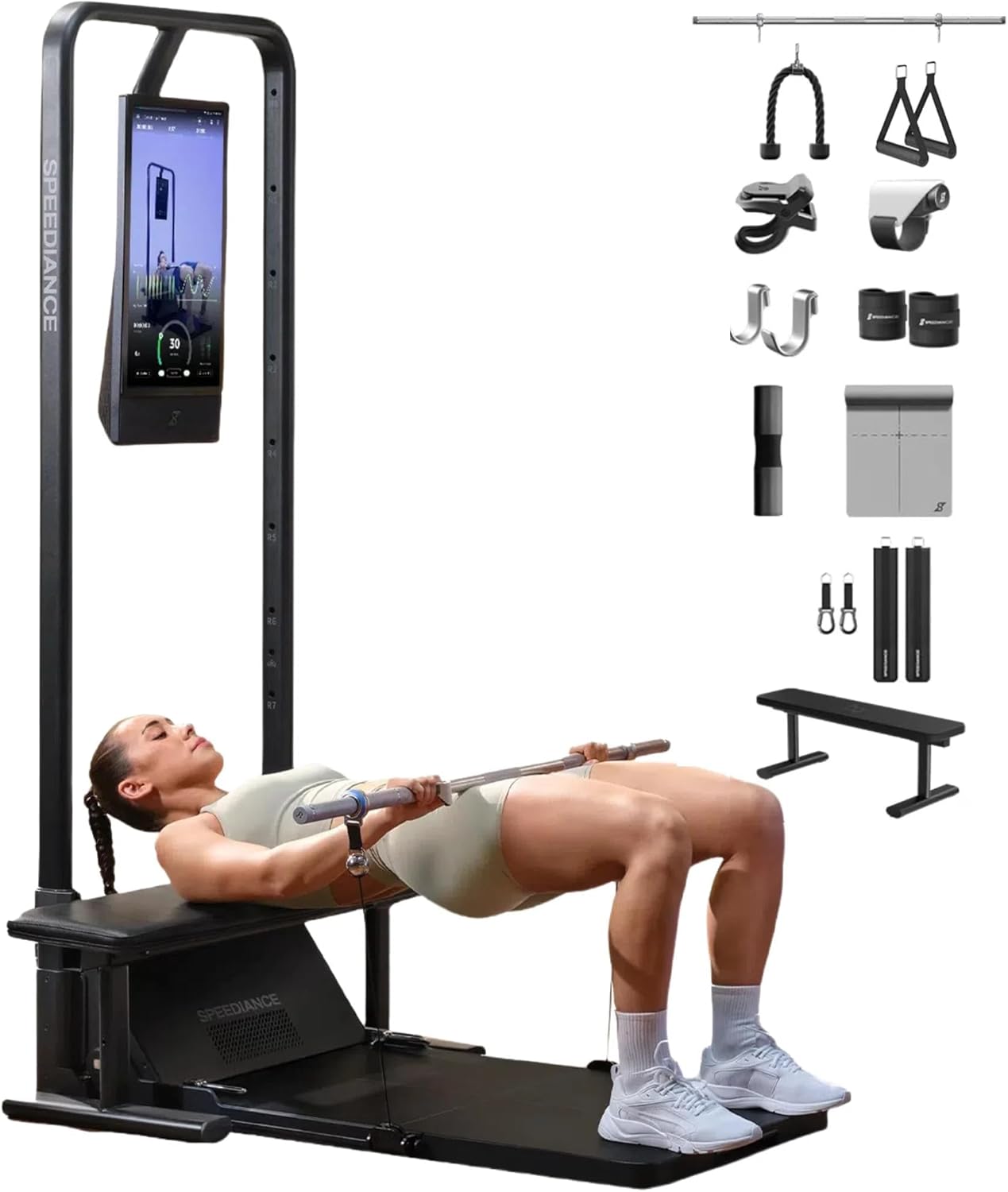

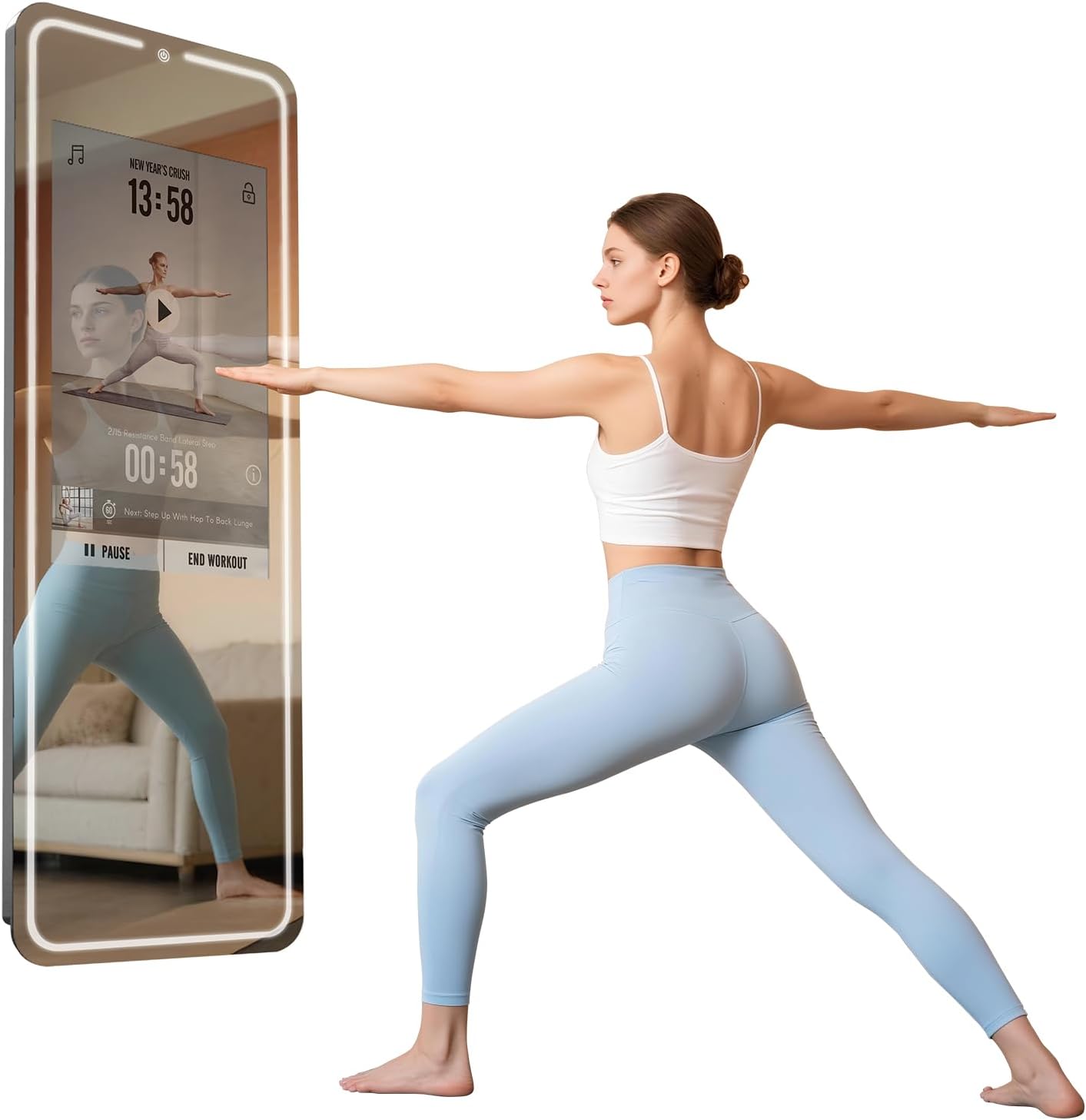

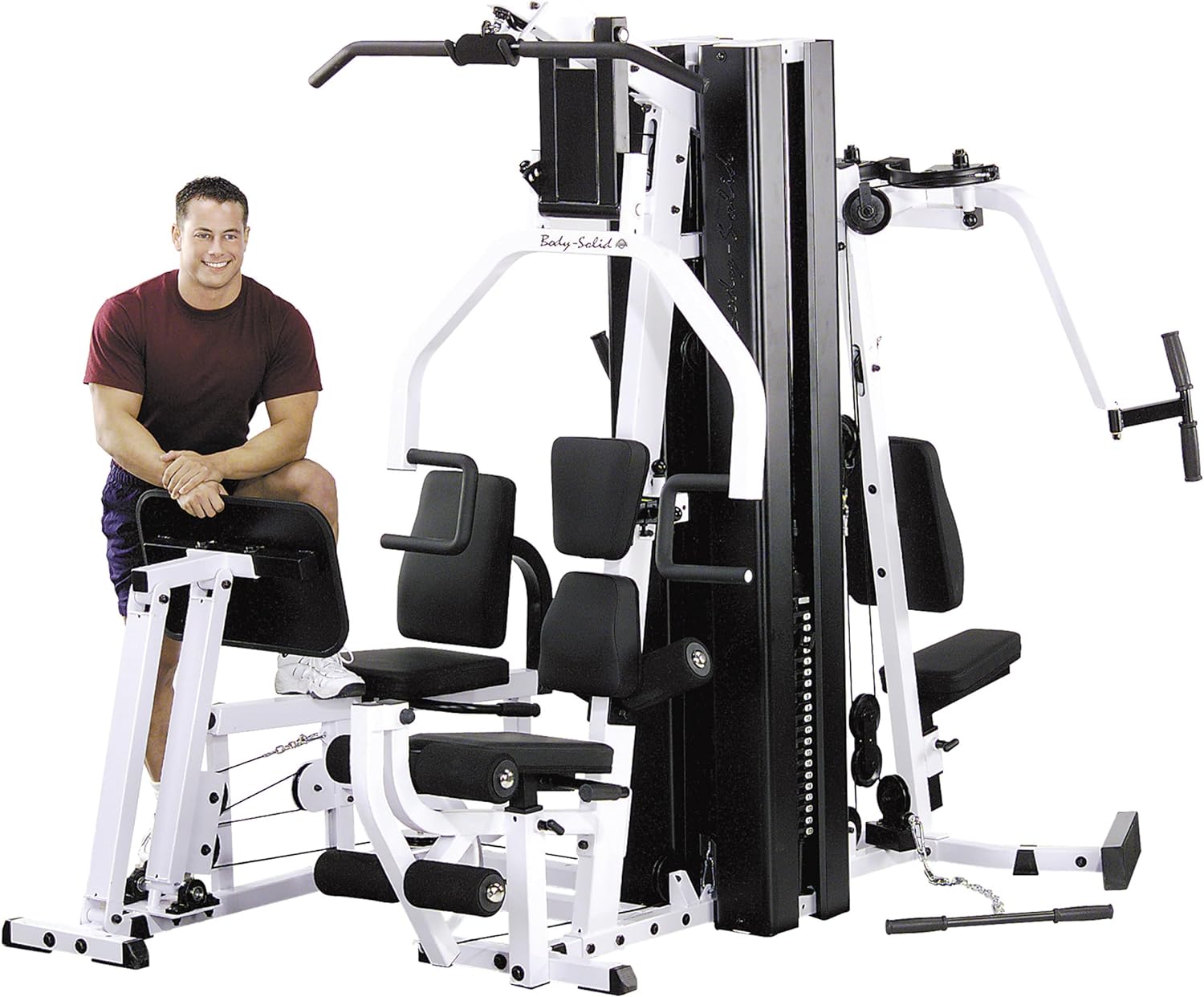


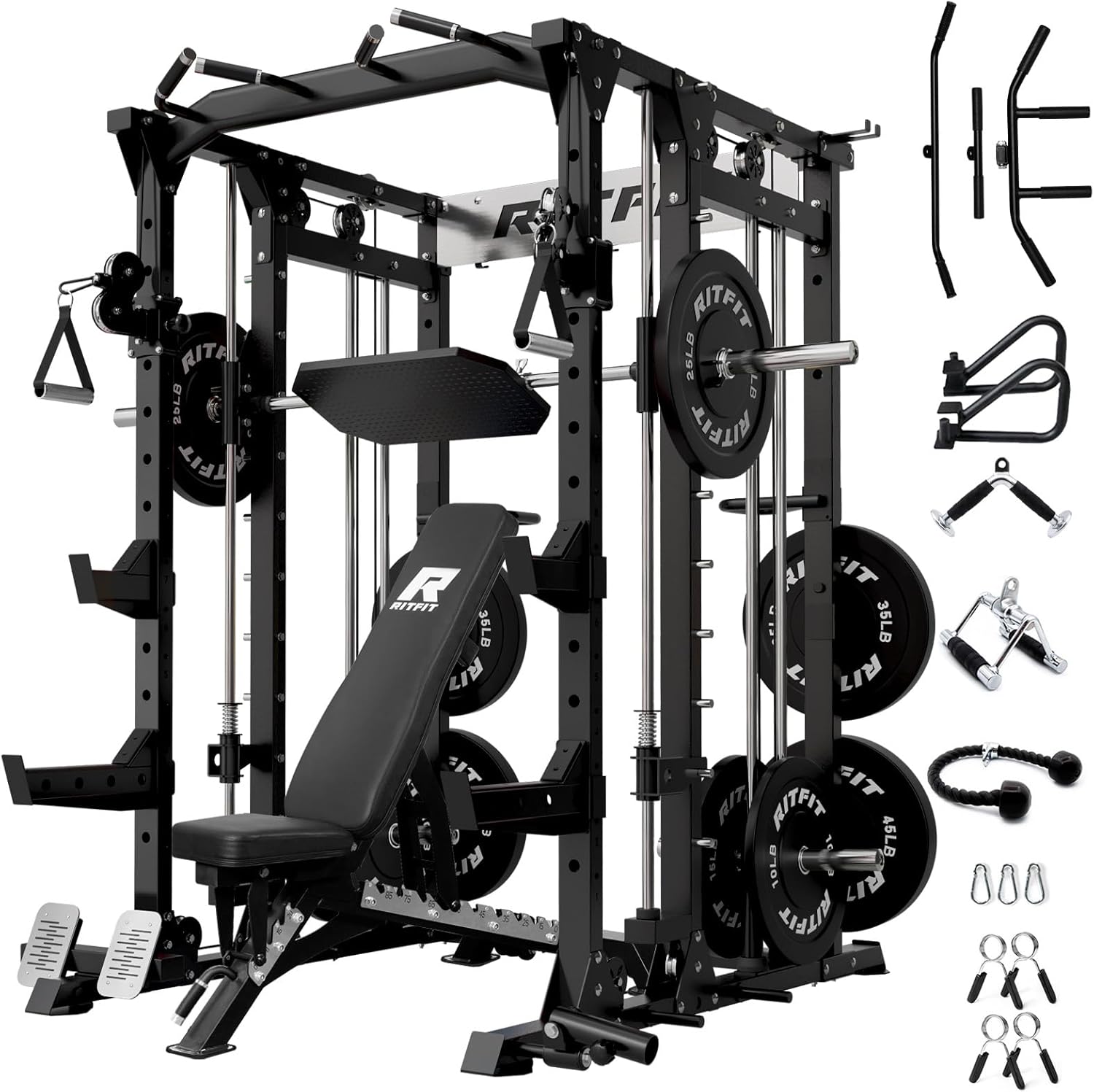
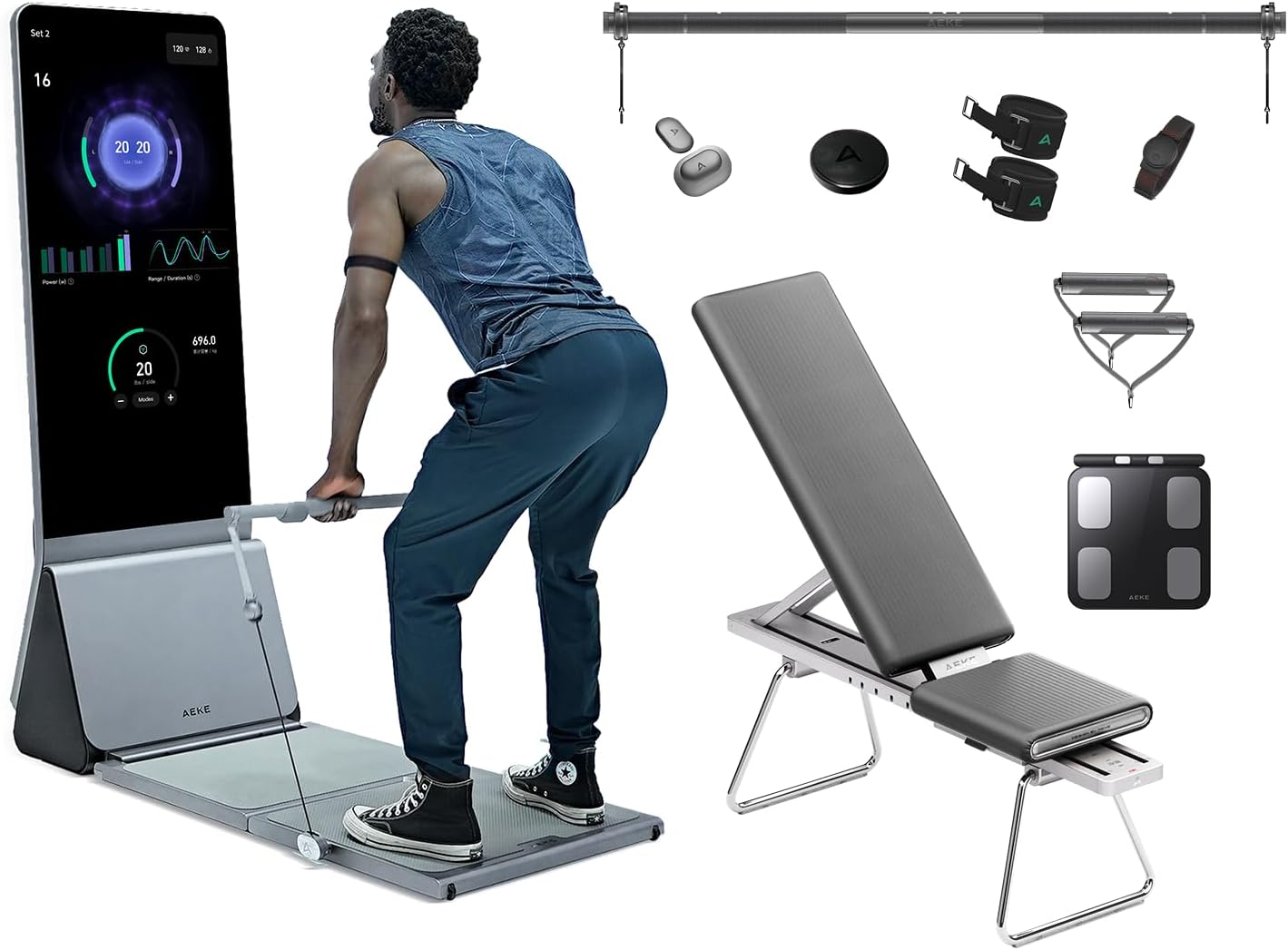


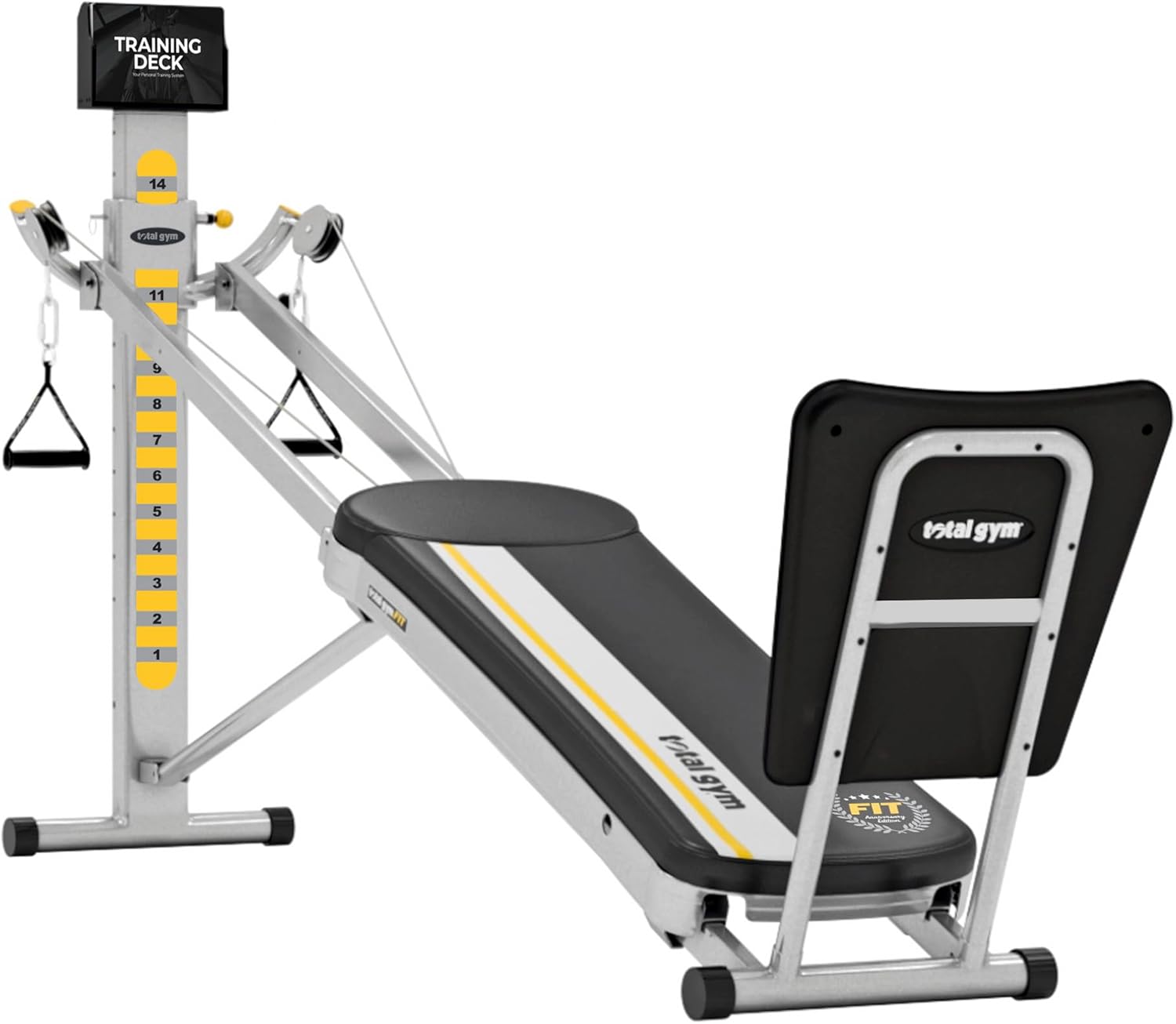
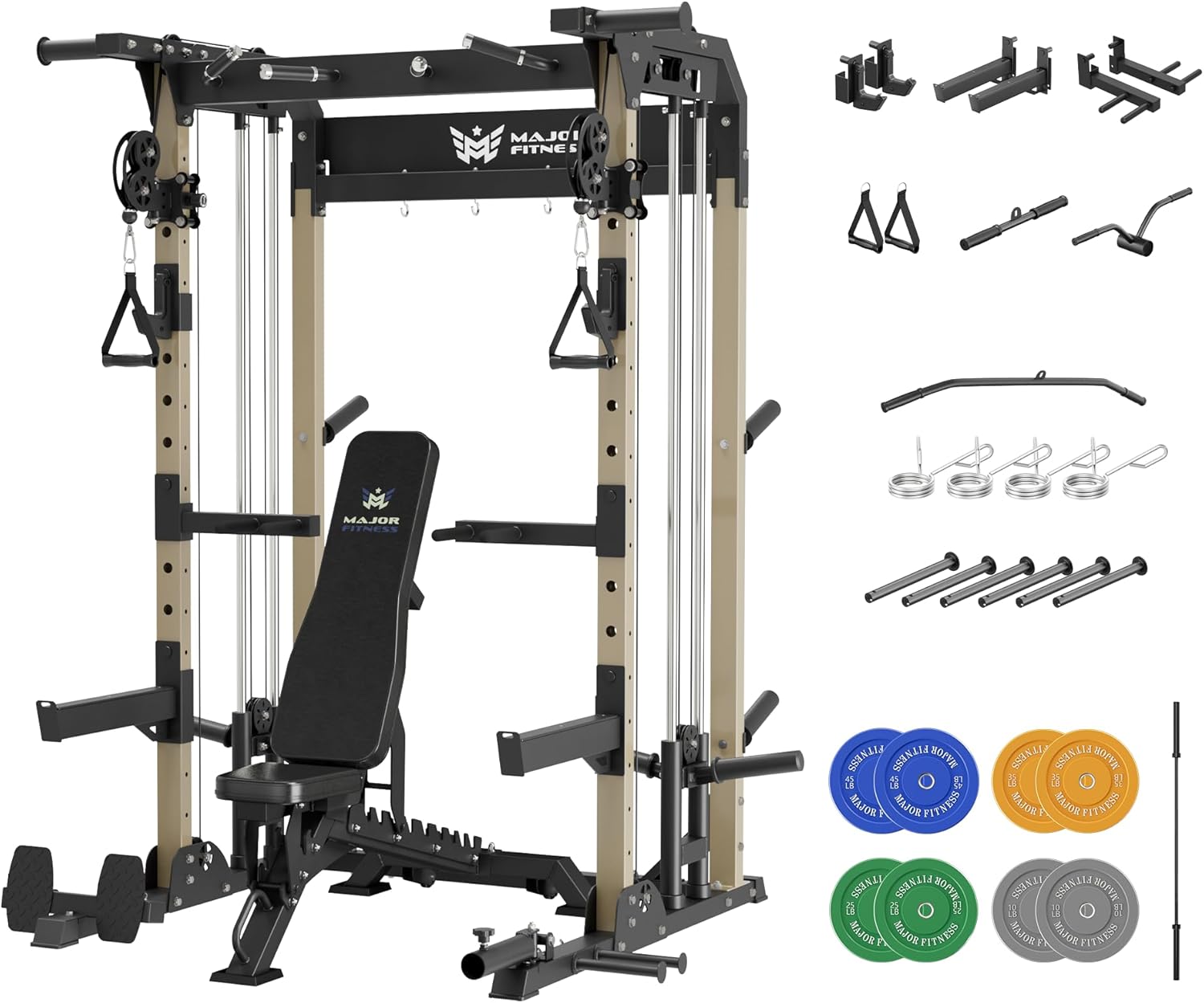

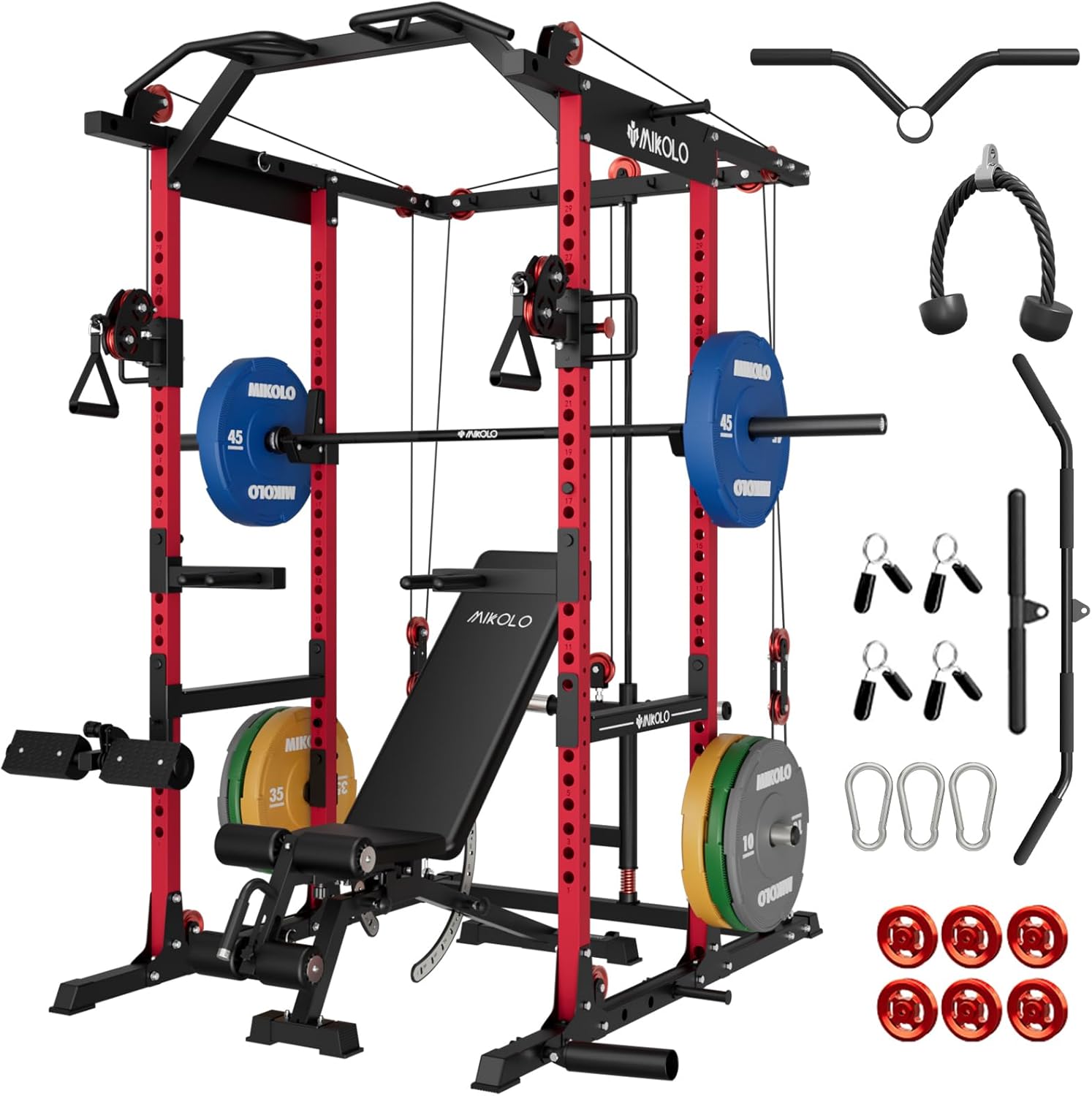

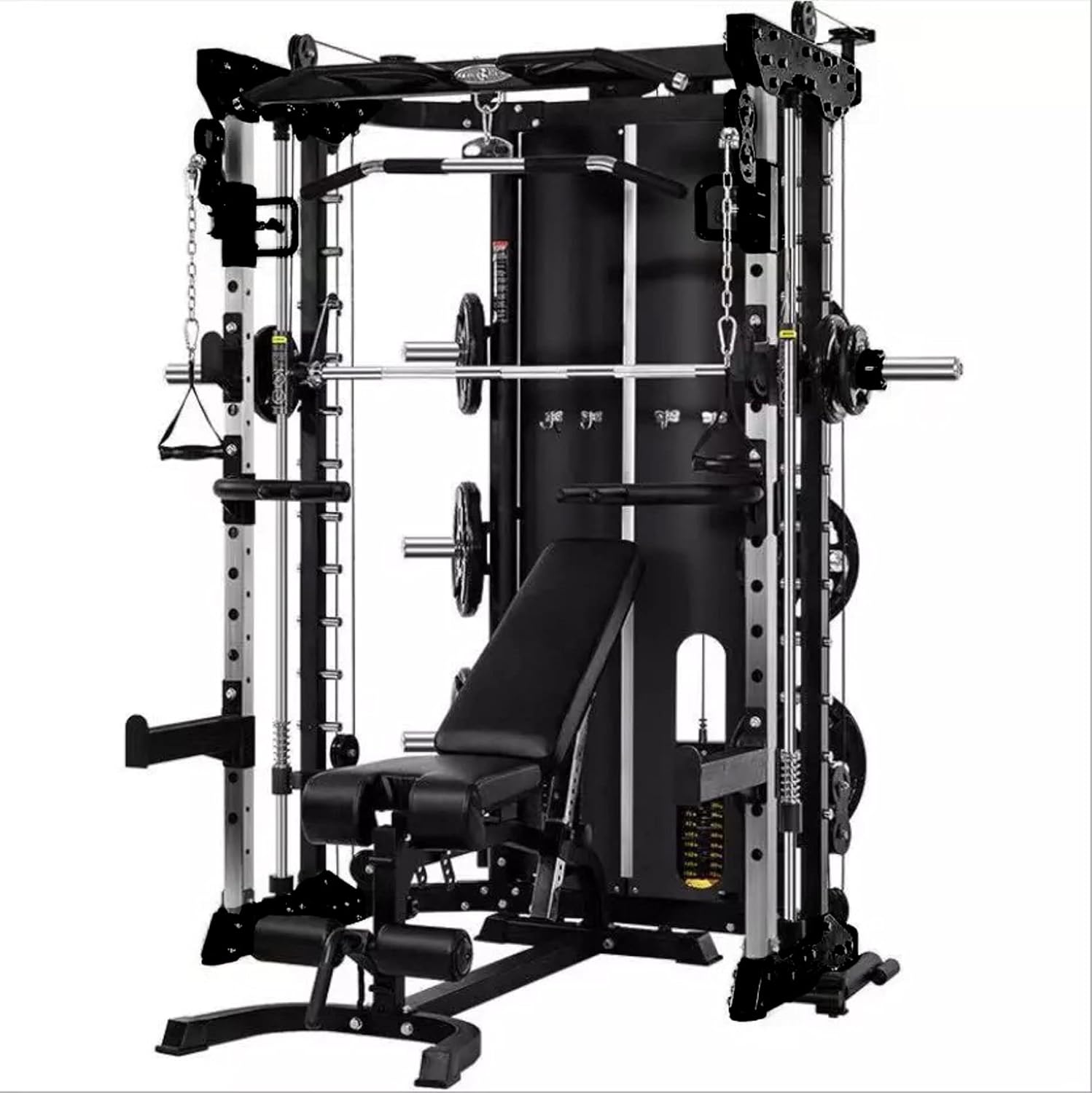
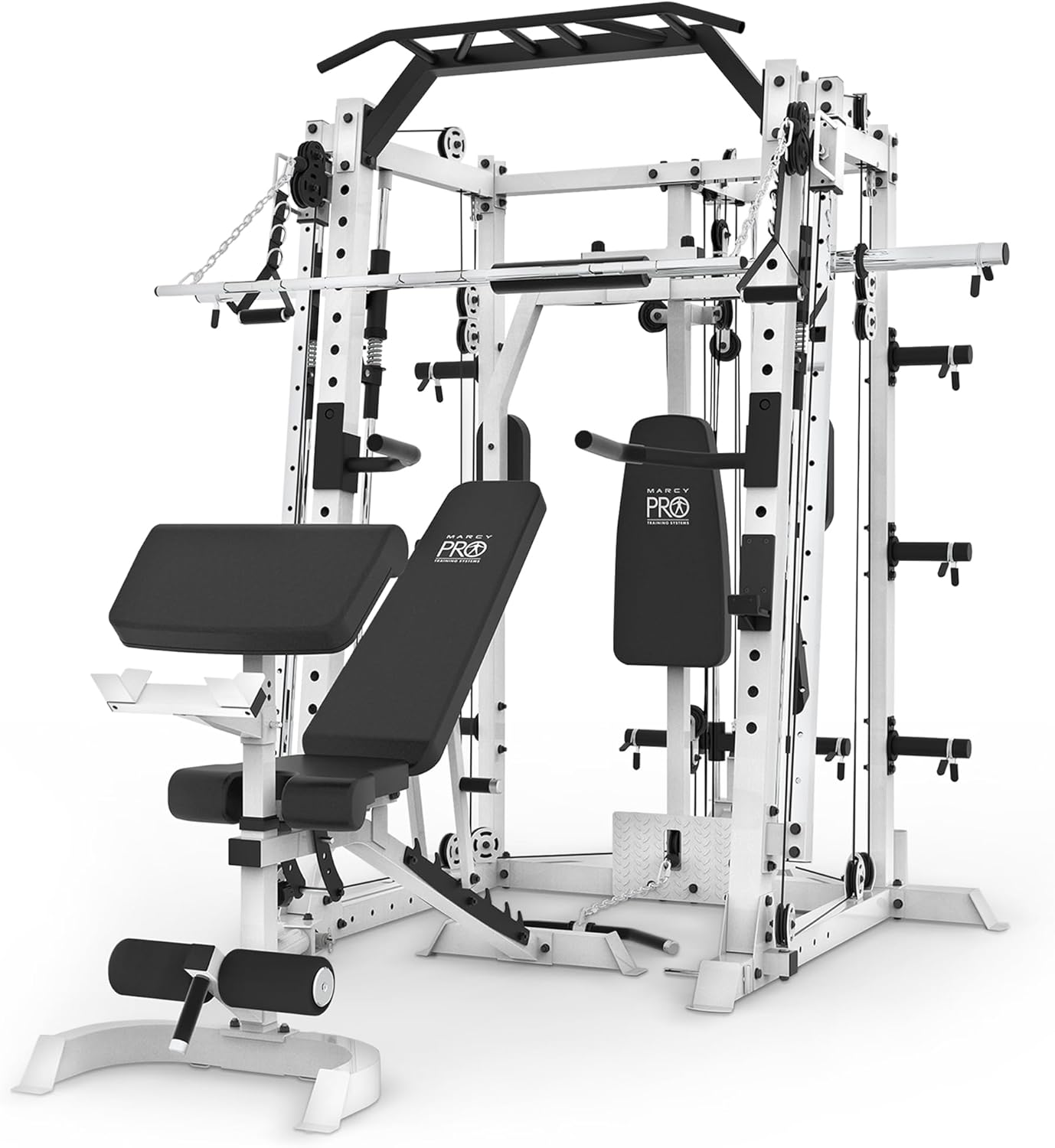
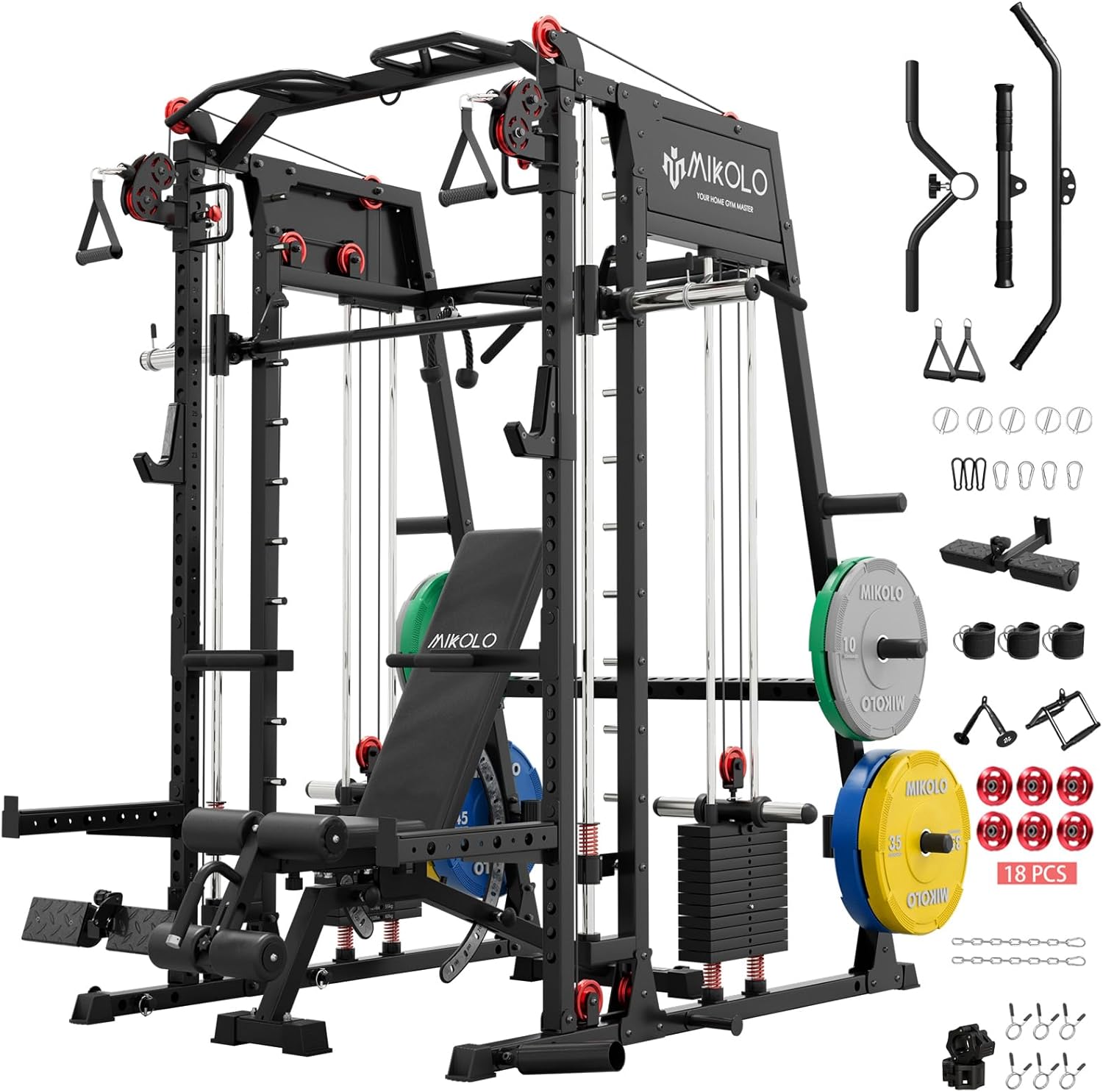


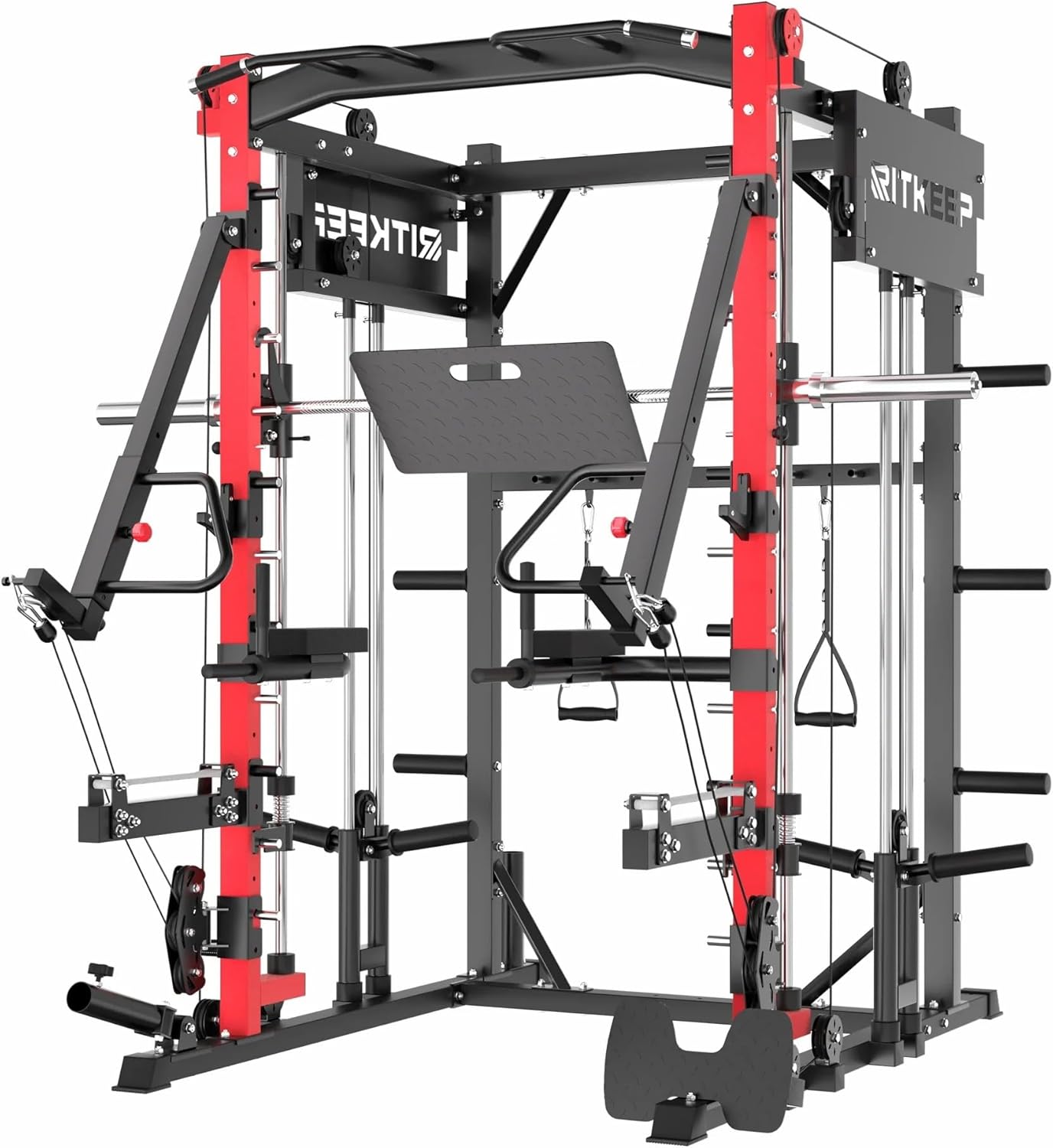


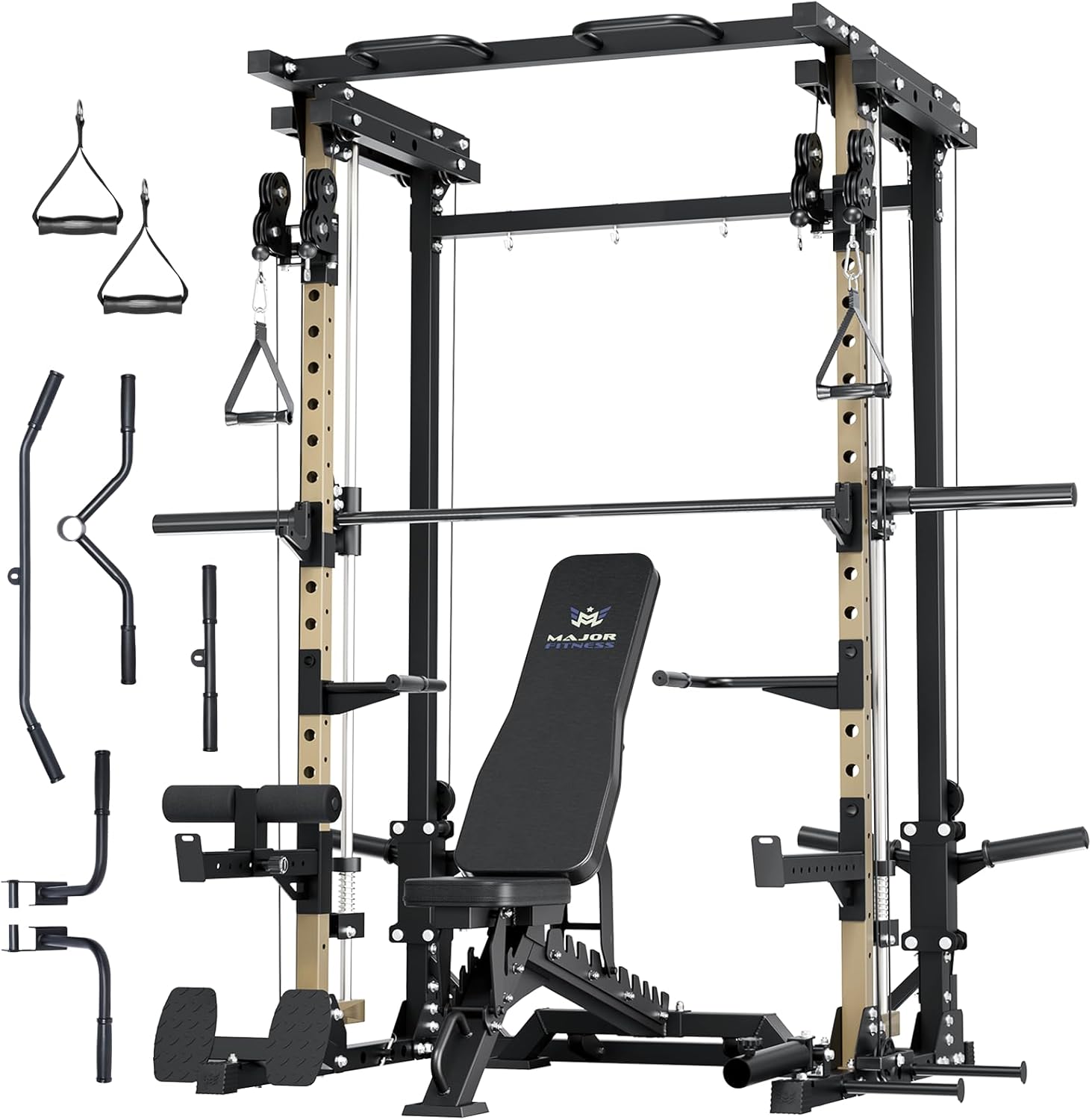

This makes them a popular choice for users building a complete training setup in limited space. This page helps you compare home gym systems across designs, resistance types, and use cases so you can choose the right solution for your training goals and environment.
The home gym market includes a wide range of systems, from compact all-in-one machines to more advanced functional trainers with dual adjustable pulleys. Some home gyms are designed for general strength training and convenience, while others focus on progressive resistance, cable-based movement, and heavier workloads. Understanding these differences is important, as not all home gyms offer the same level of flexibility or long-term progression.
Resistance type is a key factor when comparing home gyms. Many traditional home gyms use weight stacks, which provide consistent resistance and are easy to adjust between exercises. These systems are often beginner-friendly and well-suited for structured workouts. Other home gyms rely on plate-loaded resistance, allowing users to increase load over time using standard weight plates. Plate-loaded systems can offer greater long-term strength potential but may require more setup and familiarity with proper lifting technique.
Functional trainers are a popular category within home gyms. These systems use adjustable pulleys and cable resistance to support a wide range of exercises, from chest presses and rows to rotational movements and lower-body work. Functional trainers emphasize freedom of movement and versatility, making them suitable for strength training, rehabilitation, and athletic conditioning. When comparing functional trainers, factors such as pulley ratio, frame stability, and cable smoothness can significantly impact performance.
Space requirements are an important consideration when choosing a home gym. Some systems are designed to fit into small rooms or garages, while others require higher ceilings and more floor space. Folding or wall-mounted designs can be useful for users with limited room, allowing equipment to be stored when not in use. Comparing dimensions and clearance requirements helps ensure the home gym fits comfortably within your available space.
Exercise variety is another major advantage of home gyms. Many systems support dozens of exercises targeting different muscle groups, reducing the need for additional equipment. Adjustable arms, multiple pulley positions, and interchangeable attachments increase versatility and allow workouts to evolve over time. When comparing home gyms, it’s helpful to consider how easily the system adapts to different exercises and whether adjustments are intuitive and efficient.
Build quality and frame stability play a critical role in safety and longevity. A well-constructed home gym such as the NordicTrack Fusion CST Home Gym should feel solid during use, even under heavier loads. Thicker steel frames, reinforced joints, and smooth cable systems contribute to a better training experience and reduce maintenance issues. Users planning frequent or intense workouts may benefit from heavier-duty designs that prioritize durability over compactness.
Comfort and ergonomics also affect usability. Adjustable seats, backrests, and leg supports help accommodate different body sizes and exercise positions. Proper alignment improves comfort and reduces strain during workouts, particularly for longer sessions. When comparing home gyms, small ergonomic details can make a noticeable difference in overall satisfaction.
Technology features are less common in home gyms compared to cardio equipment, but some systems include digital resistance tracking, guided workouts, or app connectivity. These features can add structure and motivation for users who prefer data-driven training. However, many home gym users prioritize mechanical reliability and versatility over advanced technology, so features should align with personal training preferences.
Home gyms are often chosen for their convenience. Having a dedicated strength-training system at home eliminates travel time and allows workouts to fit more easily into daily routines. This convenience can support consistency, which is one of the most important factors in long-term fitness progress. Comparing systems based on ease of use and setup can help ensure the home gym becomes a regular part of your routine rather than unused equipment.
Price ranges for home gyms vary widely depending on resistance type, build quality, and included features. Entry-level systems may be suitable for beginners or light use, while mid-range home gyms often balance versatility and durability for regular training. Higher-end systems typically emphasize heavy-duty construction, smoother resistance, and expanded exercise options. Comparing new, used, and refurbished home gyms can also help identify better value.
This page organizes home gym options into clear product comparisons so you can browse systems side by side. Each product page highlights key characteristics, typical pricing, and intended use cases, helping you understand how different home gyms compare. Instead of navigating multiple retailer listings, you can explore home gym options in one place and move toward a confident purchase decision.
As Versaly continues to expand, home gym coverage will grow to include more systems, deeper comparisons, and improved navigation between similar products. Start by browsing the home gym listings below to explore available options and compare systems that fit your training style, space, and budget.