
Rowing Machines – Compare Indoor Rowers for Home & Training
Rowing machines are a versatile and effective form of fitness equipment, offering a full-body workout that combines cardiovascular training with strength and endurance.



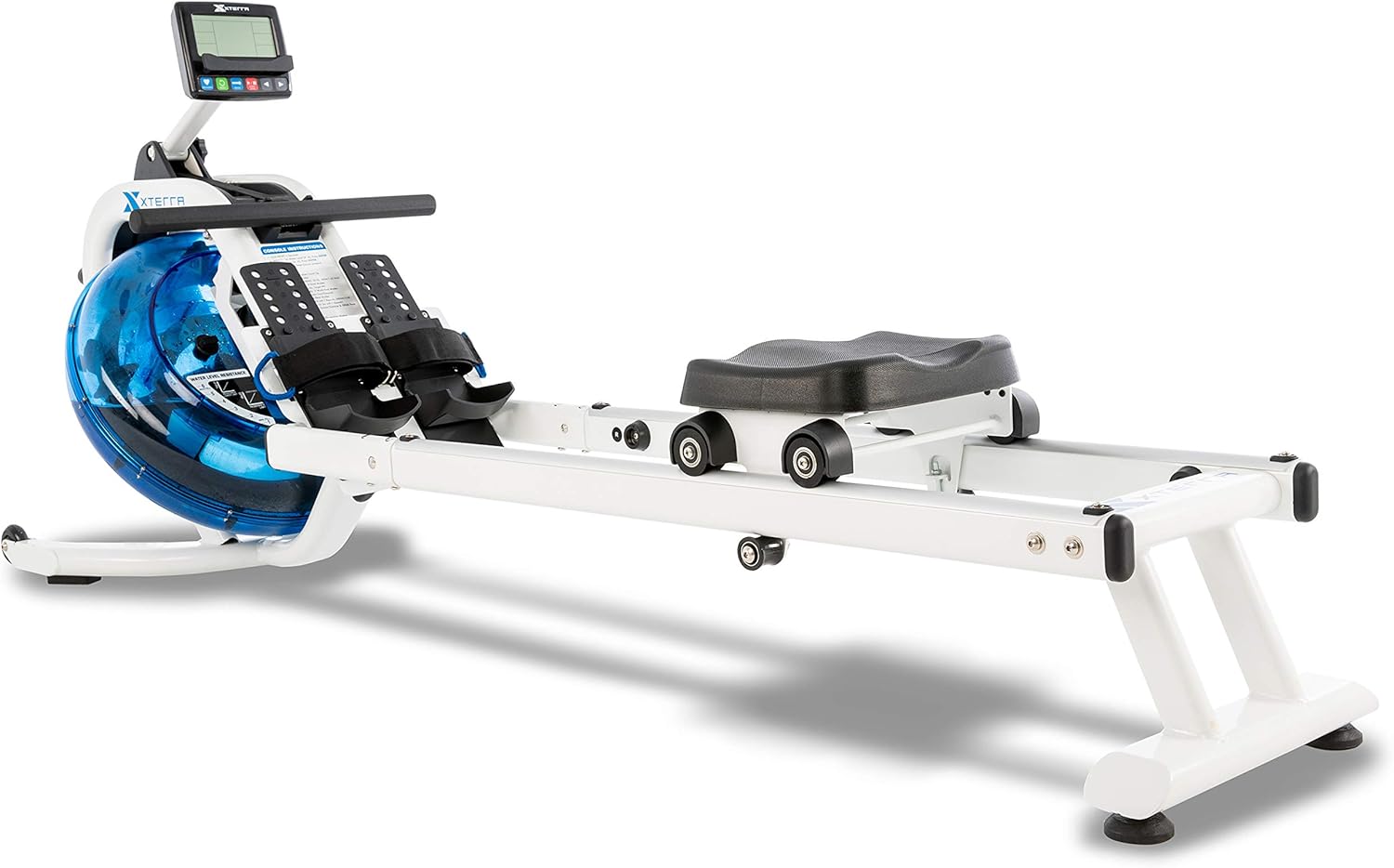
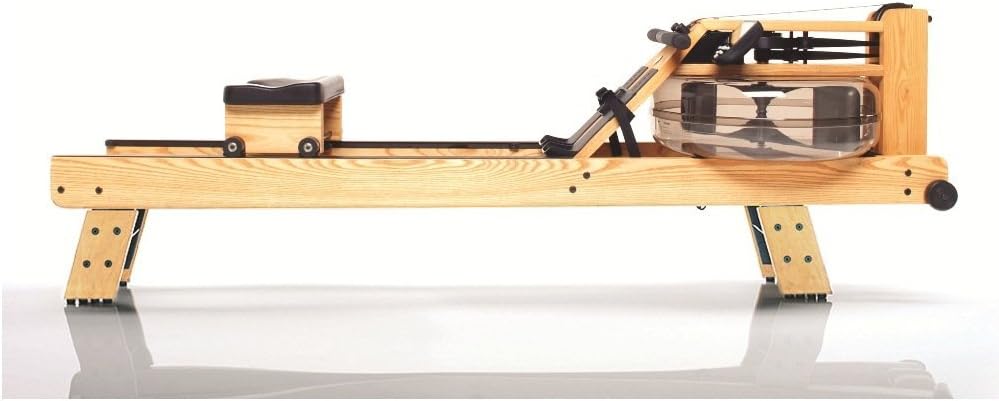
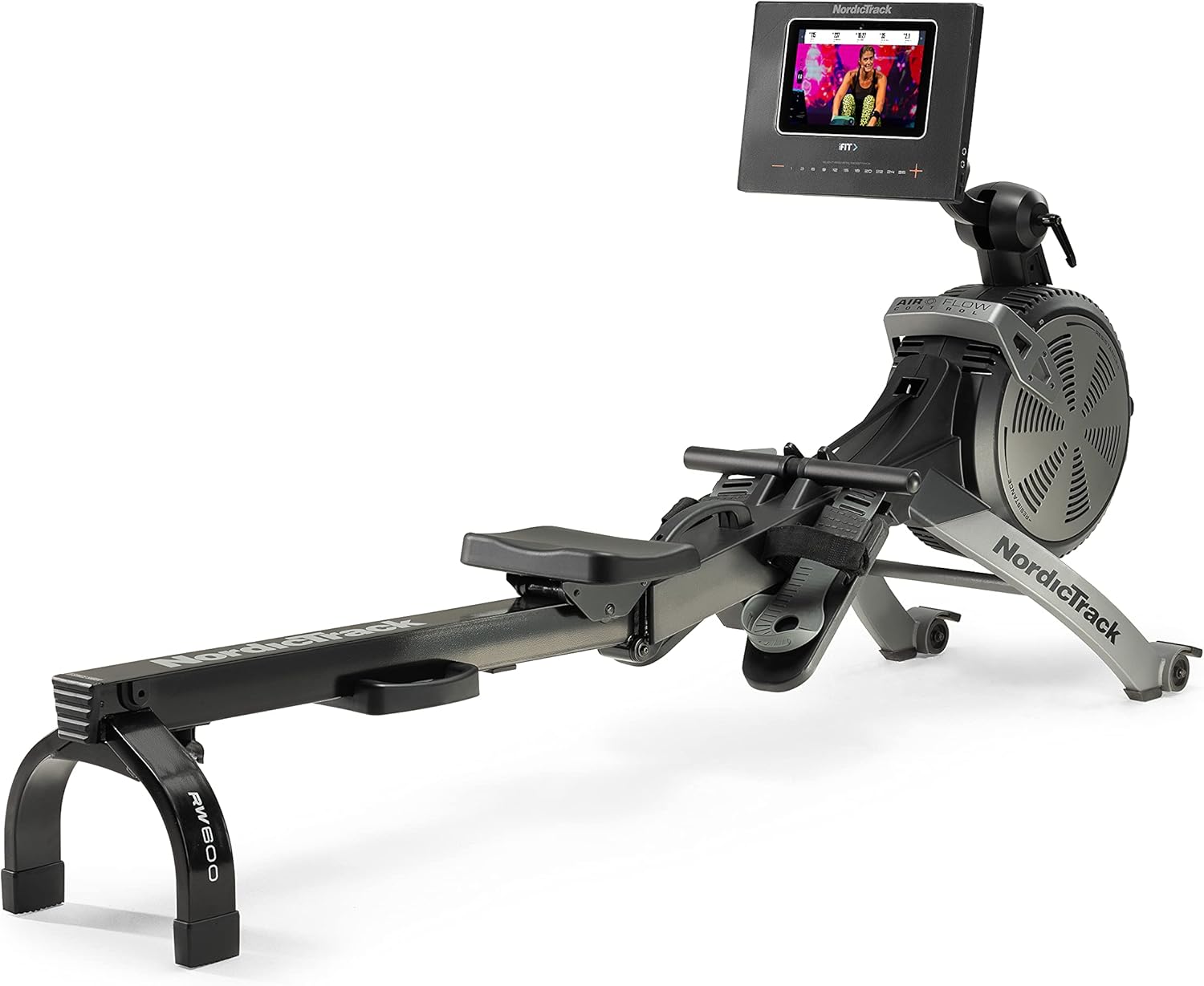
Unlike many cardio machines that focus primarily on the lower body, rowing machines engage the legs, core, back, shoulders, and arms in a single, fluid motion. This makes them a popular choice for users seeking efficient workouts that build both aerobic capacity and muscular balance. This page helps you compare rowing machines across resistance types, designs, and use cases so you can choose the right model for your space and training goals.
The rowing machine market includes a wide range of options designed for different training styles and environments. Some rowers are built for casual home use and compact storage, while others are engineered for more intense training and frequent use. Understanding how rowing machines differ in resistance systems, build quality, and overall feel is essential when comparing models, as these factors directly influence workout experience and long-term durability.
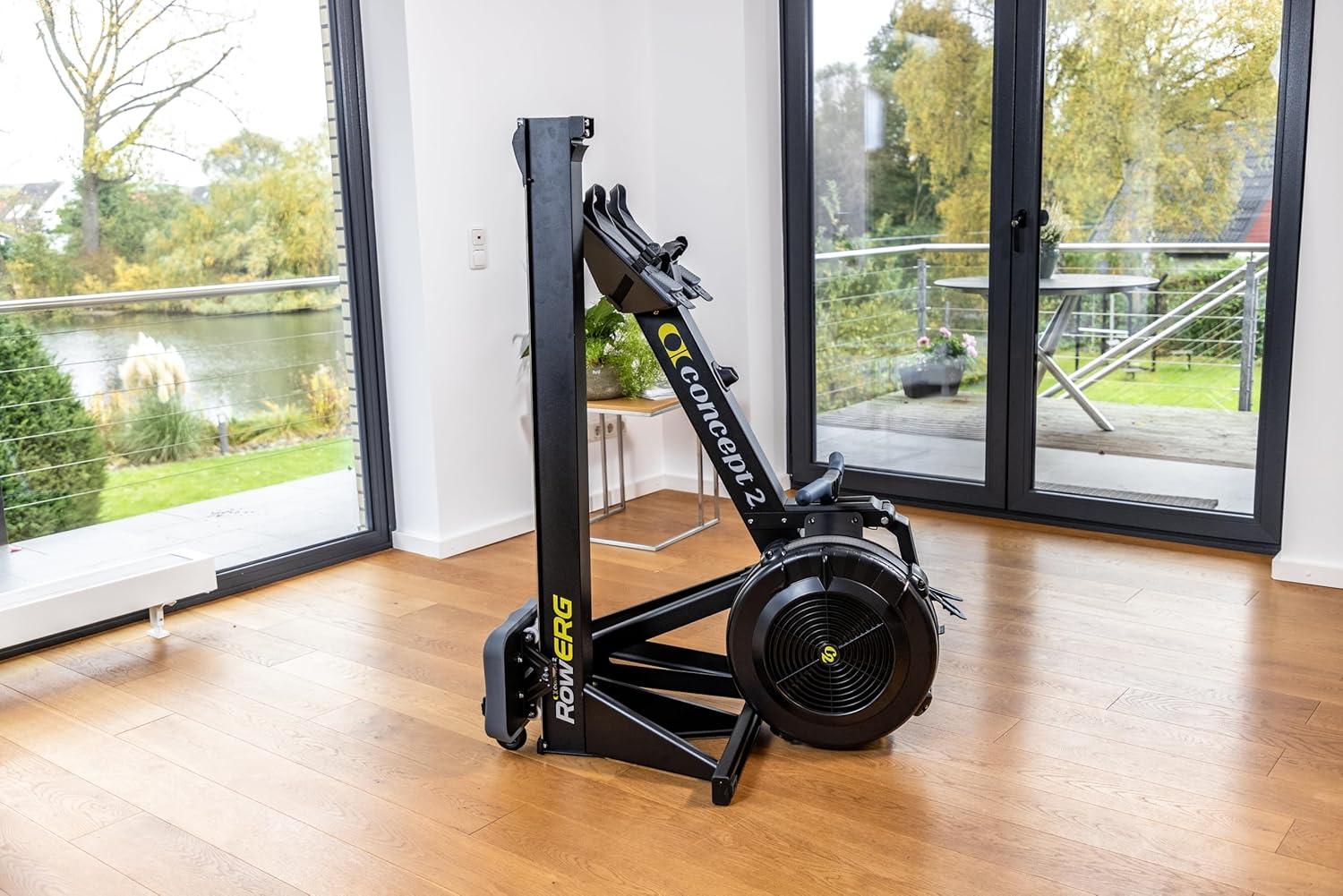
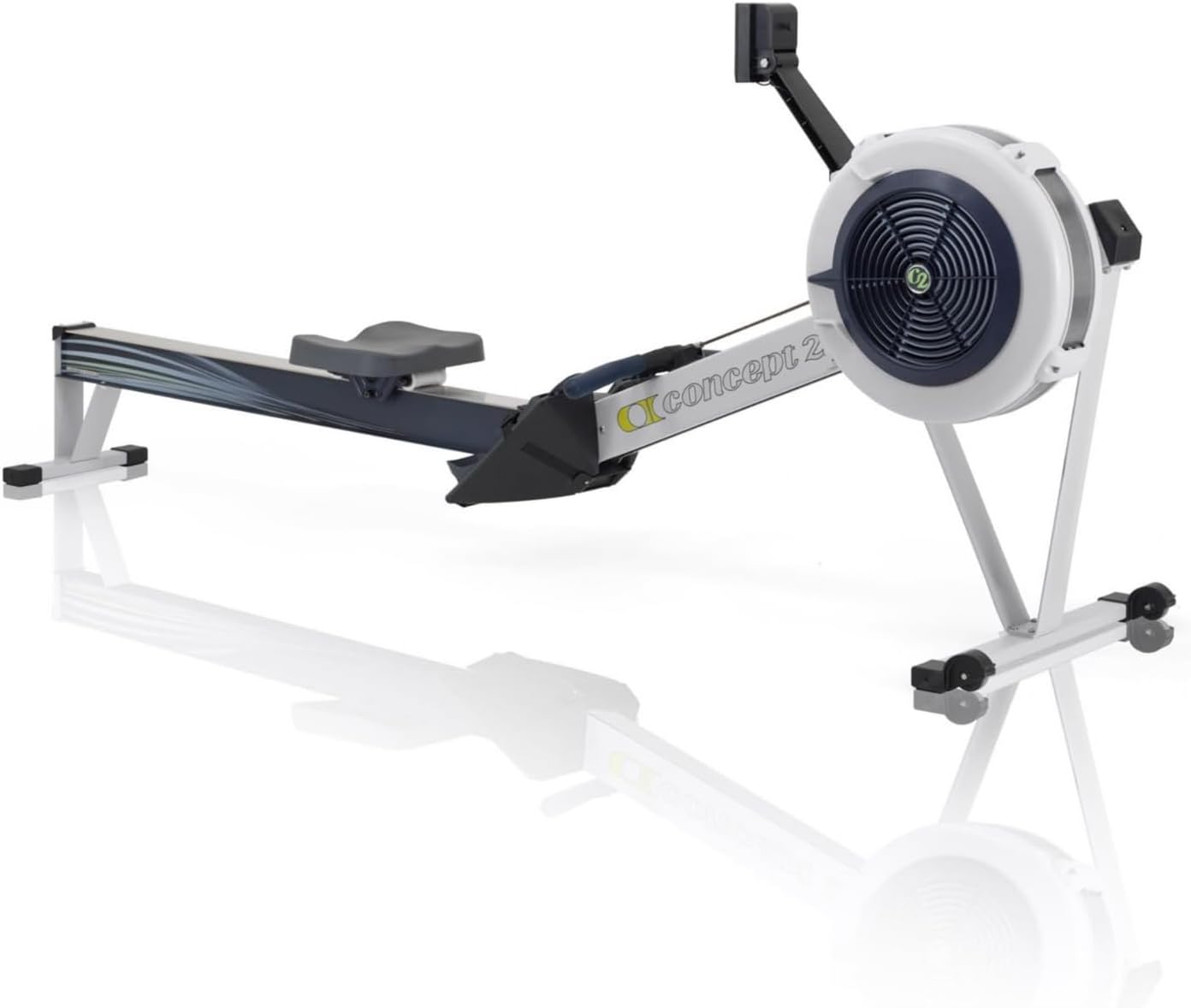
Resistance type is one of the most important considerations when choosing a rowing machine. Air resistance rowers use a fan system that increases resistance based on effort, providing a responsive and challenging workout that closely mimics on-water rowing. These machines are commonly used in gyms and by competitive rowers due to their durability and natural stroke feel. However, they can be louder than other types, which may be a factor in shared living spaces.
Magnetic resistance rowing machines use adjustable magnets to control resistance, offering smooth and quiet operation. This makes them well-suited for home environments where noise is a concern. Magnetic rowers often provide a more controlled feel and allow users to fine-tune resistance levels, though they may not replicate the dynamic response of air resistance. Some models combine magnetic systems with other resistance types to balance realism and noise reduction.
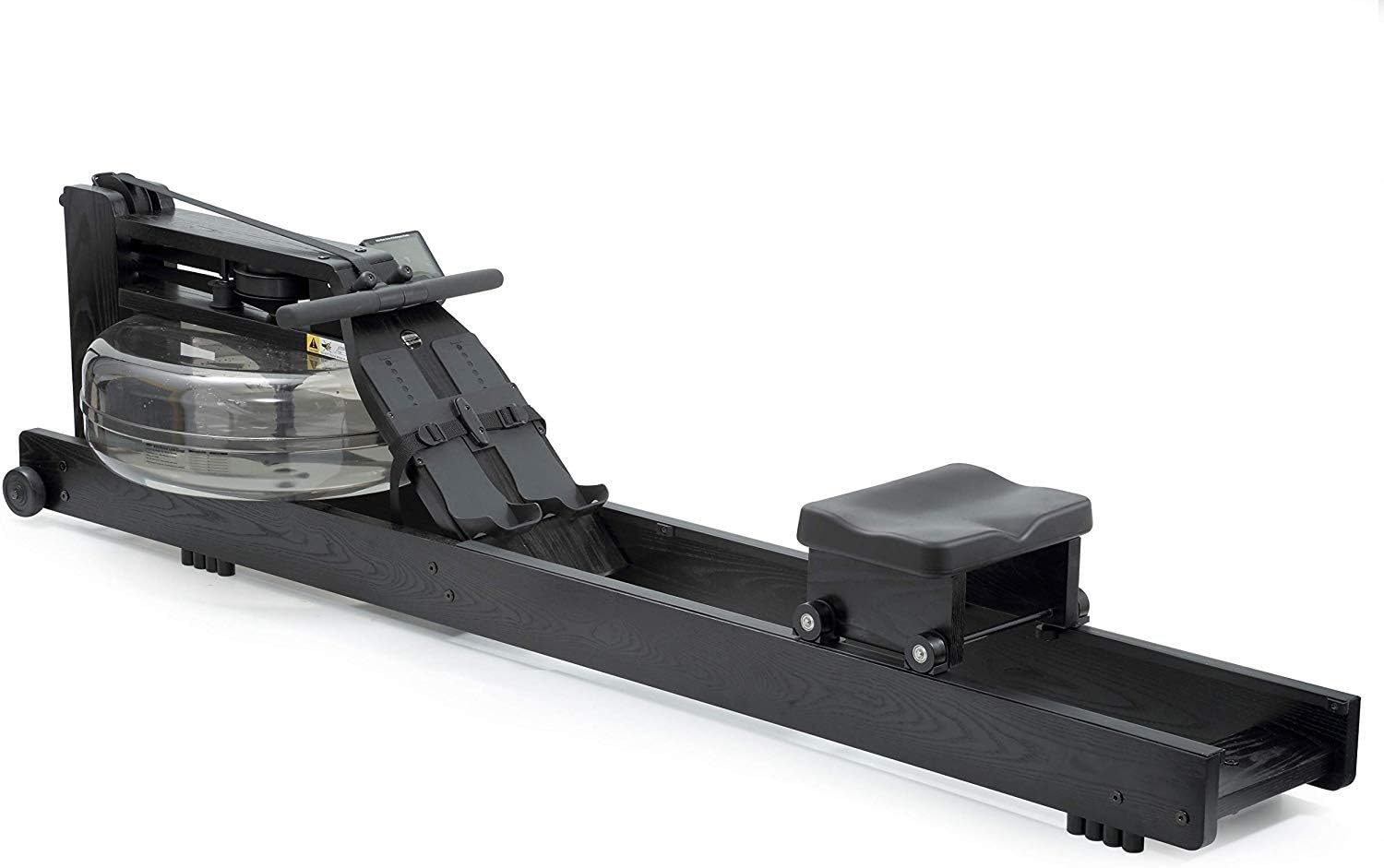
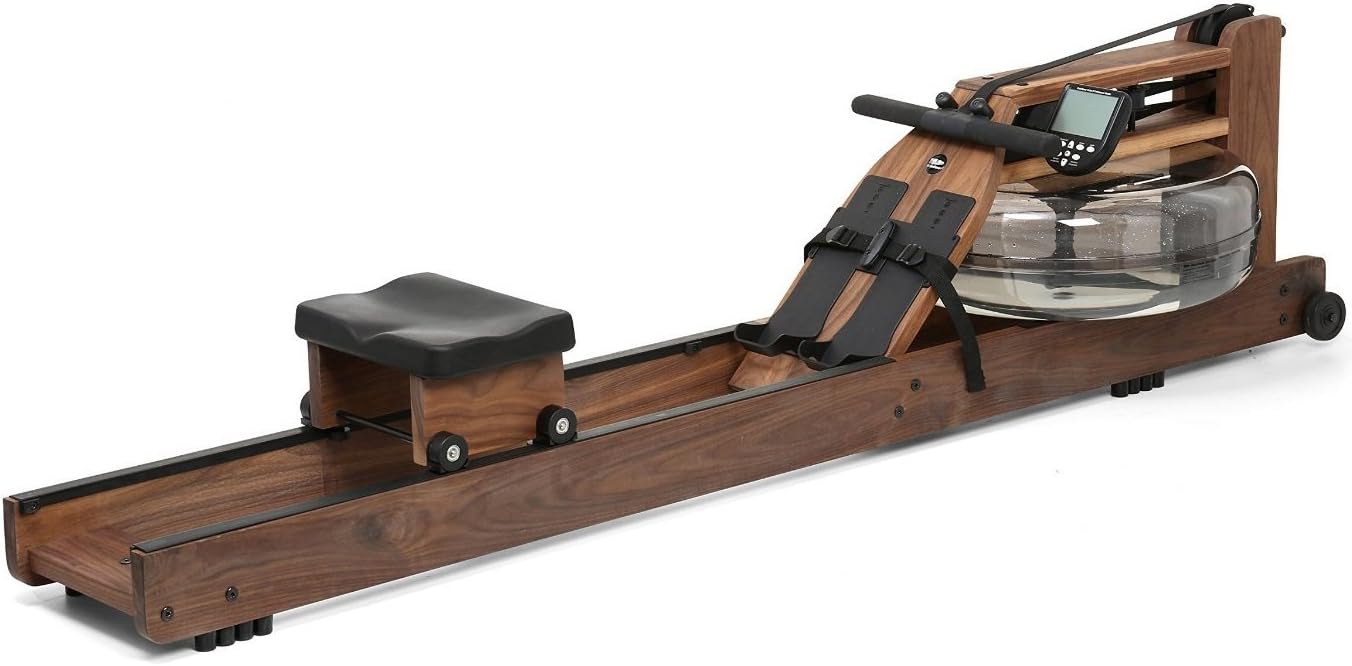
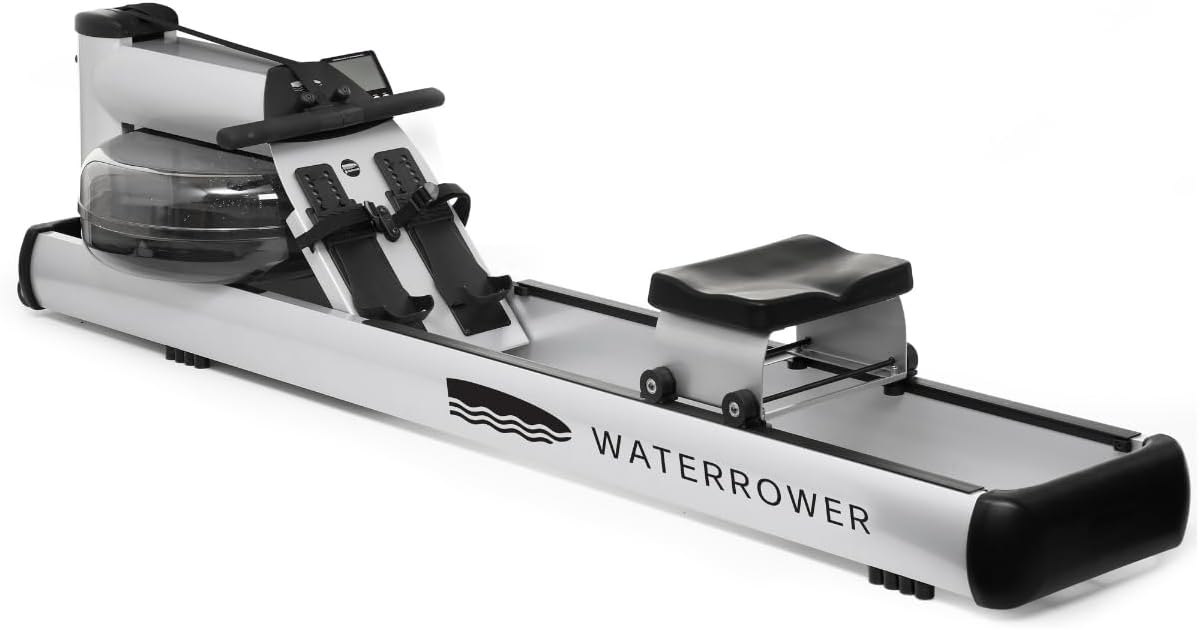
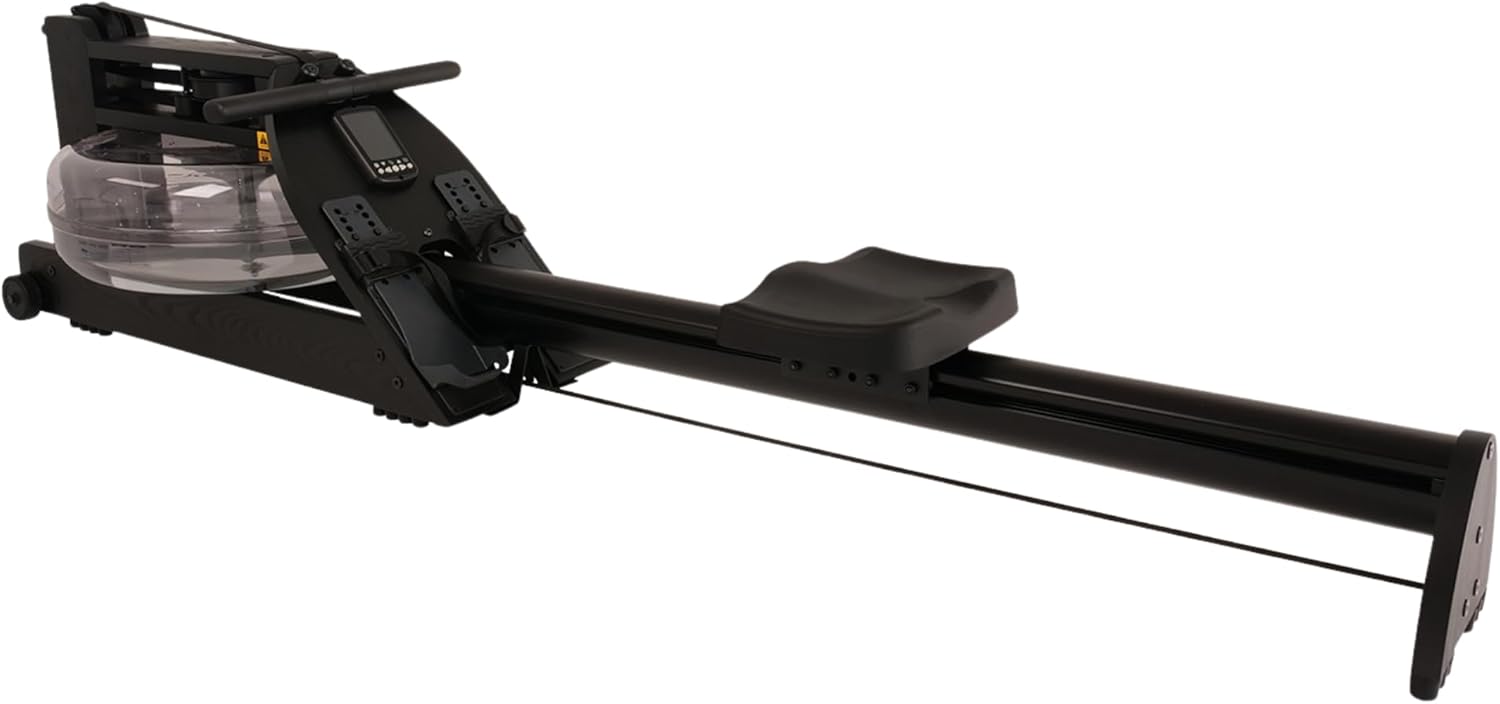
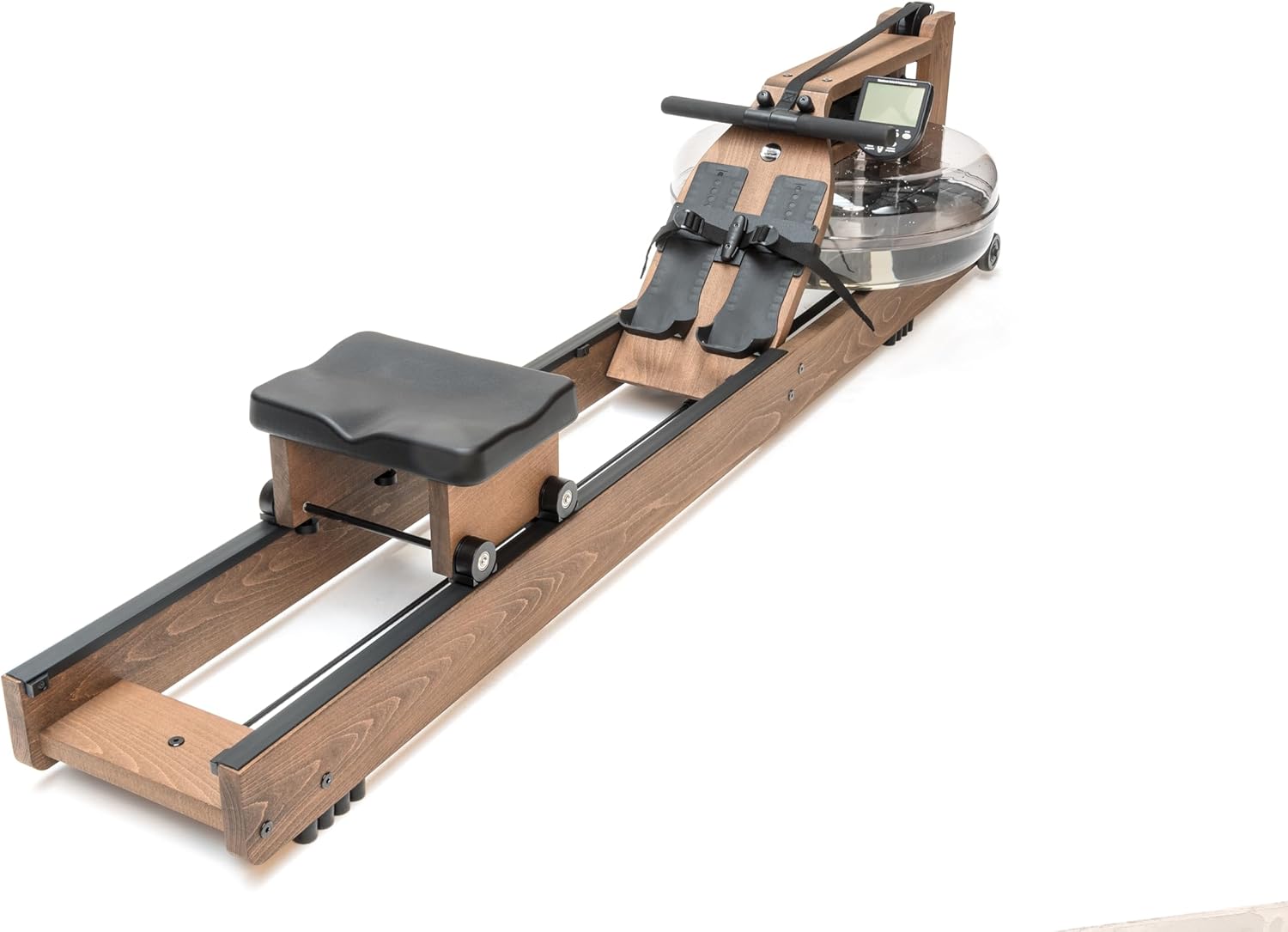
Water resistance rowers use a water tank to create resistance, producing a smooth stroke that closely resembles real rowing on water. Many users appreciate the natural feel and sound of water resistance, which can enhance immersion and motivation. Water rowers are often visually appealing and designed to blend into home spaces, but they may require more maintenance and tend to occupy more floor space than compact models.
Hydraulic resistance rowers are typically smaller and more affordable, using pistons to generate resistance. These machines are often chosen for light use, rehabilitation, or limited spaces. While they offer basic functionality, hydraulic rowers generally provide a less consistent stroke and may not be suitable for high-intensity or long-term training. Comparing resistance systems helps ensure the rowing machine aligns with your expectations and workout style.
Frame design and storage options also play a role when comparing rowing machines. Many home rowers are designed to fold or store vertically, making them easier to fit into apartments or smaller rooms. Heavier, gym-style rowers prioritize stability and durability over portability, offering a more solid feel during intense workouts. Seat comfort, rail length, and footrest adjustability are additional factors that affect overall usability and comfort.
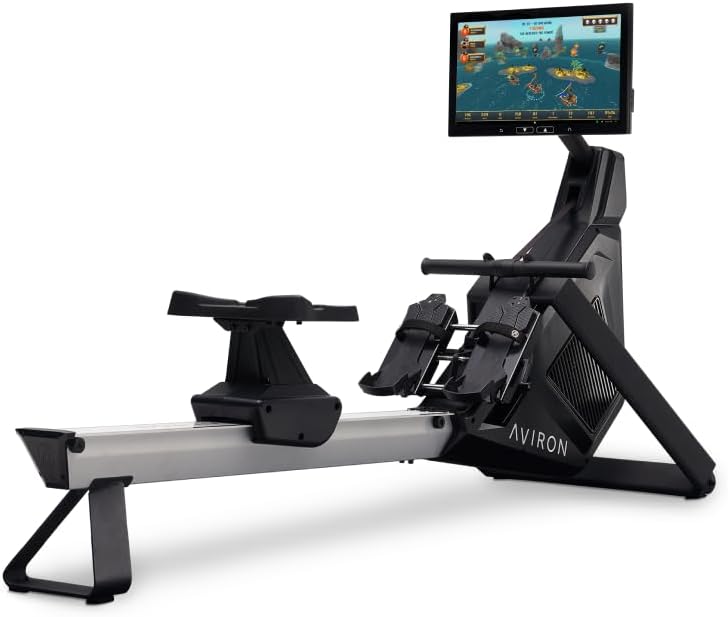
Performance monitoring and technology features vary widely between models. Some rowing machines include basic LCD displays that track time, distance, strokes per minute, and calories. Others offer advanced consoles, Bluetooth connectivity, and compatibility with training apps or heart-rate monitors. These features can add structure and motivation to workouts, especially for users who enjoy data-driven training or guided programs. When comparing rowers, it’s important to weigh technology features against reliability and ease of use.
Rowing machines are often valued for their low-impact nature. The rowing motion places minimal stress on joints while still delivering a challenging workout, making rowers suitable for users of different fitness levels. Proper technique is important to maximize benefits and reduce the risk of strain, so users should consider machines that support smooth, consistent motion and proper body positioning.
Price ranges for rowing machines vary depending on resistance type, build quality, and included features. Entry-level models may suit beginners or occasional use, while mid-range rowers often balance performance and affordability for regular training. High-end rowing machines typically emphasize durability, advanced tracking, and a more realistic rowing experience. Comparing new, used, and refurbished options can also help identify better value.
This page organizes rowing machine options into clear product comparisons so you can browse models side by side. Each product page highlights key characteristics, typical pricing, and intended use cases, helping you understand how different rowers compare. Instead of navigating multiple retailer listings, you can explore rowing machines in one place and move toward a confident purchase decision.
As Versaly continues to expand, rowing machine coverage will grow to include more models, deeper comparisons, and improved navigation between similar products. Start by browsing the rowing machine listings below to explore available options and compare models that fit your training style, space, and budget.