
Treadmills For Home & Commercial Use:
Treadmills are one of the most popular and versatile pieces of fitness equipment, used by beginners, runners, and serious training athletes alike.


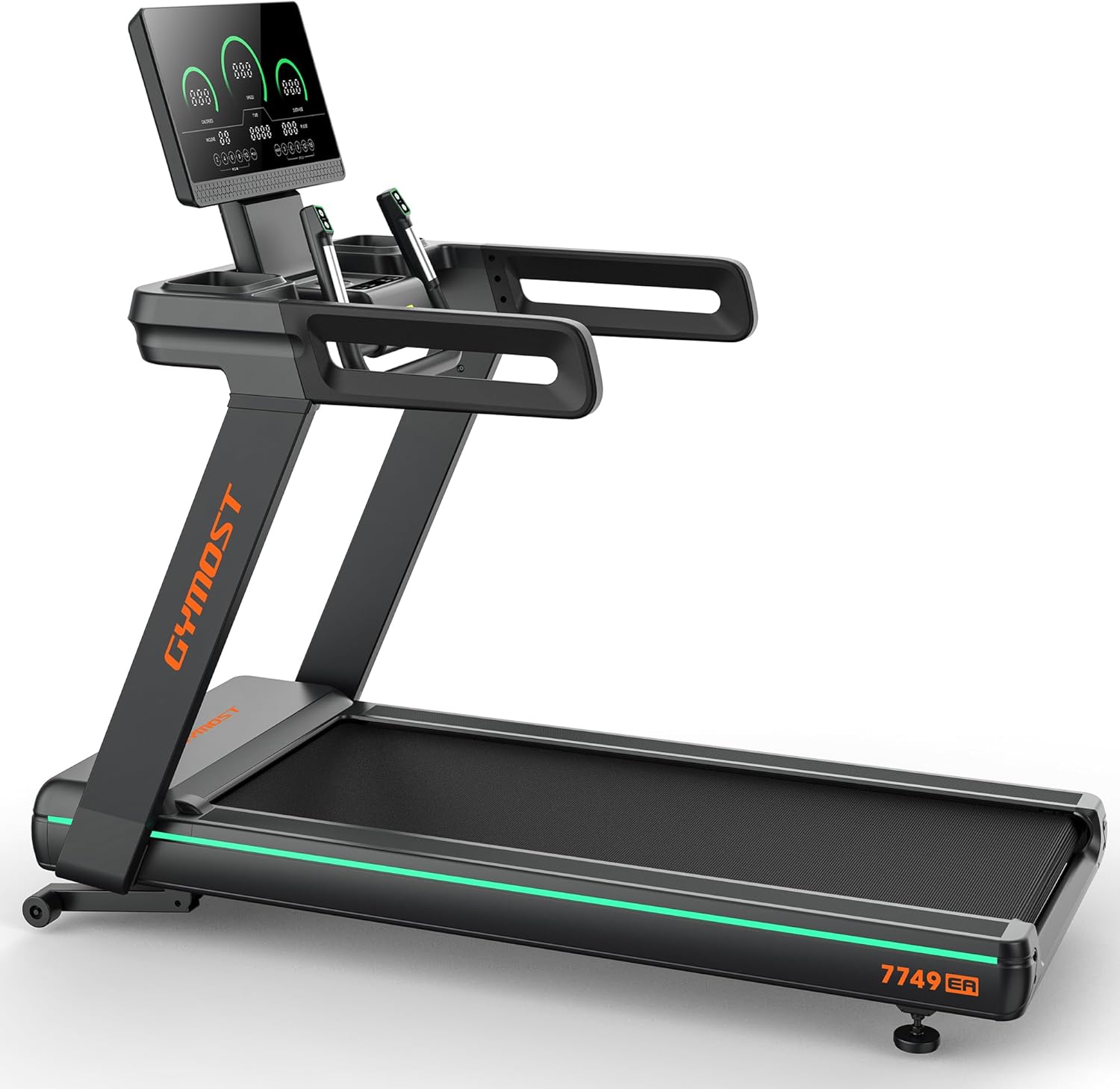


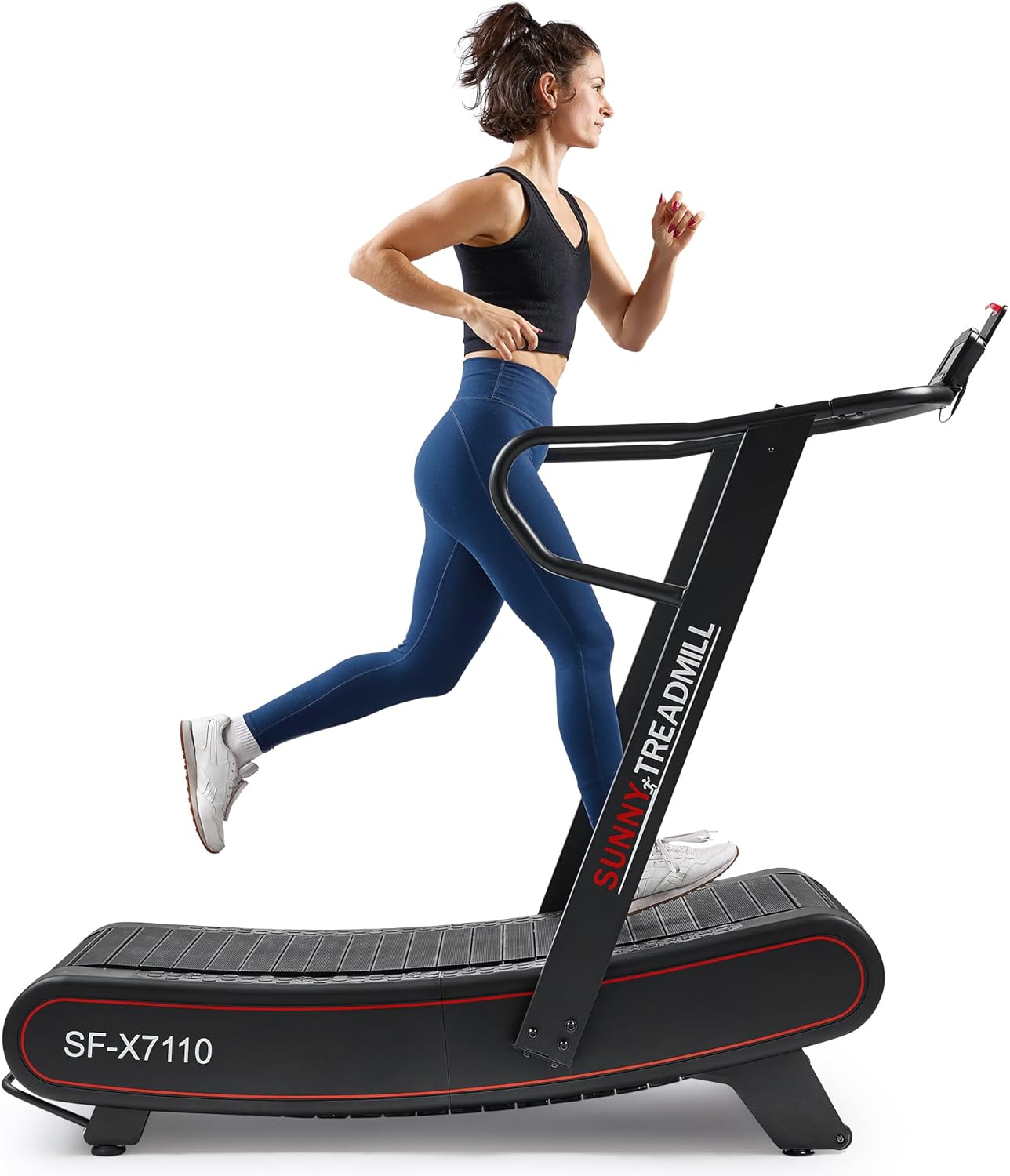
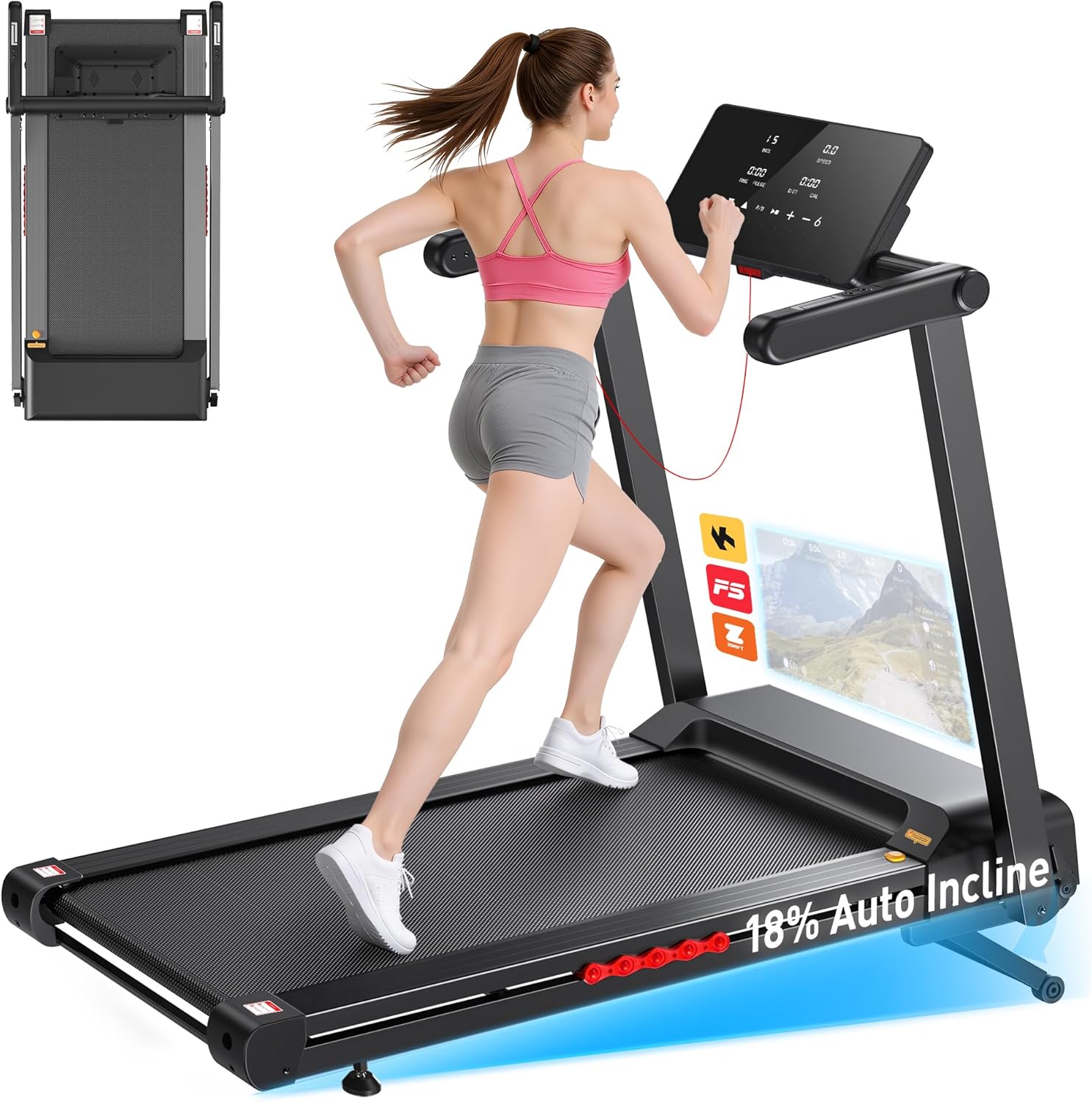

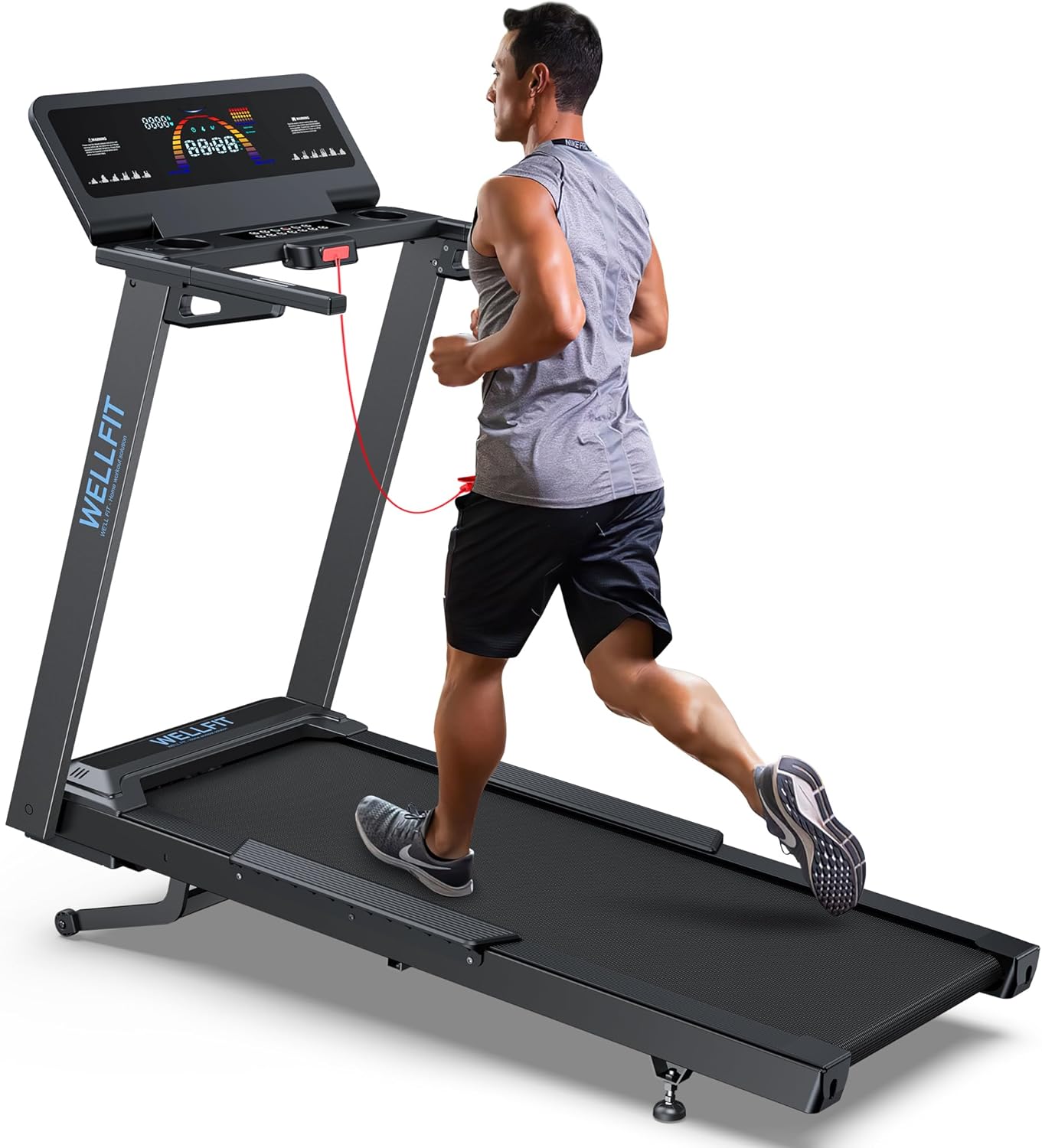
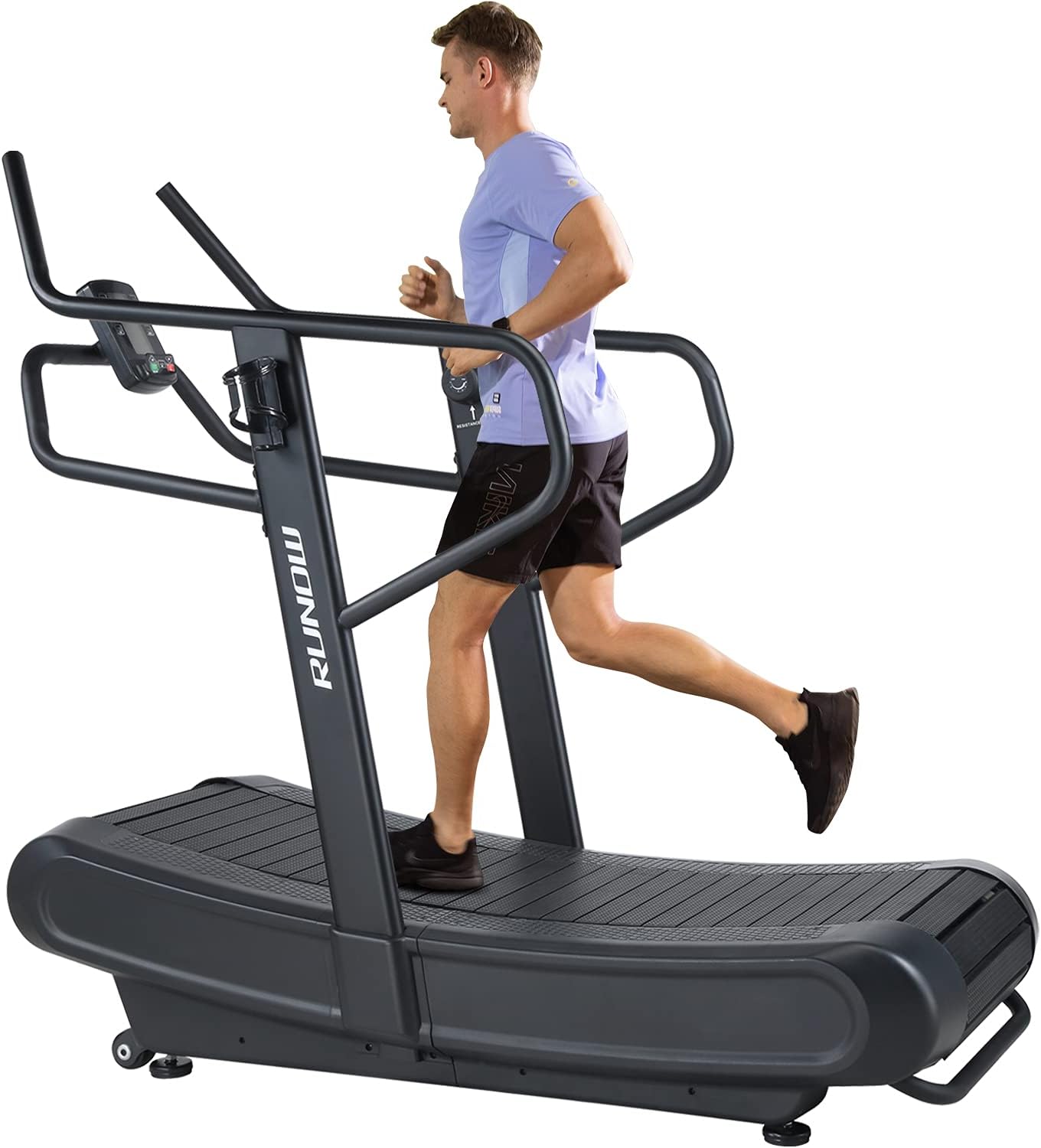


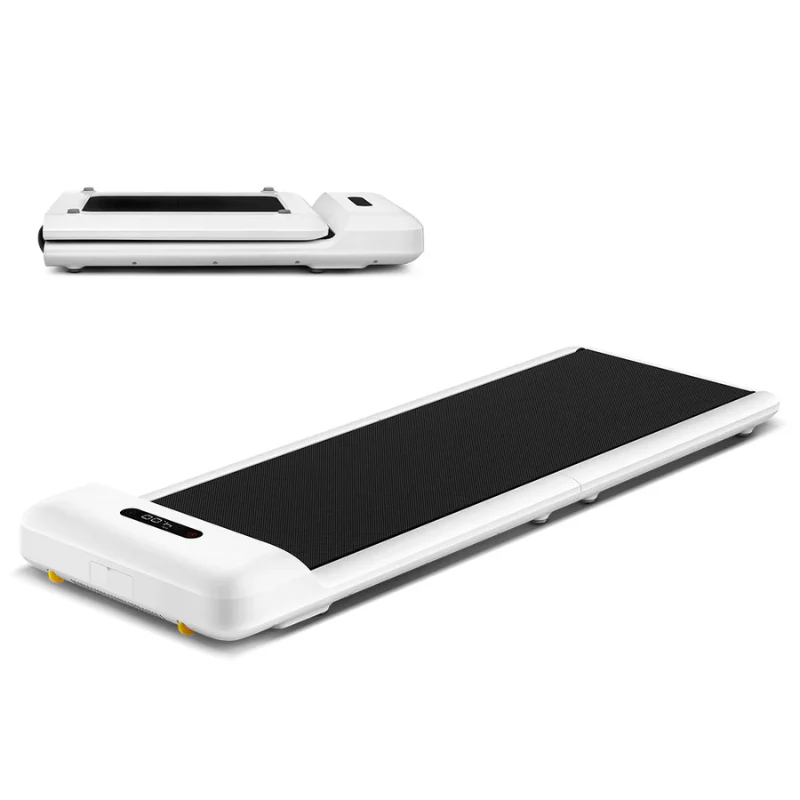
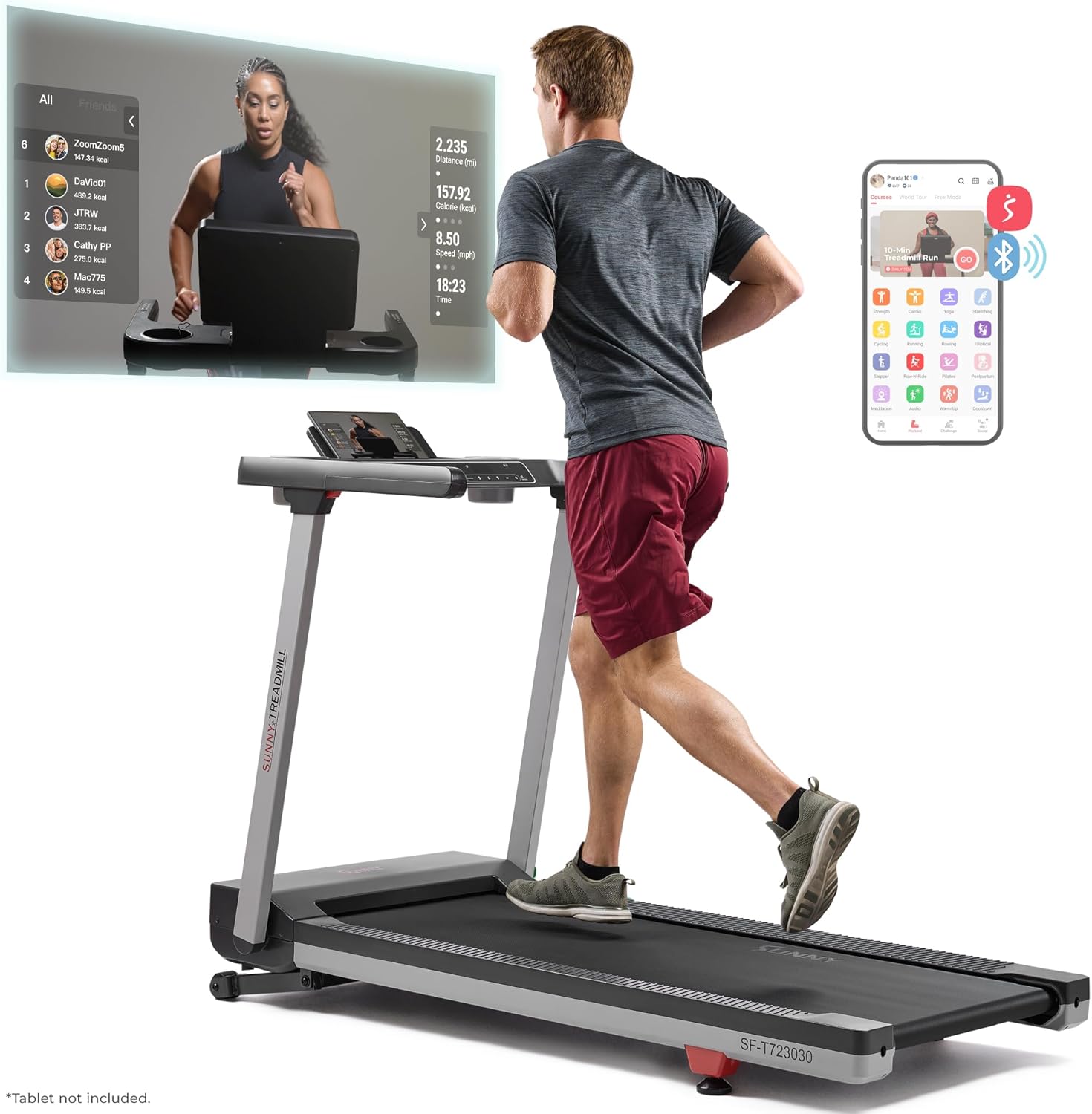
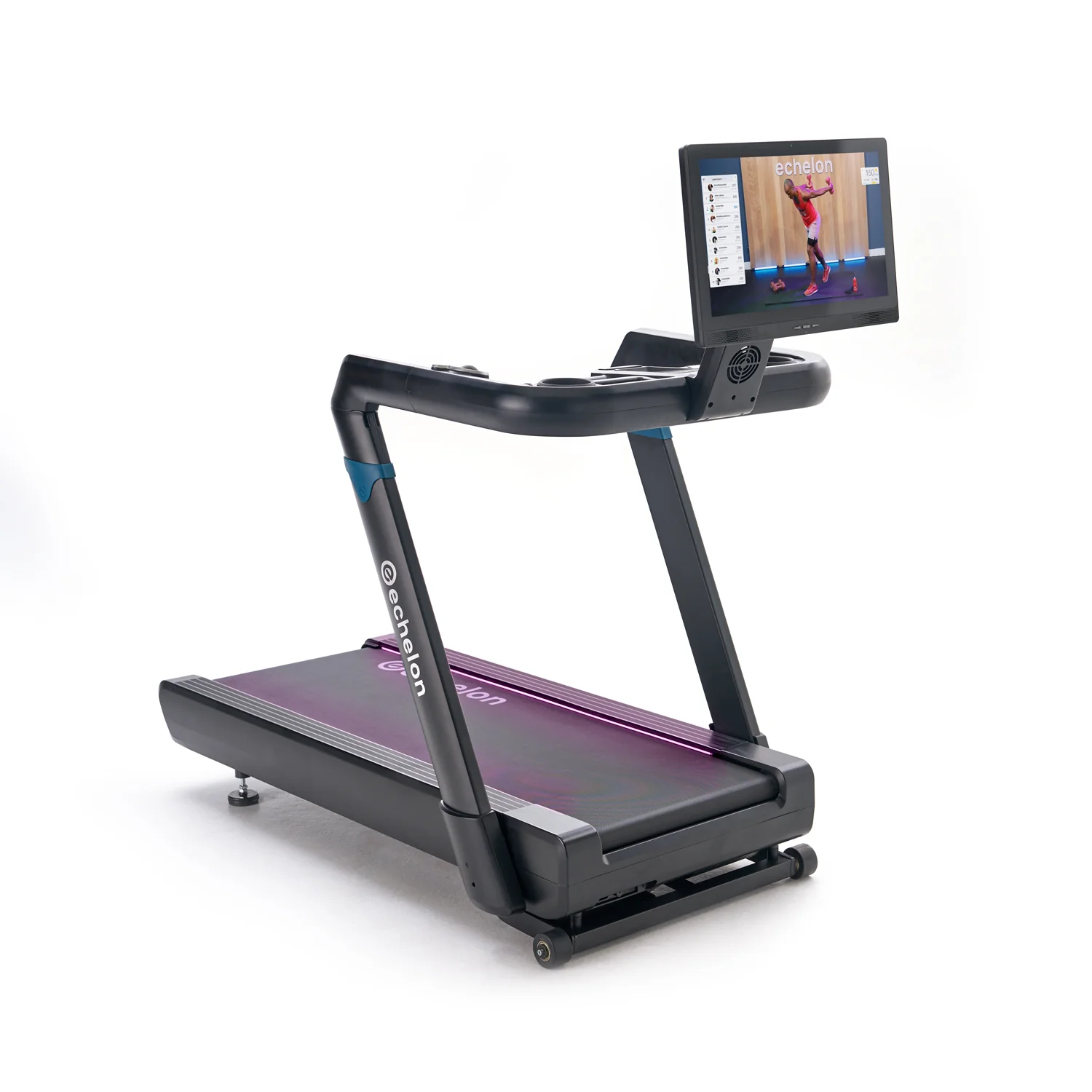
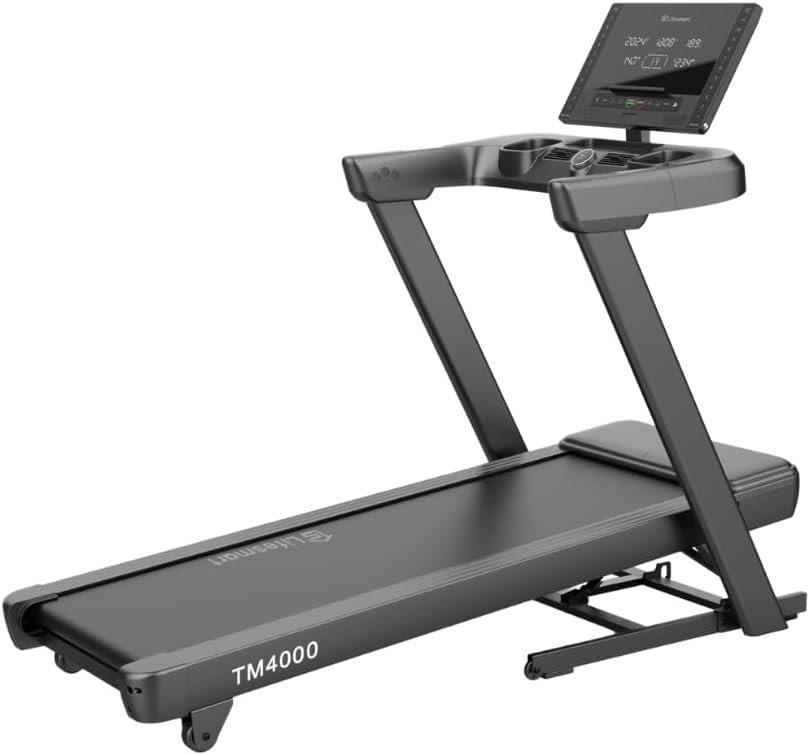


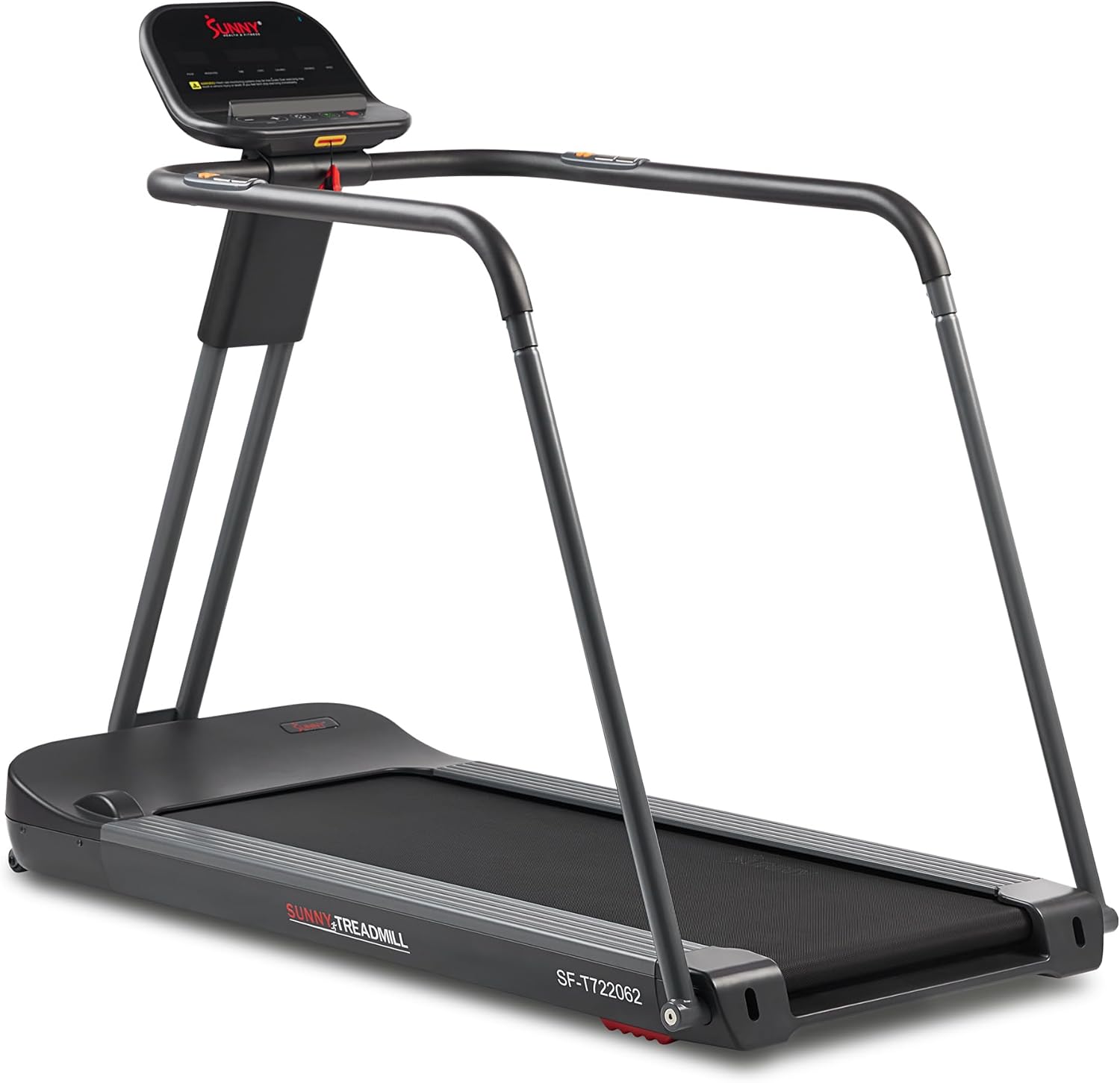


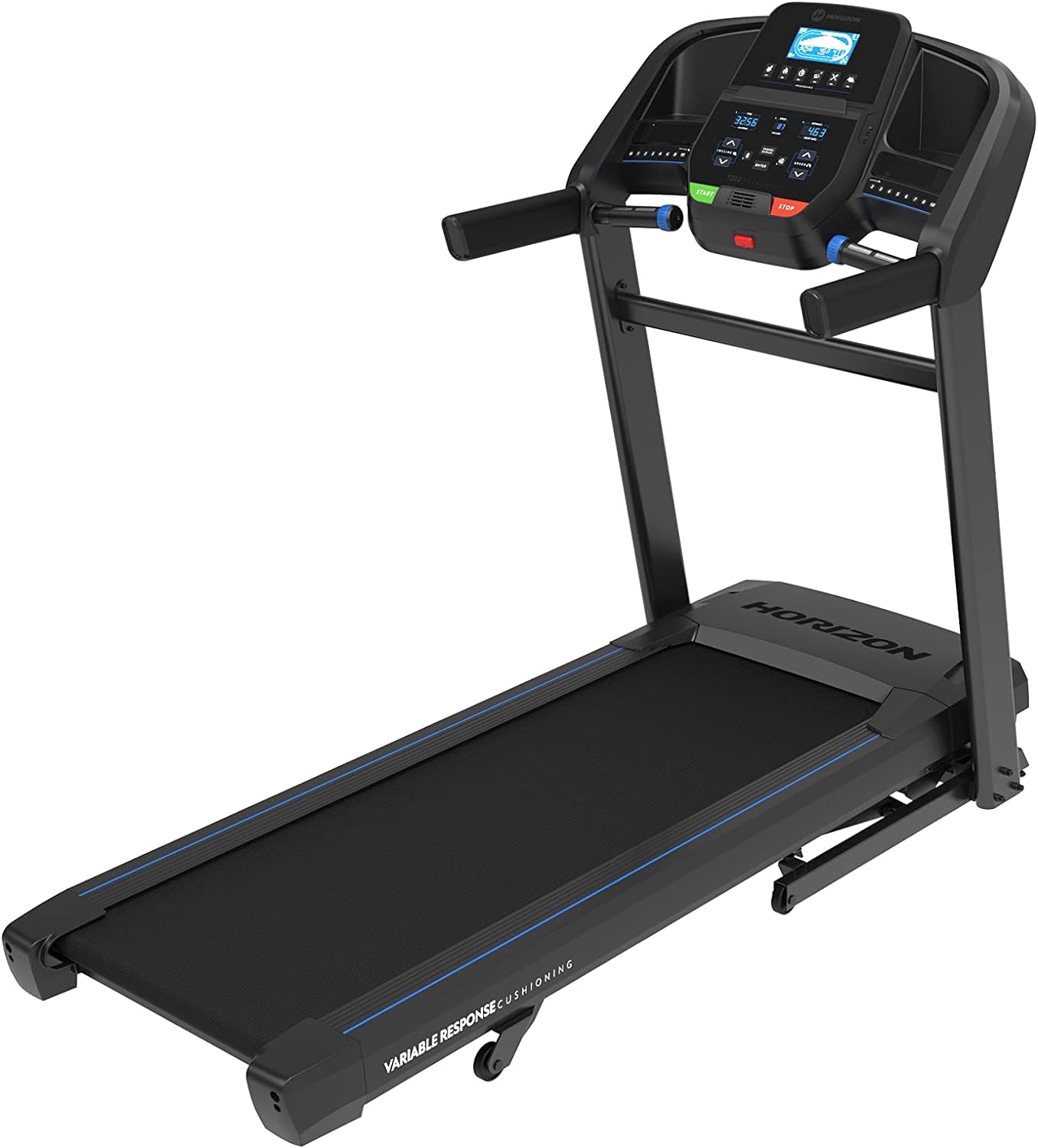

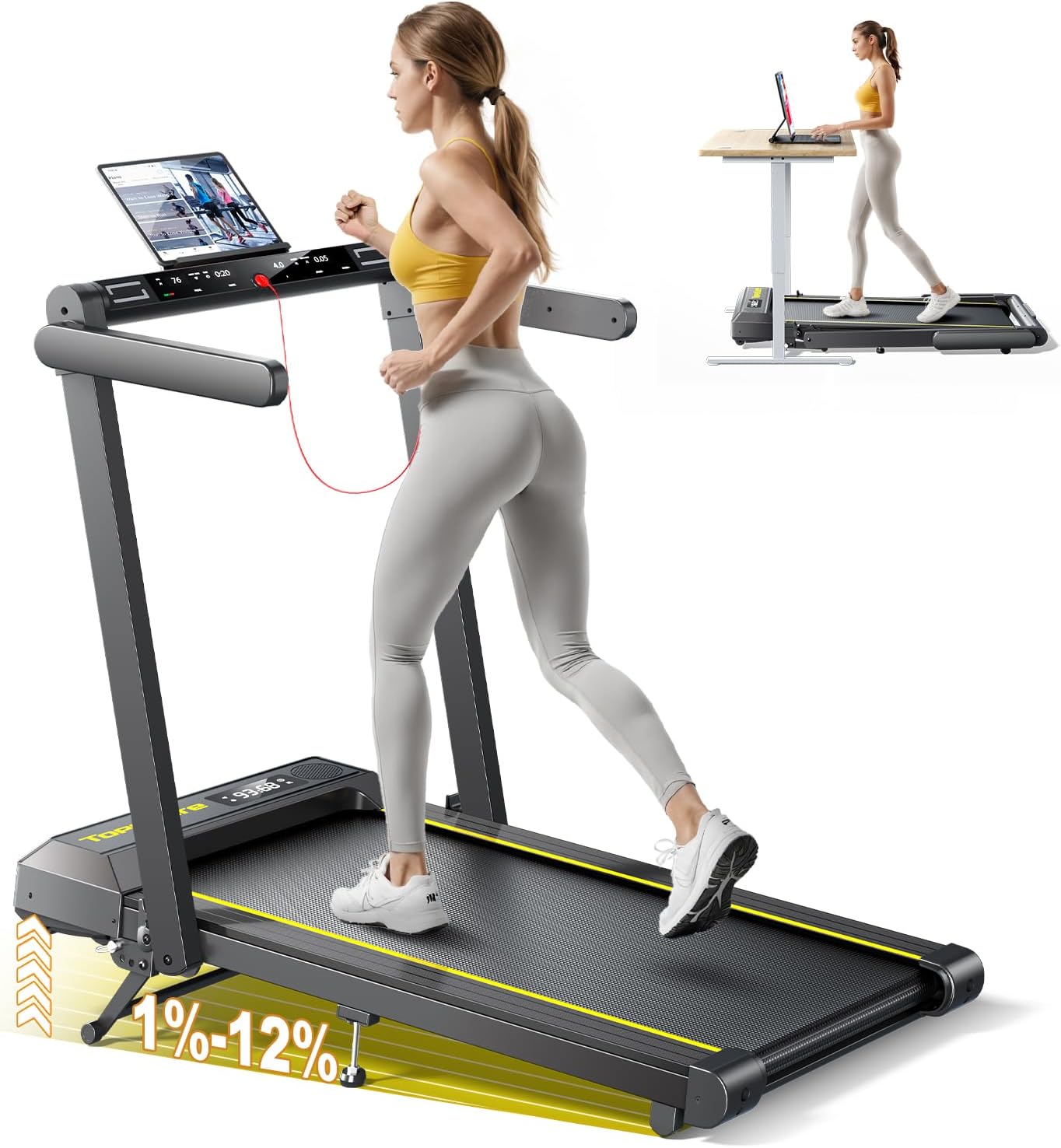

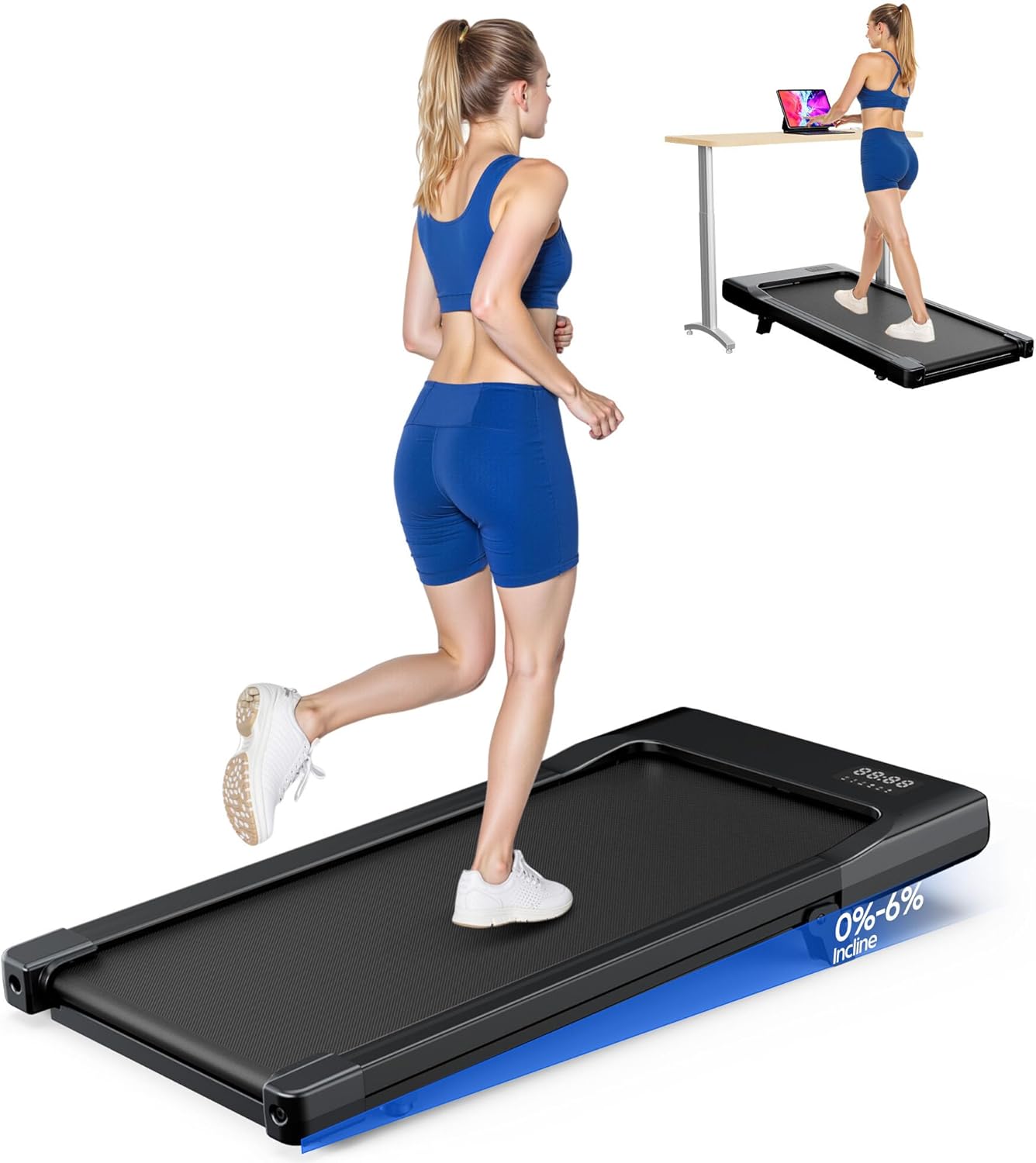
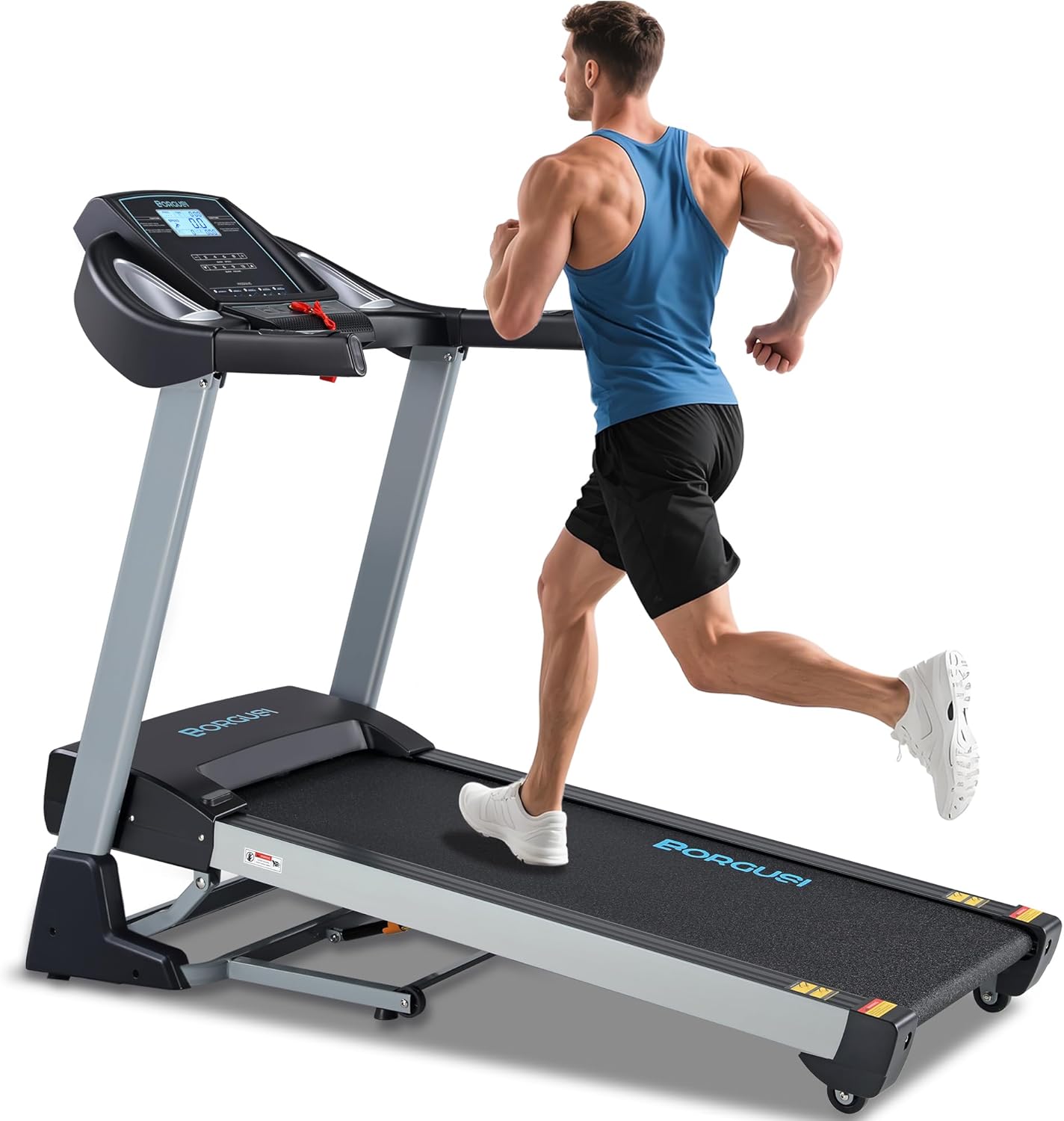


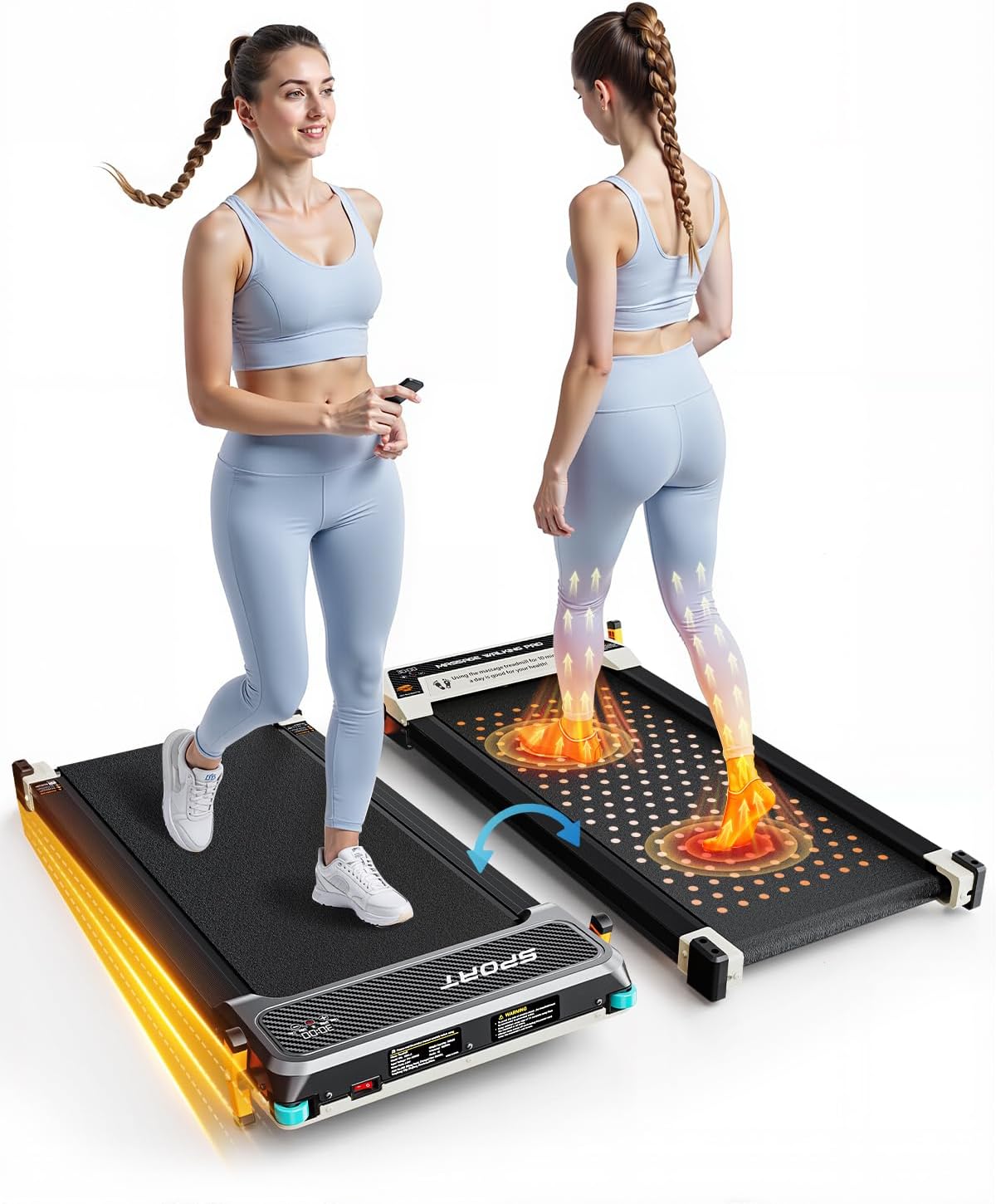

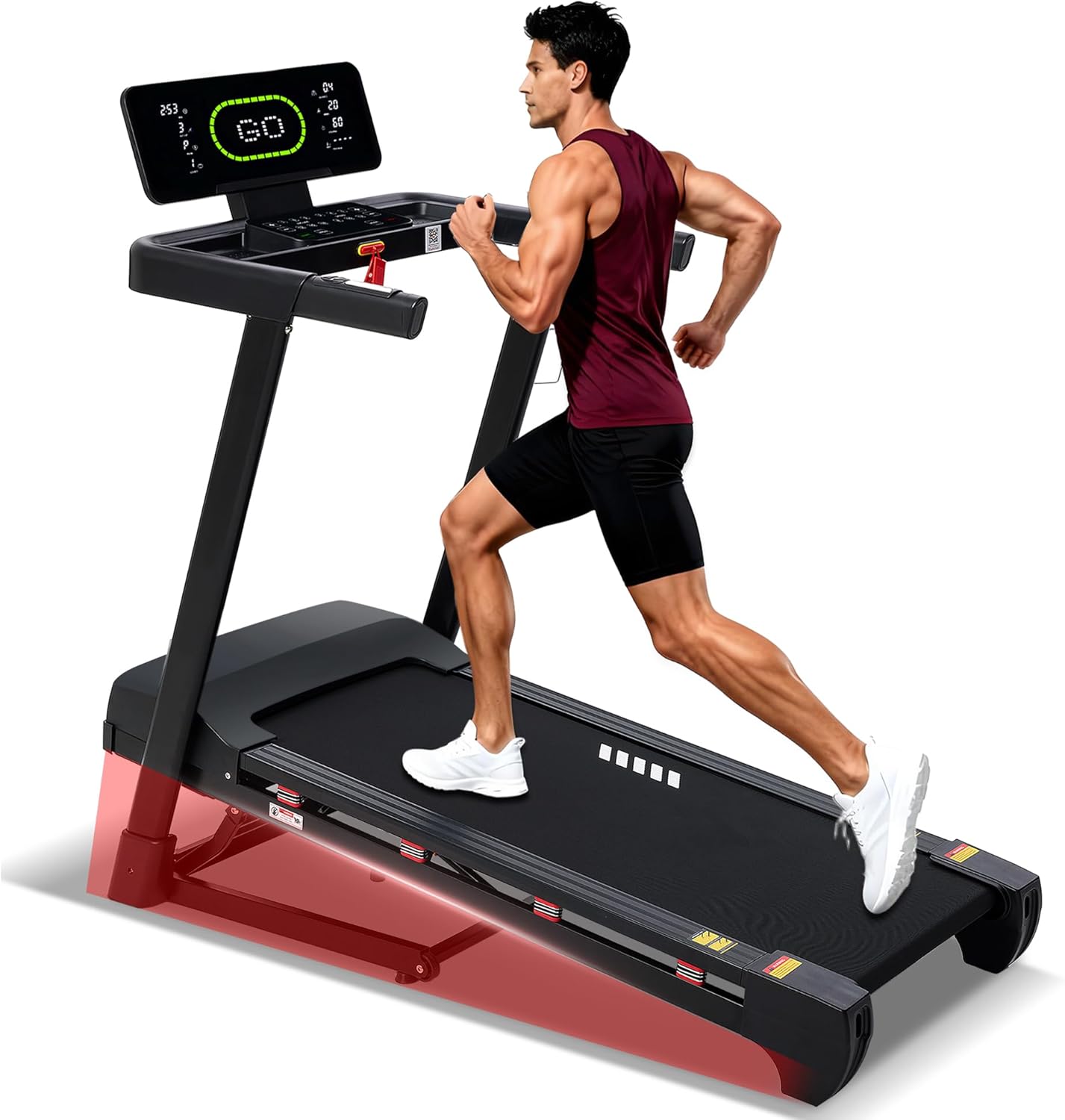


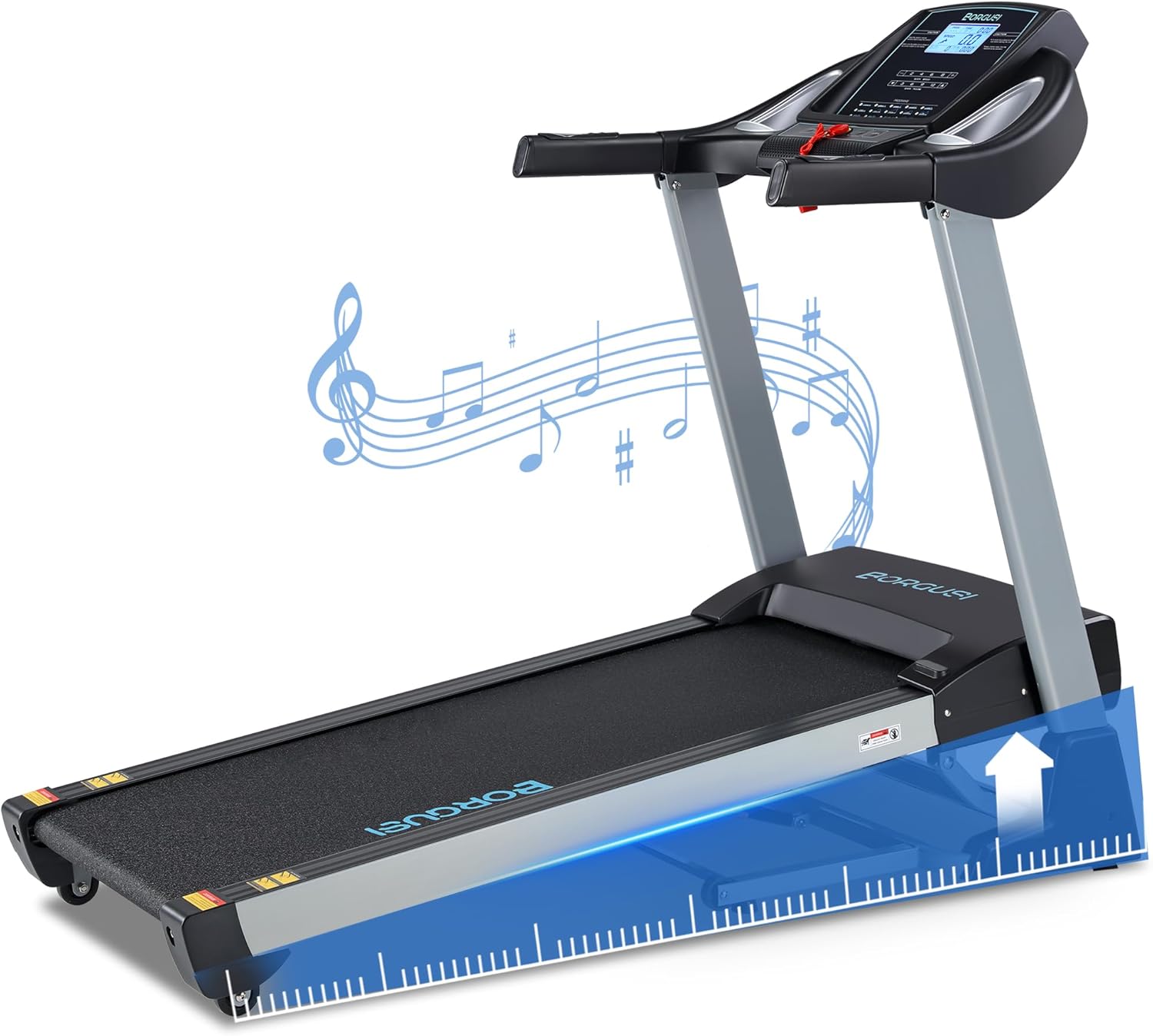


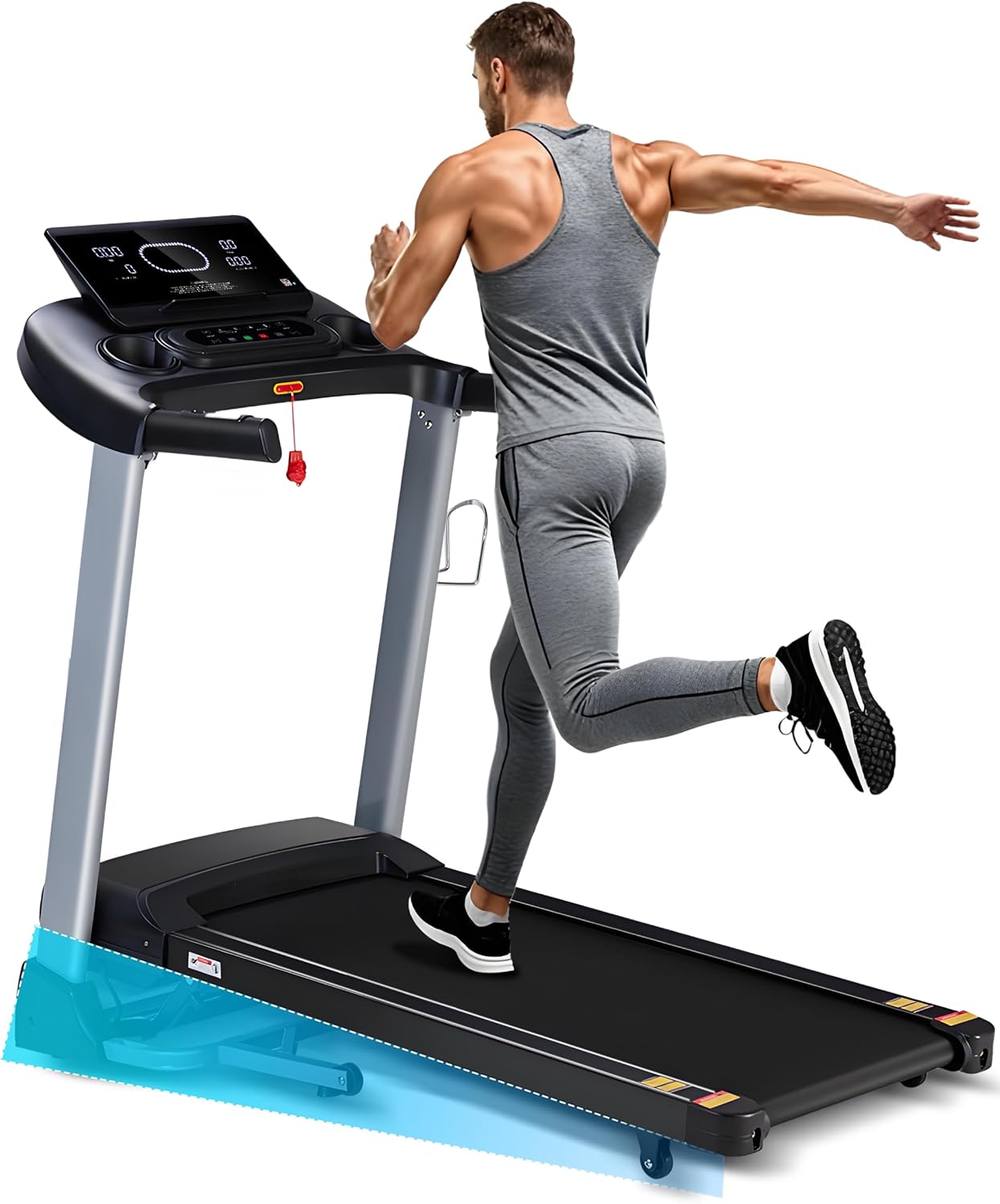
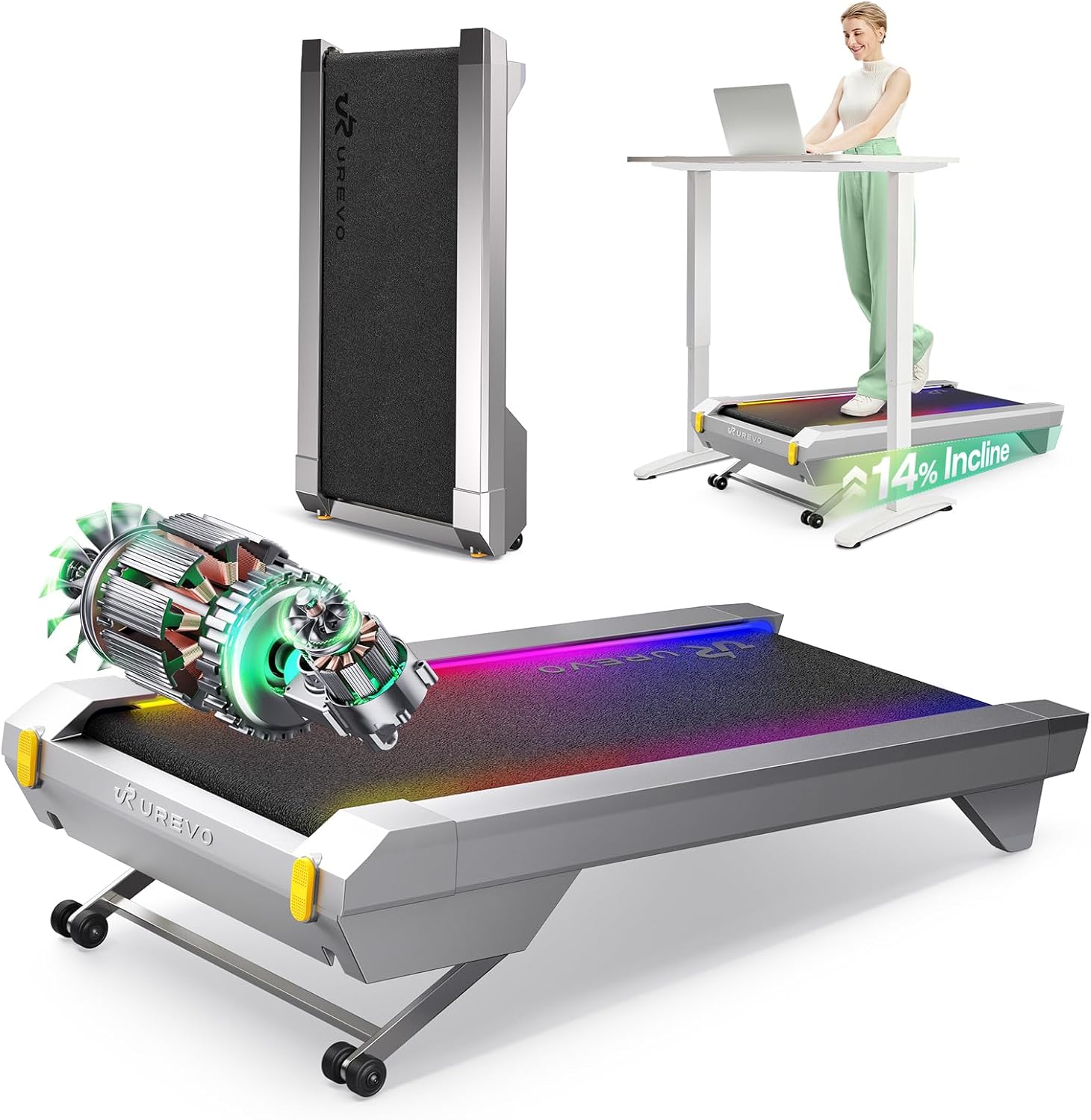
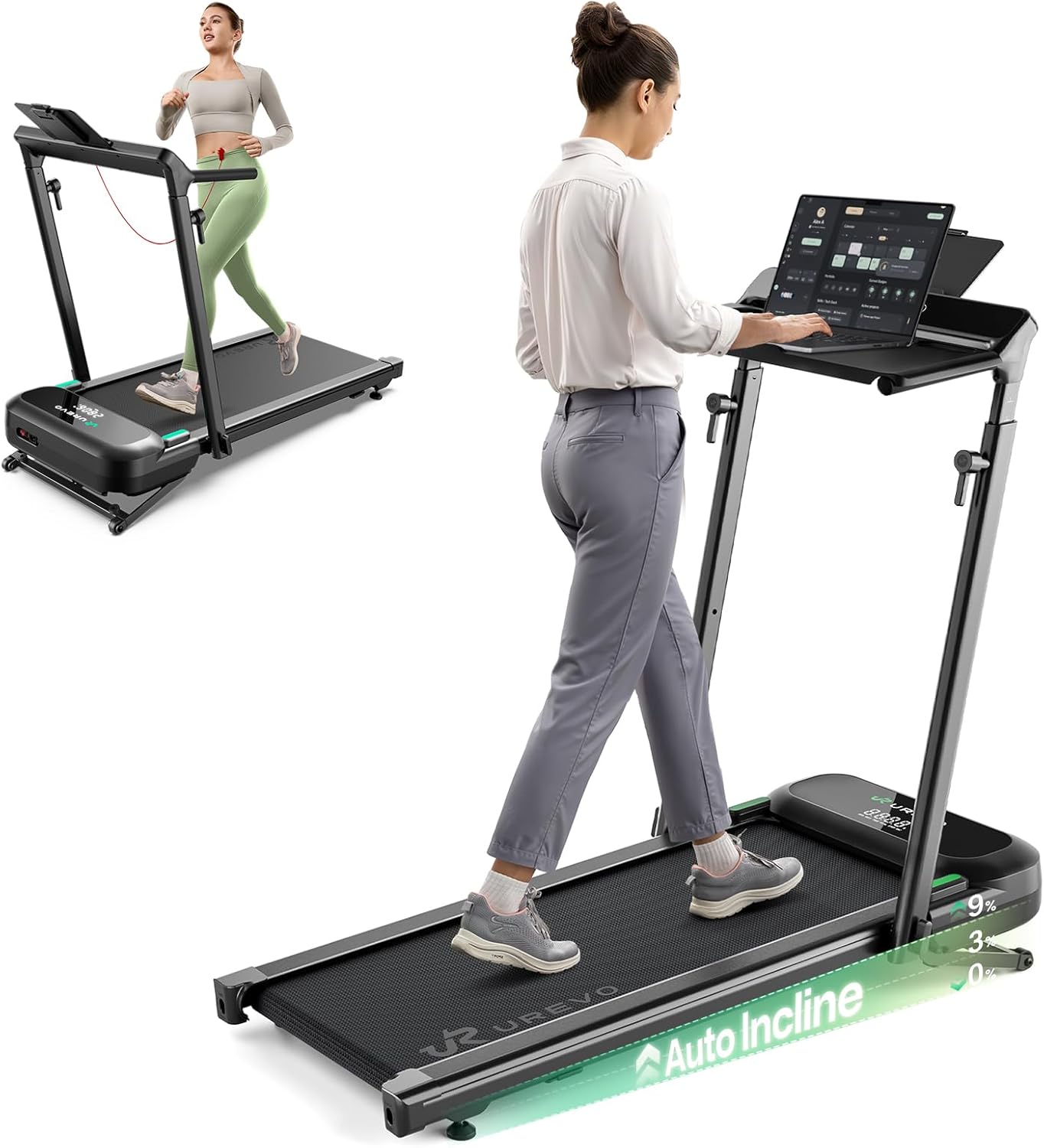

Whether you’re building a home gym, upgrading an older machine, or comparing commercial-grade options, choosing the right treadmill can make a significant difference in comfort, durability, and long-term value. This page helps you compare treadmills across brands, price ranges, and use cases so you can make a more informed decision before buying.
The treadmill market is crowded with options that often look similar at first glance. However, differences in motor power, running surface, cushioning systems, incline capabilities, and overall build quality can greatly affect performance and longevity. Some treadmills are designed for light walking and occasional jogging, while others are built to handle high-intensity training, long runs, or multiple users in shared environments. Understanding these differences is essential when comparing models.
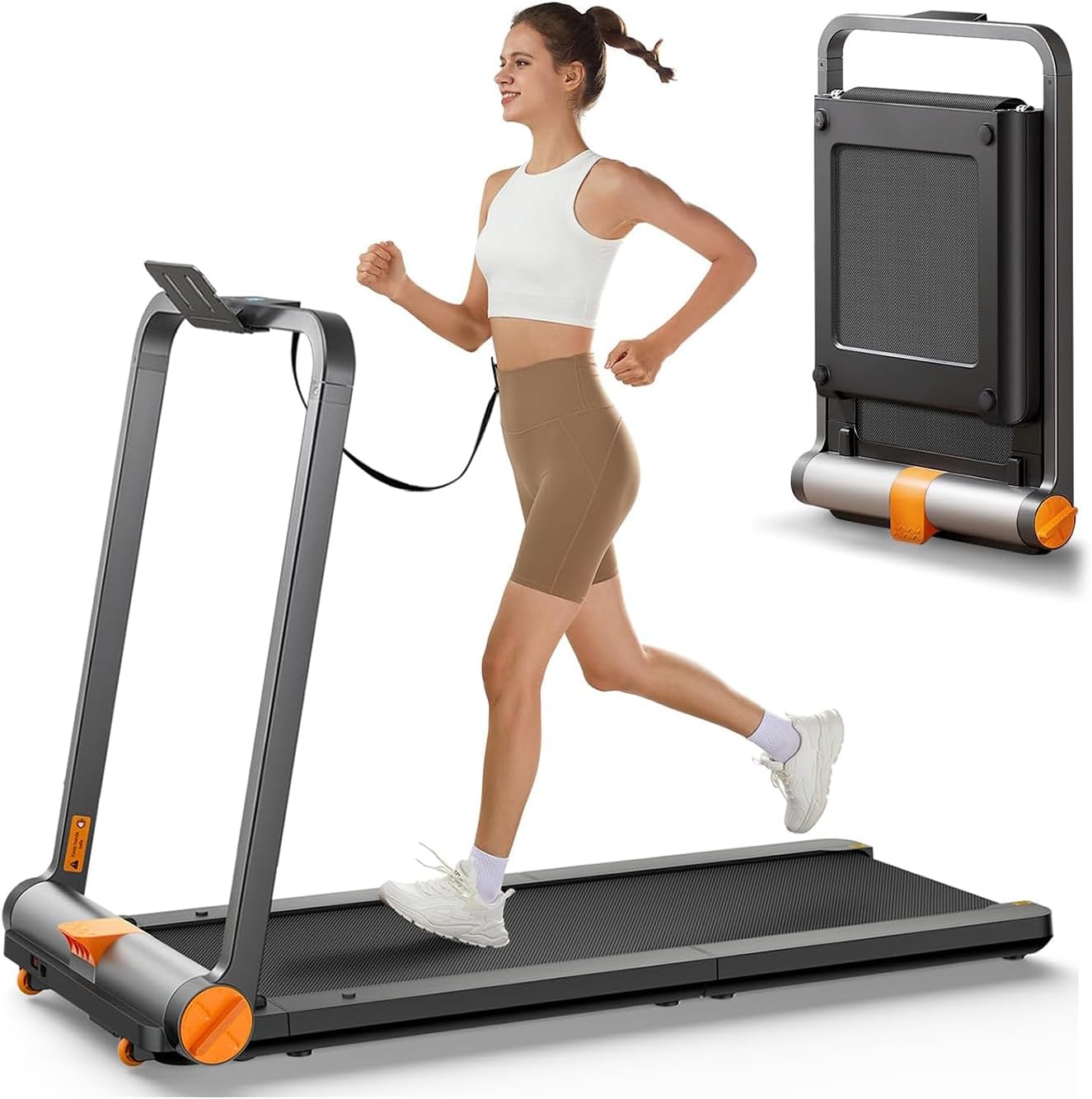
Home treadmills are typically designed to balance performance with space efficiency. Many include folding frames, transport wheels, and quieter motors that suit apartments or spare rooms. These models often focus on convenience, offering features like preset workouts, touchscreen displays, and app compatibility for guided training. While they may not match the durability of commercial machines, high-quality home treadmills can still deliver a smooth and reliable running experience when chosen correctly.
Commercial and light-commercial treadmills are built for heavier use. They usually feature stronger motors, thicker frames, wider belts, and more advanced cooling systems. These treadmills are often found in gyms, studios, and training facilities, but some users choose them for home use when durability and performance are top priorities. Because of their higher build quality, commercial treadmills typically come with higher price tags and require more space, but they can be a better long-term investment for serious runners.
Motor power is one of the most important factors when comparing treadmills. Continuous horsepower (CHP) gives a better indication of sustained performance than peak horsepower. Walkers and casual joggers may be satisfied with lower CHP ratings, while runners and heavier users generally benefit from stronger motors that maintain consistent speed under load. A more powerful motor also tends to run cooler and last longer over time.
Running surface and cushioning also play a major role in comfort and injury prevention. Larger decks provide more room for natural stride length, especially at higher speeds. Cushioning systems vary widely between brands, with some emphasizing impact absorption and others aiming for a firmer, road-like feel. The right balance depends on your training preferences, joint sensitivity, and running style.
Incline and speed ranges further differentiate treadmill models. Incline functionality adds intensity to workouts and allows users to simulate hills, which can improve cardiovascular fitness and muscle engagement. Some treadmills also offer decline settings for downhill training. Maximum speed is another consideration, particularly for interval training or sprint workouts. Comparing these specifications helps ensure the treadmill matches your fitness goals.
Technology features are increasingly common in modern treadmills. Touchscreens, Bluetooth connectivity, heart-rate monitoring, and compatibility with training apps can enhance motivation and engagement. While these features are not essential for everyone, they can add value for users who enjoy structured workouts or interactive training. It’s important to weigh these extras against reliability and build quality, as advanced features should complement—not replace—solid engineering.
Price ranges for treadmills vary significantly. Entry-level models may be suitable for walking and light jogging, while mid-range treadmills often offer a balance of durability and features for regular use. High-end treadmills typically focus on performance, advanced technology, and long-term reliability. Comparing prices across retailers and considering new, used, or refurbished options can help you find better value without compromising on essential features.
This page organizes treadmill options into clear product comparisons so you can browse models side by side. Each product page highlights key specifications, typical price ranges, and positioning to help you understand how different treadmills compare. Instead of navigating multiple retailer listings, you can explore treadmill options in one place and move toward a confident purchase decision.
As Versaly continues to expand, treadmill coverage will grow to include more models, deeper comparisons, and improved navigation between similar products. For now, start by browsing the treadmill listings below to explore available options and compare models that fit your space, training style, and budget.